


Delhi Police Identifies Coordinated Disinformation Effort
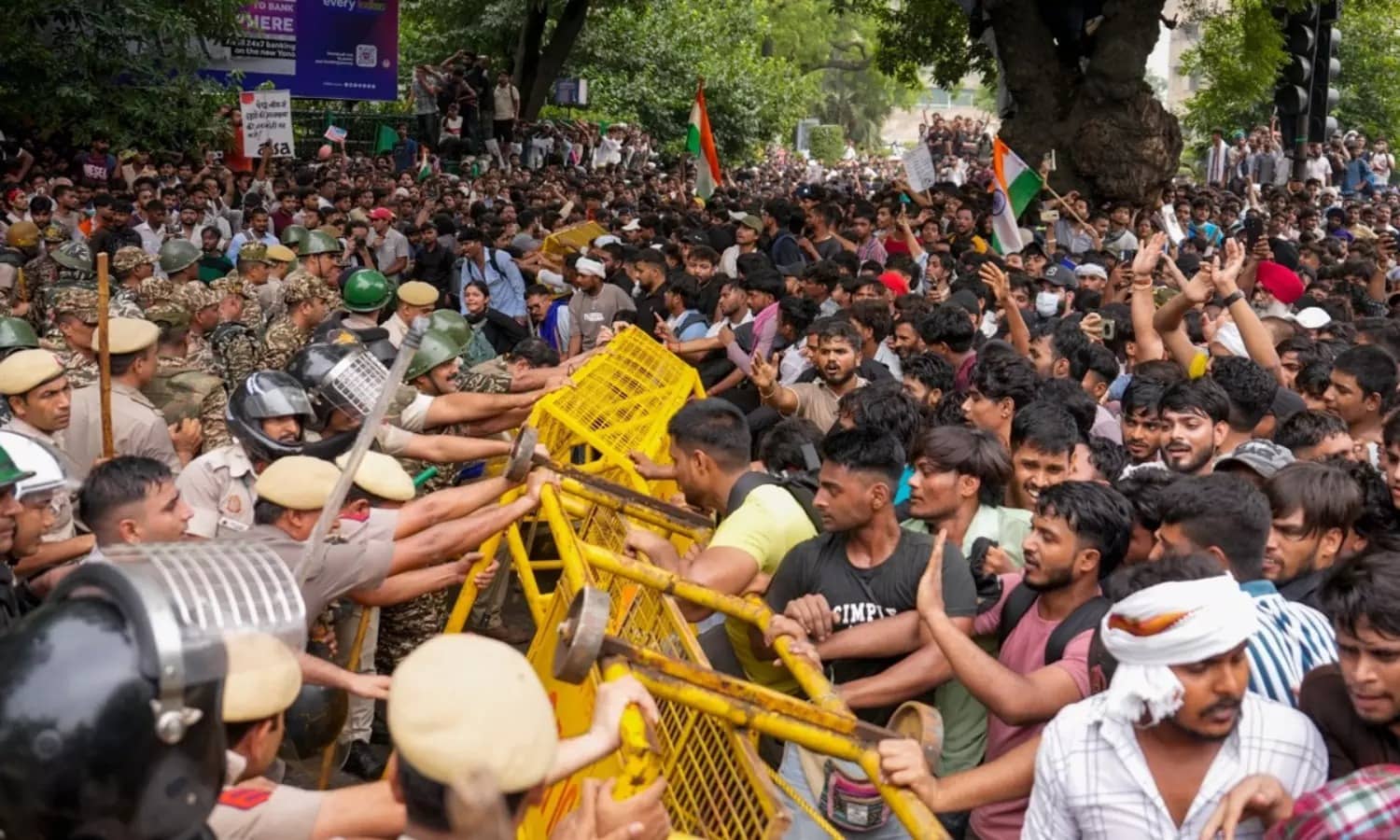
New Delhi | On Friday, July 25, 2026, officials with the Delhi Police addressed a press briefing to announce that more than 400 social media handles linked to Pakistan had been identified and subsequently blocked. The force stated these accounts were part of an alleged coordinated misinformation campaign designed to spread false information regarding the ongoing CJP protest.
According to police statements released at the time, several attempts were made by external actors to disseminate misleading content related to the demonstration on various social media platforms. Investigators noted that a significant volume of this activity occurred specifically on Instagram. The Delhi Police reported that many posts and videos shared during this period were found to be false or digitally edited.
The investigation into these accounts revealed an alleged use of artificial intelligence-generated content, deepfakes, and fabricated social media posts intended to mislead the general public. Authorities warned that such deceptive tactics posed a potential threat to law and order within the region. The police emphasized that while some shared material appeared authentic at first glance, forensic analysis indicated it was either entirely fake or significantly altered from reality.
The force explicitly stated its intention to disrupt this flow of misinformation by taking administrative action against the identified accounts. By blocking these handles, Delhi Police officials aimed to prevent further circulation of unverified narratives that could destabilize public perception of the protest situation. The decision was framed as a necessary measure to ensure that information reaching the citizenry remained accurate and grounded in verified facts.
Specific Allegations Regarding Political Claims at Jantar Mantar
During the press briefing, police officials provided specific examples of content they deemed misleading within the broader campaign. One instance cited involved a social media post attributed to a political leader. This individual had claimed that the Centre was preparing to launch a major crackdown on protesters located at Jantar Mantar.
The Delhi Police termed this assertion as misleading and directly contradicted it with official statements from law enforcement agencies, which noted that no such action had been proposed or planned by the authorities. The police clarified that while security measures are always in place for large gatherings, there was no evidence supporting the claim of an imminent crackdown.
This specific allegation highlights how false narratives can be constructed to create a sense of urgency or fear among observers who may not have access to real-time official updates. By circulating stories about impending arrests or violent dispersals without factual basis, such accounts allegedly sought to influence public sentiment and potentially incite unrest before any actual police action could occur.
Investigators noted that the persistence of these false claims required active intervention from law enforcement agencies responsible for maintaining digital order in the capital. The identification of Pakistan-based social media accounts as sources of this content suggests an organized effort originating outside Indian borders to influence domestic political discourse surrounding the CJP movement.
Calls for Public Verification and Caution
In response to the proliferation of false information, Delhi Police officials issued a direct appeal to the public. They urged citizens to verify the authenticity of posts, videos, and photographs before believing or sharing them on social media platforms. This recommendation was presented as a critical step in protecting individuals from being misled by manipulated imagery or fabricated text.
The police explained that without proper verification mechanisms, users risk amplifying misinformation simply through engagement with content they have not independently confirmed. By encouraging skepticism and fact-checking prior to sharing, authorities hope to reduce the velocity at which false stories spread across digital networks.
Officials noted that during the past several weeks of protests, a large number of posts and videos were shared online regarding the demonstrations at Jantar Mantar. While some content accurately reflected events on the ground, others contained distortions or entirely fabricated elements designed to skew public understanding of police actions and protester conduct.
The investigation found that several Pakistan-based social media accounts had been instrumental in distributing this misleading material. The blocking of these 400 handles represents a targeted response aimed at removing specific vectors of disinformation from the ecosystem. However, law enforcement agencies acknowledged that digital misinformation can evolve rapidly, requiring continuous monitoring and adaptation of counter-narrative strategies.
As the CJP protest continues to draw significant attention, the role of social media platforms in shaping public opinion remains a focal point for discussion among authorities and civil society groups alike. The Delhi Police maintain their commitment to ensuring that information available to the public is reliable, while simultaneously respecting freedom of expression within legal boundaries.
The force reiterated its stance that law enforcement agencies will continue to investigate sources attempting to manipulate narratives related to ongoing civic movements in India. This approach underscores a broader effort by state security apparatuses to manage digital spaces and mitigate risks associated with cross-border interference or internal destabilization attempts via social media channels.