


Government Shifts Protest Venues Amidst Escalating Detentions
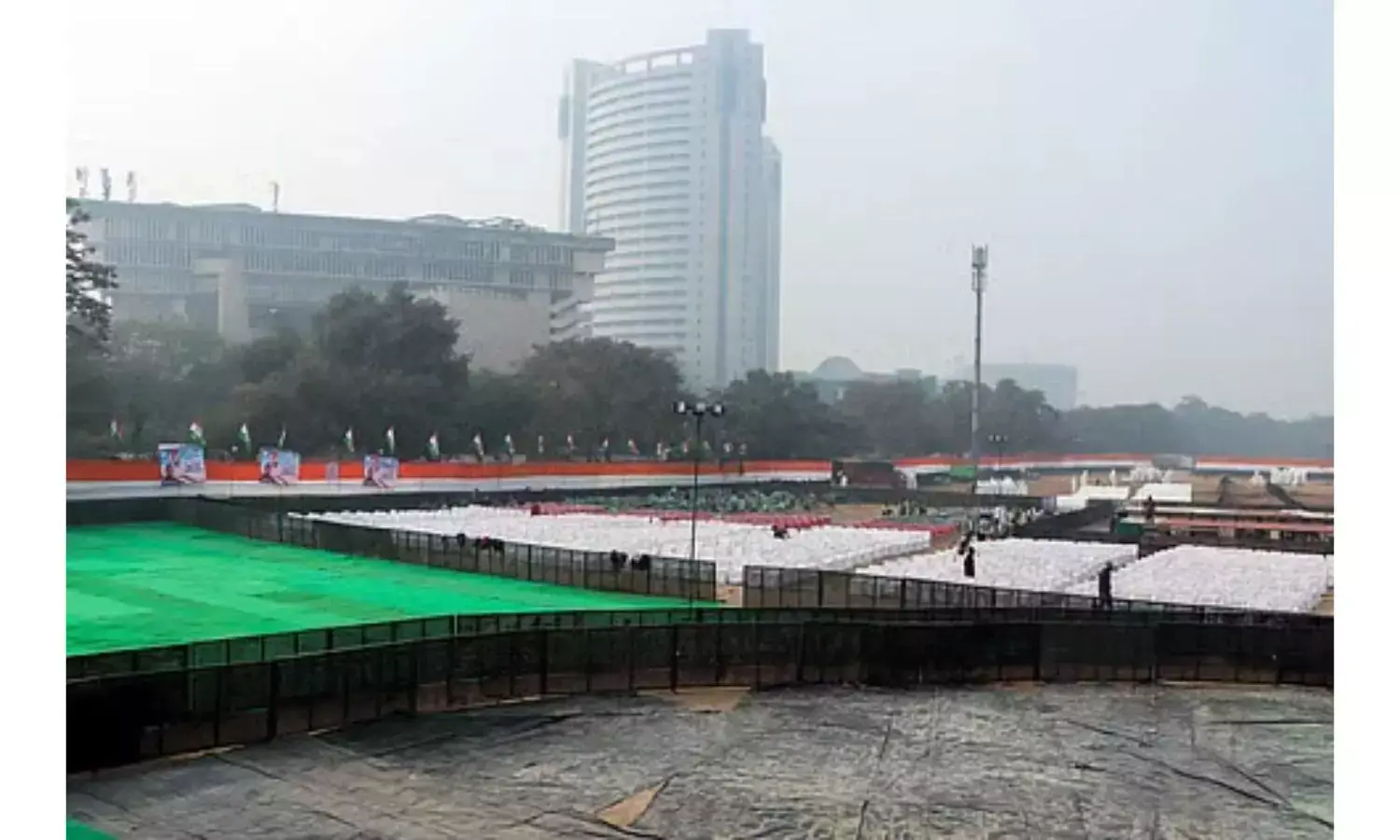
The administration in Delhi has formally denotified Jantar Mantar as an authorized protest site, a move that signals a significant tightening of restrictions on public dissent. According to reports from Asianage, the government has replaced the historic landmark with three alternative locations for demonstrators: Ramlila Maidan, Burari, and East Delhi. This administrative shift comes at a time when political tensions are high, with over 3,000 individuals detained in recent days as the Chief Justice's stir triggers a broader debate on dissent.
Jantar Mantar has long been situated close to Parliament and the corridors of power, a geographic reality that historically forced the powerful to confront public anger directly. By removing its status as a designated protest zone, authorities are altering the dynamic between demonstrators and the state, moving gatherings away from the immediate vicinity of legislative and executive institutions.
Historical Precedents of Student-Led Agitations
The current crackdown on dissent echoes previous instances where student-led movements successfully pressured the government. On July 20, a police crackdown targeted students who were demanding the resignation of former education minister Dharmendra Pradhan over irregularities in Neet examination papers. The agitation that followed this crackdown resulted in Mr. Pradhan's ouster, marking the first time in 12 years the government bowed to public anger.
This historical precedent highlights the potency of organized student protests in holding officials accountable. However, the current political landscape appears more resistant to such pressure, as evidenced by the large-scale detentions occurring now. The contrast between the successful outcome of the July agitation and the current hardline stance underscores a shift in how the administration handles public discontent.
Recent Mass Arrests Over Electoral Integrity Concerns
The scale of recent detentions is comparable to other major agitations in recent memory. On October 10, nearly 7,000 protesters were arrested or detained during an agitation demanding the resignation of Chief Election Commissioner Gyanesh Kumar over alleged irregularities in the conduct of the SIR. This event demonstrated the willingness of authorities to use mass detention as a tool to suppress protests related to electoral integrity.
The current situation, with over 3,000 detained, reflects a continued strategy of containment rather than engagement. The government's decision to relocate protest sites from Jantar Mantar to peripheral areas like Burari and East Delhi suggests an effort to minimize the visibility of dissent near key political centers. This approach stands in stark contrast to the earlier instance where public anger led to a ministerial resignation, indicating a more rigid stance on maintaining order over addressing grievances.
Implications for Political Dissent
The combination of venue restrictions and mass detentions raises questions about the future of political protest in Delhi. With Jantar Mantar no longer an option, demonstrators must navigate new logistical challenges to gather in significant numbers. The alternative sites, while officially sanctioned, are located further from the heart of power, potentially diluting the immediate impact of their messages on policymakers.
As the debate over dissent continues, the government's actions will likely be scrutinized for their consistency with democratic norms. The historical context of successful protests, such as the one that led to Mr. Pradhan's resignation, serves as a benchmark against which current responses are measured. The stark difference in outcomes between past and present agitations suggests a changing relationship between the state and its citizens regarding the right to protest.