


The Financial Fallout of a Councillor’s Departure
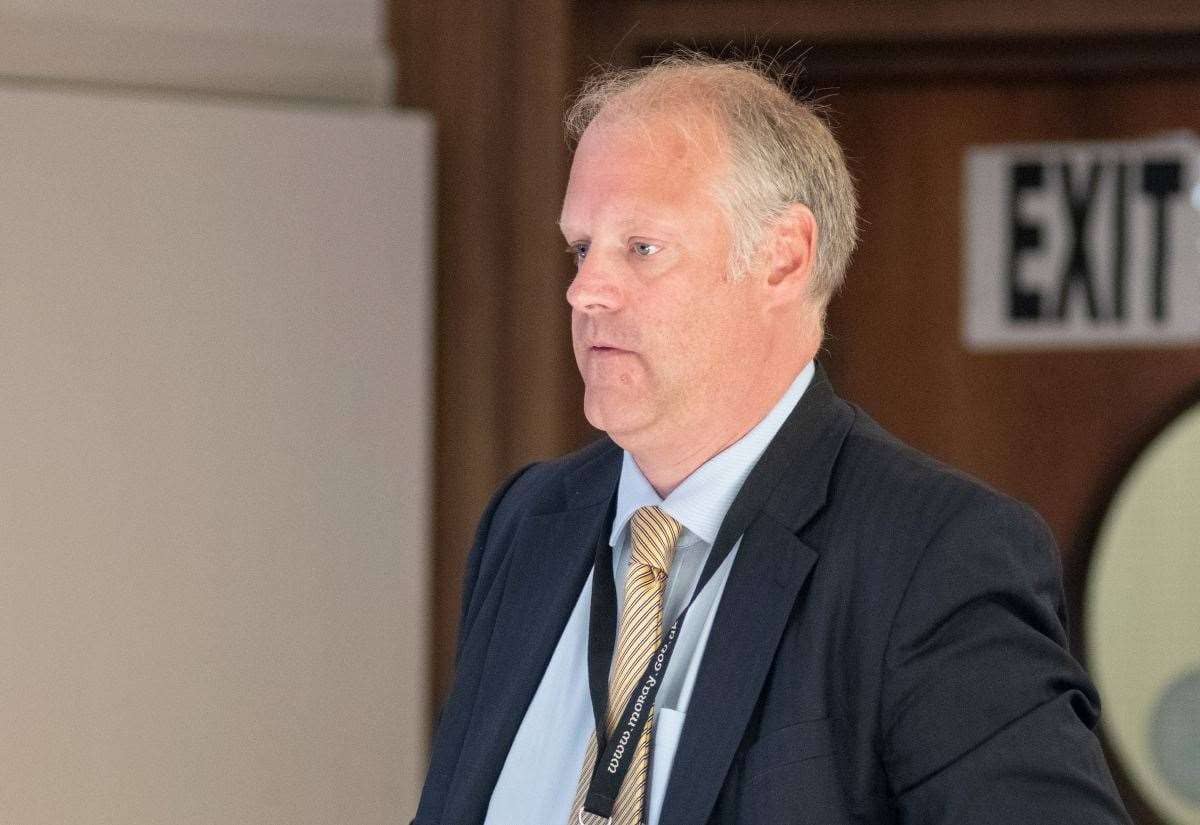
The potential resignation of Neil McLennan, a Moray councillor representing the Buckie ward, has ignited a debate over public expenditure and political accountability. According to reports from Grampian Online, if McLennan steps down within the next three weeks, the cost to taxpayers could reach up to £40,000. This figure is driven by the necessity of holding a ward by-election to fill the vacancy.
The financial implications are stark when compared to McLennan’s own remuneration. Data from the Forres Gazette indicates that a resignation submitted before November 6 would trigger a by-election with costs ranging between £35,000 and £40,000. This amount significantly exceeds his annual councillor salary of £25,982, raising questions about the efficiency of local government spending in the event of such a departure.
Relocation to Egypt Amidst Controversy
The controversy surrounding McLennan’s tenure has intensified following reports that he has moved to Cairo, Egypt. According to the Northern Scot, the Buckie councillor relocated to take up a position as deputy head at Malvern College. Crucially, this move was made without any public announcement to his constituents, leaving many in the dark about his physical absence from the region he represents.
Despite the geographical distance and the lack of prior notification, McLennan has maintained that his duties remain a priority. He stated that he is “fully committed to serving the people of Buckie and Findochty” and asserted that he “remains accessible to constituents.” However, the reality of his situation suggests otherwise; reports confirm that McLennan will continue to receive his £26,000-a-year Moray Council salary while based abroad.
Political Pressure and the November Deadline
The timing of any potential resignation is critical due to electoral regulations. Grampian Online reports that November 6 marks exactly six months until the next scheduled council elections in May 2027. Under current rules, there is no requirement for the council to hold a by-election if the resignation occurs after this date. Consequently, McLennan could theoretically remain on the payroll and retain his title without performing active duties until the next general election cycle, provided he does not resign before November 6.
This loophole has drawn sharp criticism from within the council itself. Derek Ross, a councillor for Speyside Glenlivet, is the only member to have publicly called for McLennan’s resignation. Ross argued that McLennan “should do the right thing by the people of Buckie and Moray” by stepping down and triggering the by-election process. He further criticized the current arrangement, stating, “At the moment, he is not serving these people.”
The situation highlights a complex intersection of personal career moves, public office obligations, and fiscal responsibility. As the November 6 deadline approaches, the pressure on McLennan to clarify his status and the subsequent financial impact on Moray taxpayers remain central issues in local political discourse.