


Warnings on Evangelical Turnout
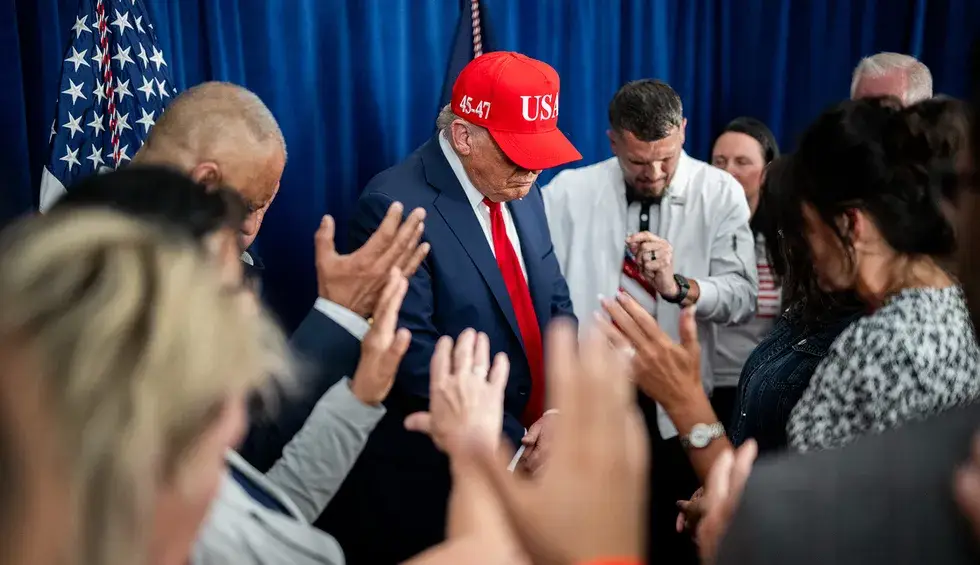
Conservative leaders are warning that the Republican Party has not done enough to mobilize White evangelical voters in the final weeks before the Nov. 3 elections, according to a CNN report released Tuesday. The concerns have struck fear within the GOP as it struggles to encourage its base to show up at the polls.
White evangelicals make up approximately 13 percent of the U.S. population but typically account for roughly 20 percent of the electorate. This demographic has historically provided strong support for GOP candidates, including President Donald Trump. About eight in 10 White evangelicals voted for Trump in the last three presidential elections.
Professor Ryan Burge, who teaches at the John C. Danforth Center on Religion and Politics at Washington University in St. Louis, stated that the evangelical vote is Trump’s strongest coalition. He noted that 38 percent of Trump’s voters were White evangelicals and emphasized that Republicans cannot win elections without this voting bloc.
Spending Priorities and Turnout Efforts
The Trump Inc. PAC and the national Republican Party spent approximately $326 million, according to MS NOW. Much of that money appears to have been directed toward television advertisements rather than "get out the vote" efforts or door-knocking campaigns.
A conservative evangelical pastor in Texas told CNN he was not aware of any party machine currently working to turn out evangelical voters. He described the assumption that these voters will automatically show up as "a dangerous assumption." Chad Connelly, former national director of faith engagement at the Republican National Committee, said he has spent two months speaking with pastors in more than 20 states and believes the party has never done enough to mobilize evangelical turnout.
Financial Pressures on Voters
North Carolina Rep. Mark Harris noted that White evangelical voters have financial obligations like buying groceries and gas, which may impact their ability or willingness to participate in the election process. These economic realities add a layer of complexity to the party's mobilization efforts, as voters face tangible costs associated with daily life.
Key States and Campaign Dynamics
The vote is considered critical in Texas, Iowa, Kansas, and South Carolina. In South Carolina, Democrat Annie Andrews has mounted a more competitive campaign than expected against Sen. Lindsey Graham’s sister, Darline. This unexpected competitiveness requires Andrews to secure more money for ads, altering the traditional dynamics of the race.
Confidence Amid Headwinds
Despite the warnings from conservative leaders, Faith and Freedom Coalition founder Ralph Reed told CNN that while the party is facing headwinds typical of midterms for the party holding the White House, he is confident they will deliver evangelical votes in larger numbers than typical for a midterm. This perspective contrasts with the urgent tone of other GOP insiders who fear insufficient mobilization.