


Senate Projection Depends on Two States
\nDemocrats have projected they will hold 54 Senate seats in January, with the potential to gain one or two additional seats depending on the outcomes of ongoing vote counts in Alaska and Mississippi. The final composition of the chamber remains fluid as more than a dozen congressional contests across the country were too close to project a winner as of Tuesday, one week after the general election.
\nThe magnitude of the Democratic majority depends heavily on these two specific races. In Mississippi, Democrat Scott Colom held a lead over incumbent Republican Senator Cindy Hyde-Smith by approximately 2,600 votes as of Tuesday afternoon. The delay in certifying the final Senate majority is due to the narrow margins in this contest and the state's specific counting procedures.
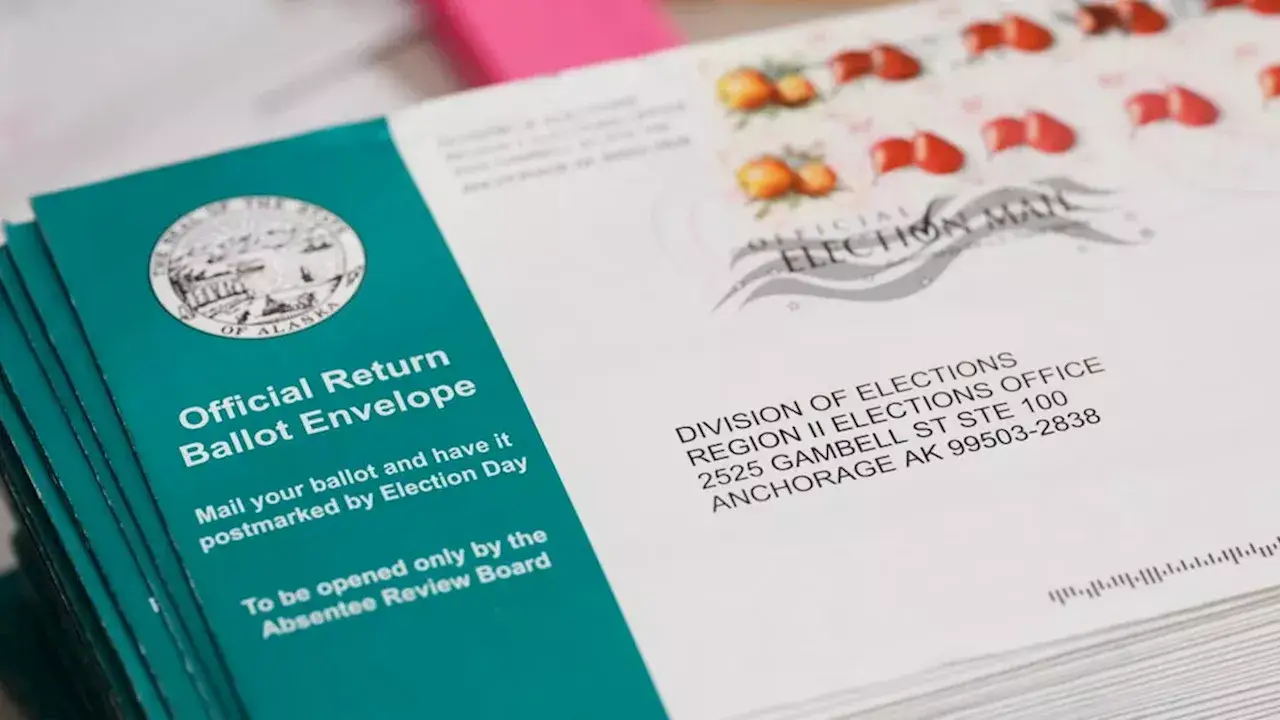
\nIn Alaska, Democrat Mary Peltola led Republican Senator Dan Sullivan by approximately 2,500 votes as of Tuesday afternoon, with an estimated 76 percent of votes counted. Peltola was less than one percentage point away from securing a direct majority in the race. If no candidate achieves a direct majority threshold in Alaska, the race will proceed to a preferential ballot count on November 18.
\n\nCounting Procedures in Mississippi
\nThe pace of the count in Mississippi is influenced by the state's lack of a centralized automated reporting system. Journalists must contact all 82 counties individually to compile data for the race between Colom and Hyde-Smith.
\nMississippi law requires that absentee mail ballots be received by Tuesday. Certified results, which include provisional counts, are due to the state by Friday. Mississippi Secretary of State Michael Watson reported that approximately 14,200 provisional ballots had been processed as of Monday, with roughly 80 percent accepted.
\nDespite the processing of provisional ballots, about 2,700 absentee mail-in ballots in Mississippi had not yet been returned as of the reporting period. The state does not have automatic manual recounts and does not allow voluntary recount requests; recounts are only conducted if ordered by a court.
\n\nAlaska Ballot Deadlines and Recount Rules
\nAlaska has different deadlines for finalizing its results. The state accepts final absentee ballots sent from outside the United States until November 18, which is 15 days after Election Day. Alaska’s target date for certifying election results is November 25.
\nRegarding recount procedures, Alaska has automatic recounts only in the event of a tie. Candidates have five days following state certification to request a manual recount if they believe the margin warrants it. The Associated Press can declare a winner in a recount-susceptible race if the leading candidate's advantage is too large to be overcome by a manual recount or legal challenge.
\n\nHouse of Representatives Majority
\nBeyond the Senate, Democrats are projected to secure 255 seats in the House of Representatives. This projection marks their largest elected majority in that chamber since 2008.
\nSeveral House races remain undecided due to extremely narrow margins. In these contests, differences between