

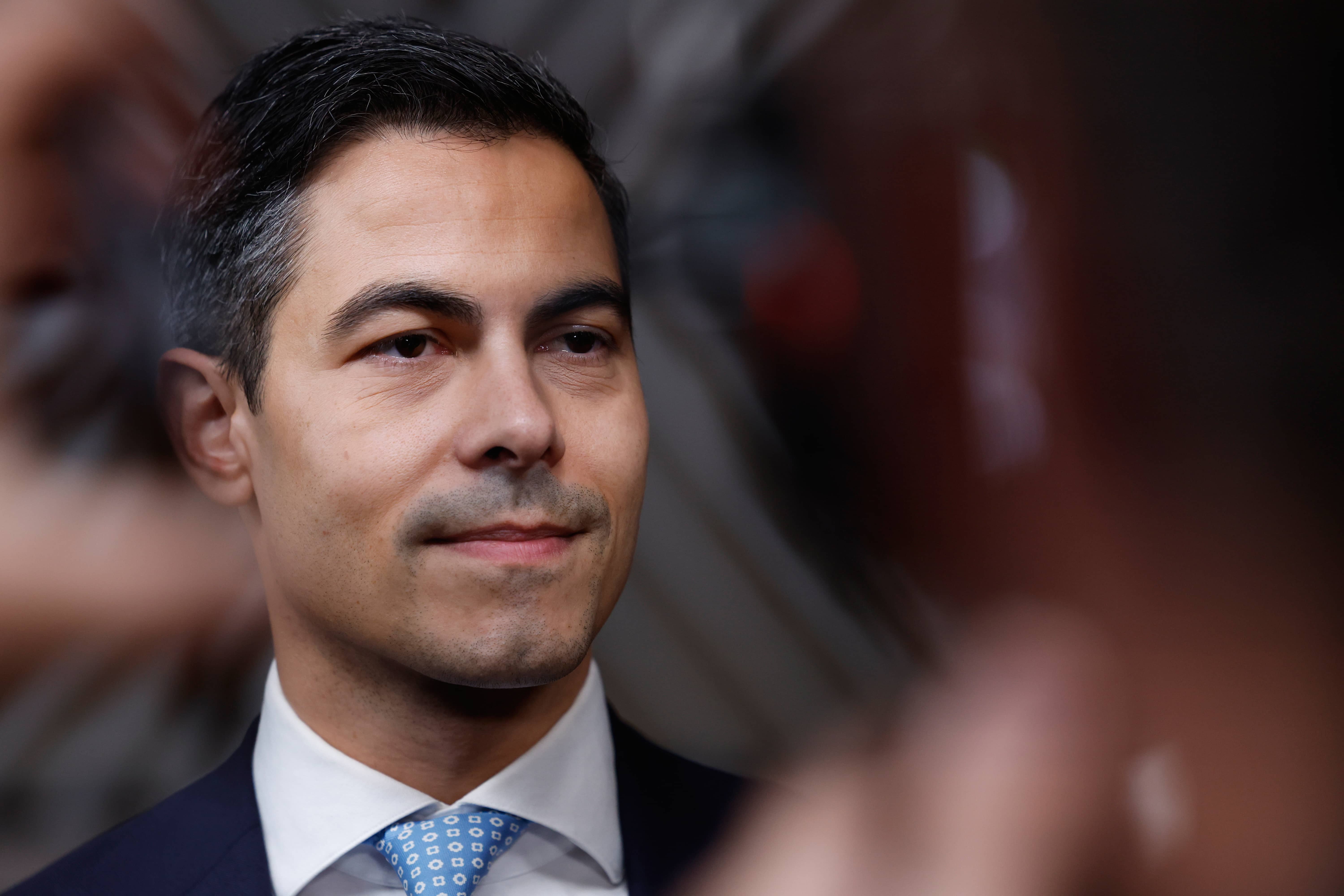

Coalition Crisis Deepens After Tax Deal
Dutch Prime Minister Rob Jetten conceded Thursday that his struggling three-party minority ruling coalition must undergo a "serious fresh start" following a dispute over a tax agreement that angered one of its partners. The crisis emerged less than nine months into the government's four-year term as it scrambled to secure support for a package of tax plans underpinning its 2027 budget.
Lawmakers from Jetten’s centrist D66 party and the center-right Christian Democrats reached an agreement Wednesday with two center-left opposition parties, PRO and Volt, to pass the tax package through the Dutch parliament. The deal was intended to advance the government's fiscal agenda but immediately triggered a backlash from coalition member VVD (People’s Party for Freedom and Democracy).
VVD slammed the arrangement as a breach of the coalition agreement the three parties had hammered out in weeks of negotiations before taking office. The party criticized the deal as a bad proposal for the Netherlands, arguing it violated the terms established when the government was formed.
Leadership Responses and Political Fallout
VVD leader and Defense Minister Dilan Yeşilgöz-Zegerius stated her party felt ambushed by partners striking a deal with an opposition party. She characterized the agreement as a "poor proposal" that runs counter to the coalition agreement.
VVD lower house bloc leader Ruben Brekelmans said a fundamental discussion is needed regarding the way forward. He did not rule out options such as interim coalition-building talks or D66 and Christian Democrats continuing in a minority coalition with PRO, signaling deep fractures within the ruling alliance.
Fiscal Warnings and Electoral Uncertainty
Beyond the political fallout, Finance Minister Eelco Heinen led a review warning that the proposed amendment could create a funding shortfall of more than 400 million euros ($442 million). This financial discrepancy adds complexity to the negotiations, as the government attempts to balance its fiscal responsibilities while maintaining coalition unity.
The potential collapse of the current administration carries significant historical weight for the Netherlands. If the government falls, it would likely lead to fresh elections next year, marking the fifth general election in less than a decade in the country. This pattern of political instability underscores the fragility of the current governing arrangement.
Government Composition and Historical Context
Jetten’s government holds only 66 of the lower house’s 150 seats, a narrow majority that required careful coalition management from the outset. The cabinet was sworn in February as the Netherlands’ youngest and first openly gay prime minister, a milestone that highlighted a shift in the nation's political landscape.
The path to power for Jetten was narrowly defined by recent electoral results. He narrowly won an election in late October last year, securing the same number of seats as Geert Wilders’ Party for Freedom but with slightly more votes. This tight margin has necessitated a governing style reliant on compromise, which is now being tested by the current tax dispute.
Despite the turmoil, some coalition members remain committed to the existing structure. Christian Democrat leader Henri Bontenbal told national broadcaster NOS he wants the coalition to survive its full four-year term, "preferably eight years." His stance contrasts with the growing unrest from VVD, highlighting the divergent priorities within the minority government as it navigates this critical juncture.