Full story
Maurya Highlights Profitability of THR Plants
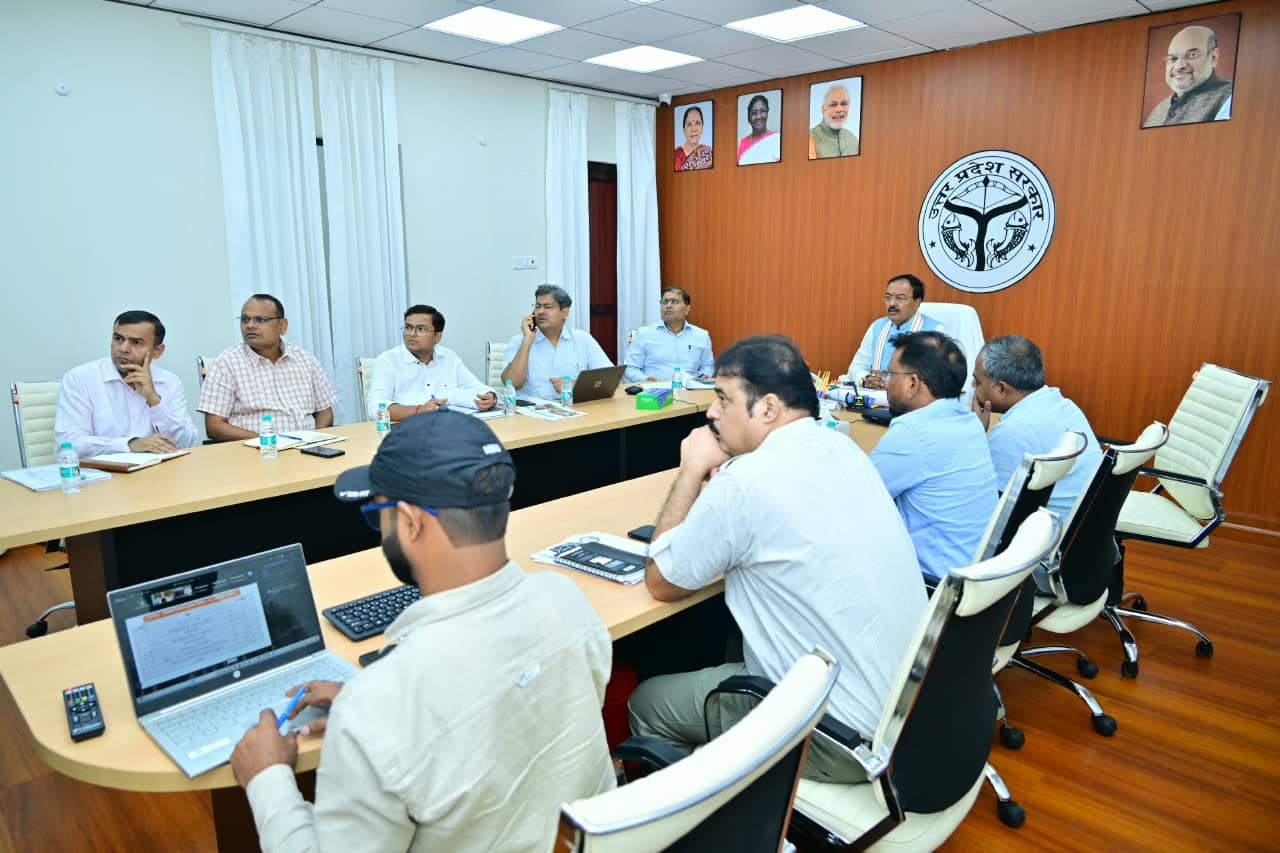
Uttar Pradesh Deputy Chief Minister Keshav Prasad Maurya stated that a review of Thrift and Credit Cooperative (THR) plants operating under the state mission revealed that 102 facilities are currently profitable. The assessment was attributed to the operational efforts of women workers, referred to as "Didis," and the technical approach implemented by the Deputy Chief Minister.
Maurya emphasized that the success of these established plants serves a broader economic purpose for the state. He noted that the profitability of these facilities creates employment opportunities for women and strengthens the economic status of self-help groups across Uttar Pradesh.
Directives for Remaining Facilities
While acknowledging the progress of the 102 profitable units, Maurya stated it is essential to steer the remaining 202 plants toward profitability as well. To achieve this goal, he directed concerned officials to conduct comprehensive reviews of each facility.
The directives require officials to examine specific operational parameters, including production capacity, quality standards, costs, and marketing arrangements for every plant. Maurya instructed that these reviews must lead to the formulation of effective action plans designed to address any identified shortcomings in the remaining facilities.
Impact on Rural Livelihoods
The THR mission is part of a larger framework involving rural economic development in Uttar Pradesh. According to reports, approximately 13.5 million rural families in the state have joined self-help groups. Additionally, 8.223 million women farmers have been linked to various livelihood activities.
Maurya stated that through these self-help groups, women are increasing family income by engaging in multiple sectors. These activities include agriculture, animal husbandry, food processing, dairy production, and various small-scale enterprises.
The Deputy Chief Minister added that these economic engagements lead to improved standards of living, better education for children, enhanced family care, and greater social respect for women within their communities.