

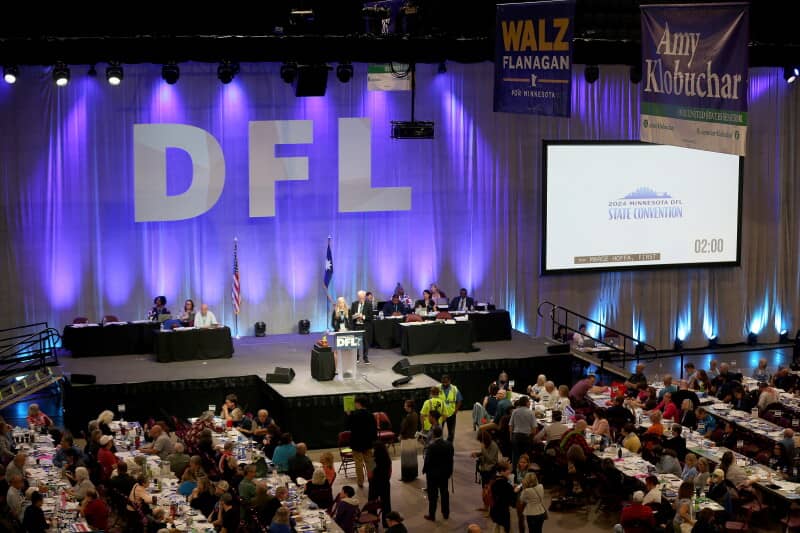

DFL Convention Convenes in Rochester Amidst Delegate Anticipation
Delegates from across Minnesota are converging on Rochester for the Democratic-Farmer-Labor (DFL) Party's state convention. The gathering, a pivotal event in the state's political calendar, is anticipated to be marked by a combination of high energy and internal deliberation among the attendees. The convention serves as a forum for party members to discuss policy, affirm party values, and make key endorsements ahead of the upcoming election cycle.
The DFL convention brings together grassroots activists, local party leaders, and elected officials, all playing a role in shaping the party's direction. These delegates are selected through a series of precinct caucuses and local conventions, reflecting a broad cross-section of the party's membership from various communities across the state. Their collective input is central to the democratic process within the DFL.
Energized and Restive Atmosphere Expected
The mood among delegates arriving in Rochester is described by observers as both "energized" and "restive." This dual characterization suggests a strong enthusiasm for the upcoming election cycle and the party's platform, alongside a potential for robust debate on specific issues or candidate preferences that reflect the diverse ideological landscape within the party.
The "energized" aspect reflects the commitment to mobilizing voters and advancing DFL principles. The current political climate, marked by significant national and state-level policy debates, often fuels a strong sense of purpose among party activists. Delegates, who are typically deeply involved in local party units and community organizing, arrive at conventions with a heightened sense of responsibility to shape the party's direction. This energy is often channeled into discussions about electoral strategies for the upcoming cycle, grassroots mobilization efforts, and reaffirming core party values.
However, this energy is frequently accompanied by a "restive" undercurrent, reflecting the diverse ideological spectrum within the DFL. Delegates often represent a range of viewpoints, from progressive advocates pushing for bold policy changes to more moderate voices emphasizing pragmatic approaches and broad electability. These differing perspectives can lead to spirited discussions on issues such as environmental policy, healthcare reform, economic justice, and the party's overall messaging. The convention floor becomes a crucial arena for these internal discussions, where various factions seek to influence the party platform and candidate selection. This dynamic is a common feature of party conventions, where the democratic process allows for a wide range of voices to be heard and debated before consensus or endorsements are reached.
Senate Endorsement a Key Agenda Item
A central focus of the Rochester convention will be the endorsement of a candidate for the U.S. Senate. The DFL endorsement process is a significant step for candidates, often providing a crucial boost in resources and party unity heading into a primary election, should one occur. Securing the party's official endorsement can be a powerful signal to voters and donors, indicating a unified front and the party's preferred choice.
Delegates will engage in a formal process to select the party's preferred candidate. This typically involves speeches from candidates vying for the endorsement, opportunities for delegates to caucus and discuss their preferences, and multiple rounds of voting. To receive the official party endorsement, a candidate usually needs to secure a supermajority, often 60%, of the delegate votes. This threshold is designed to ensure that the endorsed candidate has broad support across the party.
For candidates, securing the endorsement can streamline campaign efforts by consolidating party resources, volunteer networks, and organizational support. It can also help avoid a potentially costly and divisive primary battle, allowing the party to focus its efforts on the general election. Conversely, candidates who do not receive the endorsement may choose to continue their campaigns through a primary election, relying on direct voter appeal and grassroots organizing to challenge the endorsed candidate. The decision to pursue a primary despite not receiving the endorsement is a strategic one, weighing the benefits of party unity against the desire to present an alternative choice to voters.
Senator Klobuchar's Expected Reception
Senator Amy Klobuchar, a prominent figure within the DFL and national politics, is expected to attend the convention. Reports suggest that her reception from delegates could be "mixed." This anticipated mixed reaction may stem from various factors inherent in a large, diverse political party, reflecting the ongoing evolution of political discourse and priorities within the DFL.
While Senator Klobuchar maintains strong support among many DFL constituents and has a well-established record in the Senate, some delegates may hold different perspectives on policy priorities, campaign strategies, or the party's overall direction. Her long tenure and national profile mean she has taken positions on a wide array of issues, which naturally garner varied responses from different segments of the party base.
The DFL, like other major political parties, encompasses a spectrum of ideologies, from more progressive wings advocating for transformative change to moderate elements emphasizing incremental progress and broad electability. Delegates representing these different viewpoints often use conventions to express their preferences and engage with party leaders. A "mixed reaction" could manifest as enthusiastic applause from supporters alongside more reserved responses or pointed questions from delegates seeking further engagement on specific issues. Such interactions are a standard part of the convention experience, where delegates have the opportunity to directly engage with elected officials and prospective candidates, reflecting the democratic nature of the party's internal processes. The convention provides a platform for both celebration of shared goals and constructive dialogue on areas of divergence, allowing for a robust exchange of ideas within the party.