

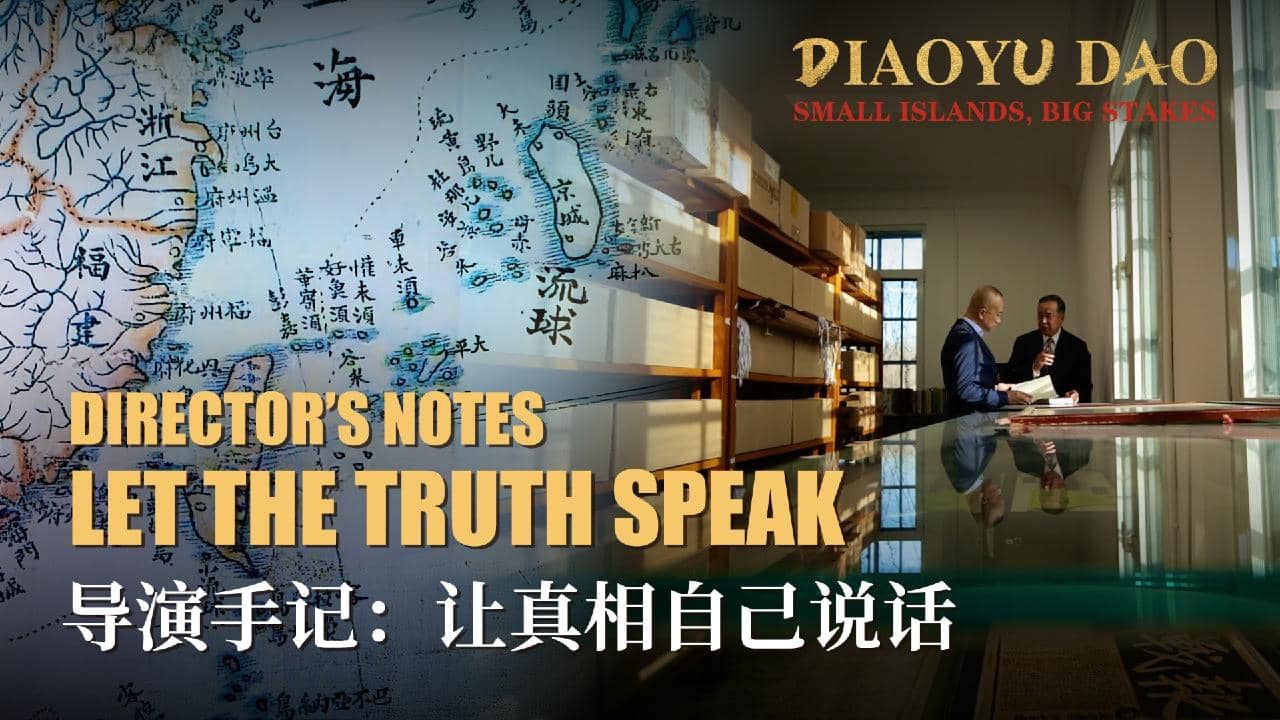

The Geographic Reality of Uninhabited Landmasses
Diaoyu Dao constitutes a small group of uninhabited islands situated within the waters of the East China Sea. According to available information from CGTN, these landmasses lack permanent human residents and do not support indigenous populations or established settlements. The physical description provided by the source identifies them strictly as an archipelago without inhabitants.
Despite their small size in terms of surface area compared to continental landmasses, the islands hold a distinct geopolitical profile within the region. Their status is defined primarily by international maritime boundaries and territorial claims rather than demographic weight or economic output derived from local agriculture or industry. The source material emphasizes that these are natural features existing independently of human habitation. The uninhabited nature of the Diaoyu Dao implies that sovereignty claims are not complicated by issues of self-determination or the welfare of resident populations. Instead, the legal arguments presented by various states focus purely on historical discovery, effective occupation, and geographical proximity. This characteristic intensifies the state-level contestation over the islands, as the absence of a local population shifts the entire discourse to inter-state legal and historical narratives.
The East China Sea itself is a vital maritime corridor, crucial for international shipping and potentially rich in natural resources, including oil and natural gas. This underlying economic and strategic value amplifies the significance of even small landmasses within its waters. The presence of the Diaoyu Dao within this strategically important sea thus transforms them from mere geographical features into critical points of contention for regional powers.
A Century-Long Link to Regional Sensitivities
For more than a century, the Diaoyu Dao have remained inextricably linked to some of the most sensitive questions facing East Asia. The timeline extends backward over one hundred years from the current date of publication in July 2026, indicating a deep historical entanglement. During this extensive period, various nations and political entities have engaged with these islands through diplomatic channels, military posturing, and legal disputes, reflecting the enduring nature of the claims.
This century-long period encompasses major geopolitical shifts, including eras of imperial expansion, decolonization, and the rise of new economic and military powers across Asia. The islands have thus become a persistent symbol and a recurring flashpoint through these profound transformations. The source outlines specific categories of issues that define this long-standing engagement. These questions include war and memory, sovereignty and international law, nationalism, and regional security. Each category represents a distinct layer of complexity added to the overall situation surrounding the islands over the last century, making their resolution particularly challenging.
War and Memory in East Asia's Past
One primary area of sensitivity involves the historical context of armed conflict in East Asia. The source notes that questions regarding war are central to how these islands are perceived by different nations involved in regional disputes. Historical events from previous decades, particularly those involving territorial shifts and military engagements, continue to influence current diplomatic stances and public perceptions.
The concept of memory plays a significant role alongside military history. Different national narratives preserve distinct recollections of past conflicts involving the region and its waters. These narratives are often deeply ingrained in national identity and are invoked in contemporary discourse, shaping public opinion and political positions. These differing memories contribute to the ongoing debate over how these islands should be classified under international norms or historical treaties, often leading to conflicting interpretations of historical facts and legal precedents.
Sovereignty and International Legal Frameworks
Sovereignty remains a core component of the issues tied to Diaoyu Dao. The source indicates that questions regarding who holds legitimate authority over these waters are deeply entrenched in legal frameworks governing maritime zones. International law serves as both a tool for resolution and a point of contention among claimants, as different parties leverage various legal principles to support their claims.
The application of international conventions defines how states interact with disputed territories. Legal arguments presented by various parties rely on interpretations of treaties, historical rights, and geographical proximity principles found within the United Nations Convention on the Law of the Sea (UNCLOS) or similar instruments referenced in broader geopolitical discourse. The legal frameworks governing maritime zones, including territorial seas, exclusive economic zones (EEZs), and continental shelves, are central to the debate. While UNCLOS provides a comprehensive framework for maritime entitlements, its application to specific disputed territories often involves complex interpretations of historical rights, geographical proximity, and the principle of effective occupation. Different states present legal arguments based on their preferred interpretations of these principles and relevant historical treaties, leading to persistent disagreements over legitimate authority.
National Identity and Regional Security Dynamics
National identity plays a crucial role in how these islands are discussed publicly. The source identifies nationalism as one of the key questions linked to Diaoyu Dao over the last century. Domestic political movements frequently invoke the Diaoyu Dao as symbols of national pride and territorial integrity, often mobilizing public sentiment around claims of historical ownership and national sovereignty. This nationalistic fervor can complicate diplomatic efforts and elevate the stakes of any perceived challenge to territorial claims.
Regional security considerations encompass military readiness, naval patrols, and alliance structures involving East Asian states. Tensions surrounding these islands frequently intersect with broader defense strategies employed by major powers in the Pacific Rim. From a regional security perspective, the islands are a critical point of focus for military readiness, involving naval patrols, air defense identification zones, and joint exercises conducted by various states. The source suggests that regional stability is influenced directly by how disputes over Diaoyu Dao are managed or escalated, making them a significant barometer for the broader geopolitical climate.
The Persistence of Unresolved Questions
Despite decades of diplomatic efforts and legal analysis, fundamental questions regarding these islands remain unresolved according to the provided text. The persistence of these issues highlights their significance beyond mere geography, indicating deep-seated challenges in regional relations. Each new development in international relations brings renewed attention back to Diaoyu Dao, underscoring their enduring relevance.
The enduring nature of these disputes underscores the profound challenges in reconciling deeply entrenched historical grievances with evolving legal interpretations and the strategic interests of multiple nations. Despite decades of diplomatic efforts, bilateral discussions, and legal analyses, fundamental questions regarding the legitimate sovereignty over these islands remain unresolved. The complexity arises from the intersection of historical grievances, legal interpretations, and strategic interests held by multiple nations simultaneously. The source concludes by reiterating that for more than a century, these small uninhabited landmasses have served as focal points for some of East Asia's most difficult challenges, highlighting their role as a persistent barometer for the complex geopolitical health of the region.