

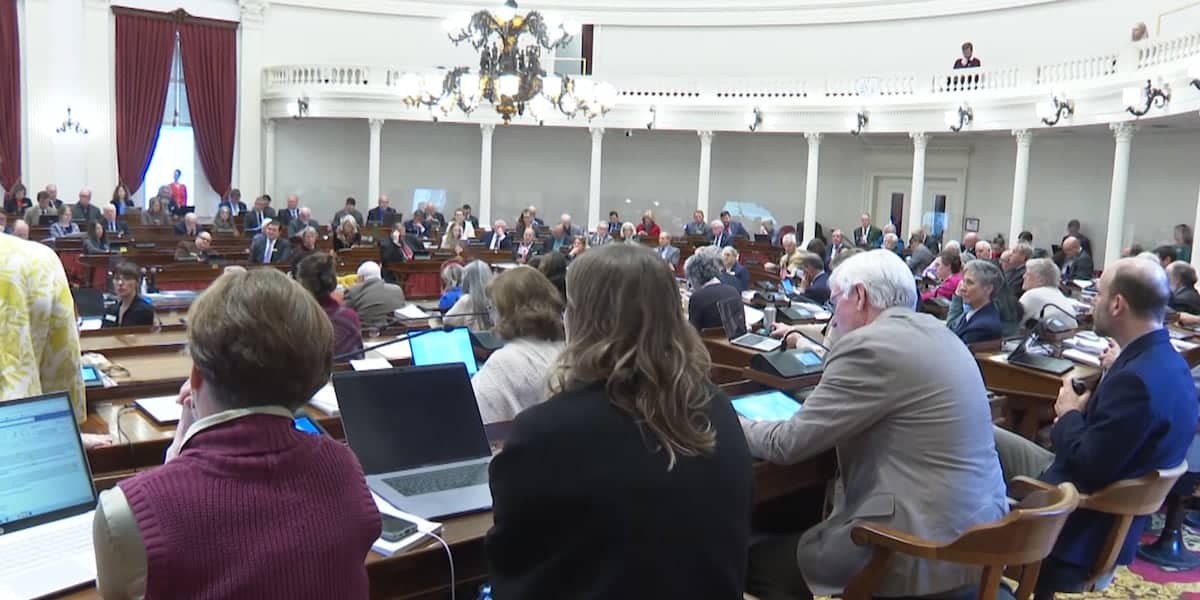

Vermont Lawmakers Opt Against Reelection
A significant number of Vermont lawmakers have announced their decision not to seek reelection, leaving dozens of seats open in the Statehouse for the upcoming electoral cycle. This trend highlights the challenges associated with public service at the state level, with departing legislators frequently citing the considerable time commitments and financial pressures as key factors in their decisions.
Factors Influencing Departures
The choice by a substantial contingent of current Vermont legislators to step down from their positions has been attributed to a combination of the rigorous demands on their time and the financial realities of holding public office. These factors collectively contribute to a challenging environment for many who serve in the state's legislative body.
Demanding Time Commitments
Serving as a state legislator in Vermont involves extensive time commitments that often extend beyond the formal legislative sessions. The Statehouse typically convenes for several months each year, during which lawmakers are expected to be present for daily floor debates, votes, and caucus meetings. However, the responsibilities do not conclude with the adjournment of the session. A substantial portion of a legislator's work occurs within various committees, which are critical for reviewing, amending, and advancing proposed legislation. These committee meetings can be lengthy and require detailed study of complex issues, often necessitating preparation outside of scheduled meeting times. Furthermore, lawmakers are tasked with representing their constituents, which involves responding to inquiries, attending local events, and advocating on behalf of their communities. This continuous engagement means that the role is often a year-round commitment, making it challenging for individuals to balance legislative duties with personal lives, family obligations, and other professional pursuits. The cumulative effect of these responsibilities can lead to a demanding schedule that ultimately influences a legislator's decision regarding continued service.
Financial Considerations
Financial concerns also play a significant role in the decisions of Vermont lawmakers not to seek re-election. The compensation provided for legislative service, while intended to support those in office, may not always be sufficient to fully offset the financial impact of holding the position. Many state legislators are not full-time politicians and maintain other careers or businesses. The extensive hours required for legislative work, including sessions, committee meetings, and constituent outreach, can significantly limit their ability to dedicate time to their primary employment. This can result in reduced income from their main professions, creating financial strain. For some, the salary for legislative service may not adequately cover living expenses, especially if they must maintain two residences (one in their district and one near the Statehouse) or incur significant travel costs. The economic realities of balancing public service with personal financial stability can become a decisive factor, particularly for those without substantial alternative income sources or who face increasing personal financial responsibilities.
Impact on the Statehouse and Elections
The decision by dozens of incumbent lawmakers not to seek re-election creates a substantial number of open seats across the Vermont Statehouse. This situation has several implications for the legislative body and the state's political landscape. The departure of experienced legislators means a loss of institutional knowledge, which refers to the deep understanding of legislative procedures, historical context of policies, and established working relationships that long-serving members often possess. This knowledge is valuable for efficient governance and effective policy-making. Conversely, the influx of new representatives will bring fresh perspectives, diverse backgrounds, and potentially new ideas to the Statehouse. These new members will have the opportunity to shape future legislative agendas and contribute to the evolving dynamics of state governance. The upcoming elections will therefore be highly contested in many districts, as candidates vie to fill these newly open positions, ultimately determining the composition and direction of Vermont's legislative branch.