

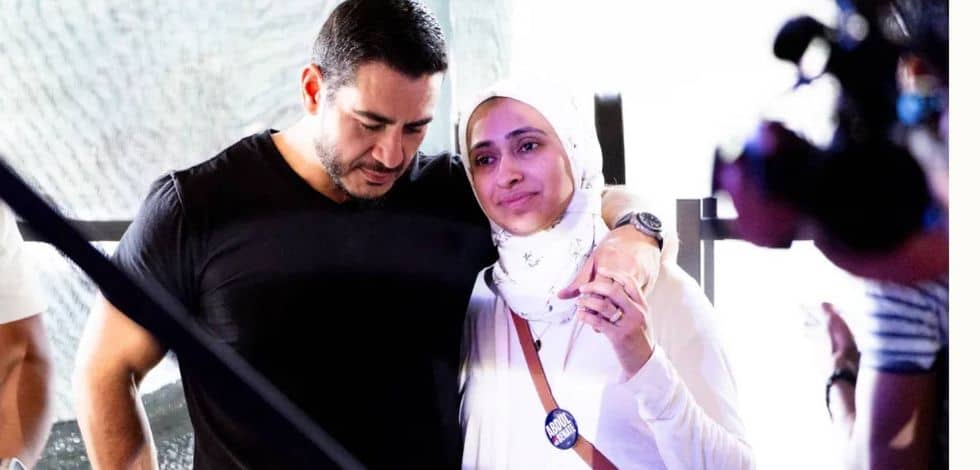

Characterization of the Political Climate
The upcoming midterm elections in Michigan have been described by some commentators as "the super-Islamophobic midterms." This characterization frames the political contest between Democratic candidate Dr. Abdul El-Sayed and Republican Representative Mike Rogers within a broader context of heightened racial and religious tensions.
Commentators suggest that the political environment is deeply divided, with former President Donald Trump leading efforts to attack Dr. El-Sayed. The source text alleges that these attacks are driven by a fear of El-Sayed’s intelligence, strength, and recent primary victory against establishment Democrat Haley Stevens. The narrative presented in the source material posits that El-Sayed’s success as a Muslim health official has "terrified" his opponents.
Allegations of Fear-Mongering and Extremism
According to the provided research notes, the political discourse includes allegations of fear-mongering regarding various groups and events. These include references to vandals in the Reflecting Pool, domestic terrorists associated with "No Kings," migrant caravans, and individuals with specific names or skin tones.
Mehdi Hasan is cited in the source material as predicting that opponents will utilize "the whole bigoted kitchen sink" against El-Sayed. Hasan described the anticipated campaign strategy as an "anti-Zohran Mamdani campaign on anti-Muslim steroids." The text further alleges that attacks against El-Sayed include charges of being a "communist" and a "man of hate." Additionally, the source predicts the use of AI-generated content featuring suicide vests in the upcoming campaign.
Dr. El-Sayed’s Response and Campaign Framing
Dr. Abdul El-Sayed, an epidemiologist, health official, author, and Muslim who won Michigan’s primary, has responded to these attacks by embracing a narrative of division. The source notes that El-Sayed has adopted the framing of "(two) America’s" in response to the political climate.
At a campaign event, El-Sayed addressed the personal nature of the attacks directed at him. He stated, "With a name like mine, I never thought running for office would be possible." This comment was made as he pushed back against the characterization of his identity and background by his opponents.
Poll Numbers and Political Criticism
The source text asserts that former President Trump’s poll numbers are at "rock-bottom lows" of 38% to 33%. The text describes Trump’s supporters as delusional and characterizes the former president as a "fragile narcissist." It alleges that Trump has boasted of "Great Poll Numbers" despite these low figures.
The research notes indicate that the political strategy employed by opponents involves targeting high-achieving individuals who are Muslim or have brown or black skin. The source claims that such success is viewed as more terrifying to some voters than any threat of extremism.
Republican Opponent’s Tactics and Legitimacy Challenges
Republican Representative Mike Rogers has rushed to label the U.S.-born-and-bred El-Sayed as "anti-American." The source alleges that Rogers is using El-Sayed’s full name, Abdulrahman Mohamed El-Sayed, to undermine his legitimacy.
Comparisons to Past Political Attacks
The research notes draw a comparison between Rogers’ tactics and past attacks on former President Barack Obama. The text alleges that the use of El-Sayed’s full, long name is intended to evoke similar reactions to those directed at Obama, specifically referencing the use of his middle name "Hussein." This tactic is described in the source as an attempt to question El-Sayed’s American identity.
El-Sayed has pushed back against these characterizations. The source notes that he does not "suffer fools gladly" and has actively contested the narrative constructed by his opponents. The campaign dynamics suggest a focus on personal identity and national belonging as central themes in the Michigan midterm race.