Full story
Hungry Wildlife Invades Urban Zones Amid Severe Drought
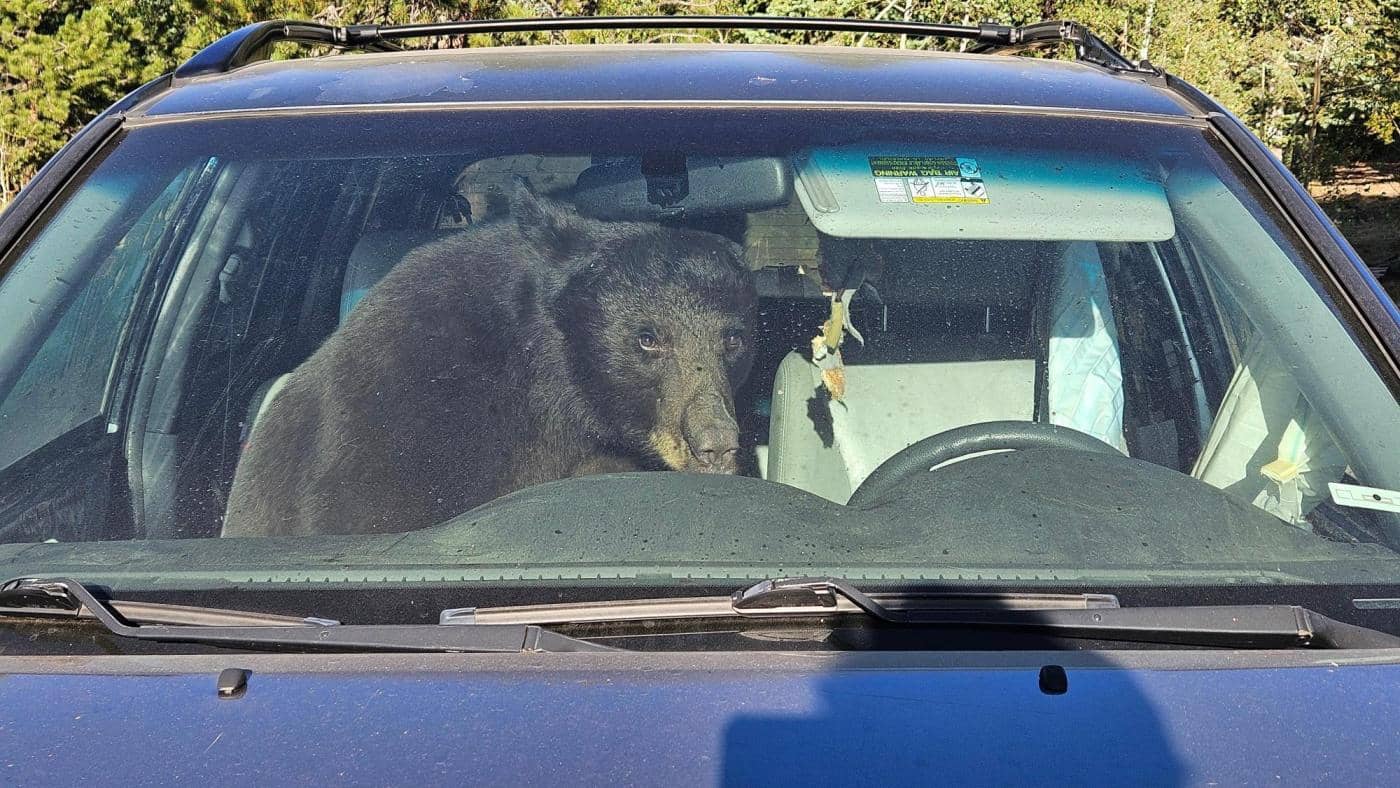
Boulder, Colo. — A parched summer in the Rocky Mountains has driven hungry bears into urban areas, leading to increased human-bear confrontations and attacks. Reports regarding these events were published on September 8–9, 2026, highlighting a significant disruption in wildlife patterns due to environmental conditions.
Boulder Daily Camera reported that the drought conditions are cited as the primary factor forcing bears to seek food sources in human-populated zones. The influx of bears into towns has resulted in dangerous encounters between wildlife and residents. The geographic scope of this phenomenon is reported in the Rockies region, with specific coverage from Boulder, Colorado.
Boston Herald also covered the story on September 9, 2026, noting that hungry black bears are running into trouble as they enter populated areas. The outlet described the situation as a national issue stemming from the same regional drought conditions affecting the Rockies.
Timeline of Reports and Geographic Scope
The timeline for these reports begins on September 8, 2026, with Boulder Daily Camera publishing its coverage. The following day, September 9, 2026, Boston Herald released its article detailing the same phenomenon. Both outlets attribute the bear activity to a parched summer in the Rockies.
Boulder Daily Camera identified Boulder as a specific location where these events are occurring. The outlet's coverage emphasizes the direct link between the drought and the movement of bears into urban environments. Boston Herald expanded the scope, reporting on the broader national implications of this wildlife behavior.
Consequences of Human-Wildlife Encounters
The primary consequence reported is the increase in human-bear confrontations and attacks. Boulder Daily Camera stated that these encounters are dangerous for residents. The presence of hungry bears in urban areas has led to situations where wildlife and people come into direct contact.
Boston Herald described the bears as "hungry black bears" that are "running into trouble." This phrasing indicates that the bears are facing difficulties, likely due to their forced entry into human spaces. The outlet reported that this behavior is a result of the drought conditions in the Rockies.
Drought as the Primary Driver
According to Boulder Daily Camera, drought conditions are the primary factor forcing bears to seek food sources in human-populated zones. The parched summer has reduced natural food supplies, compelling the animals to look elsewhere for sustenance.
Boston Herald corroborated this driver, linking the bear activity to the same parched summer in the Rockies. Both outlets agree that the environmental conditions are the root cause of the increased bear presence in urban areas.
Regional and National Reporting
The reporting on this issue spans from local to national levels. Boulder Daily Camera provided local coverage, focusing on Boulder and the immediate impact on residents. Boston Herald provided broader context, indicating that the phenomenon is being observed across the Rockies region.
The geographic scope includes the Rockies region generally, with specific mention of Boulder, Colorado. The reports suggest that this is not an isolated incident but a widespread issue affecting multiple areas within the Rockies.
Public Safety Concerns
The dangerous encounters between wildlife and residents have raised public safety concerns. Boulder Daily Camera highlighted the risks associated with bears entering urban areas. The presence of hungry animals in populated zones creates potential hazards for people.
Boston Herald also noted the trouble faced by the bears, which implies a reciprocal risk to humans. The reports do not specify the exact number of attacks but confirm that confrontations are occurring.
Media Coverage Details
Boulder Daily Camera published its article on September 8, 2026. The outlet's coverage is part of its news section, which includes topics such as crime and public safety. Boston Herald published its article on September 9, 2026, under its nation news category.
Both outlets used similar headlines to describe the event: "Drought sends hungry bears into urban areas, human confrontations." This consistency in reporting underscores the shared understanding of the cause and effect relationship between the drought and bear behavior.
Impact on Local Communities
The influx of bears into towns has disrupted normal life for residents. Boulder Daily Camera reported that these encounters are dangerous. The specific location of Boulder is cited as an area where this disruption is occurring.
Boston Herald added that the bears are "running into trouble," which suggests that the animals are also facing challenges in their new environment. This dual perspective highlights the complexity of the situation for both wildlife and humans.
Environmental Context
The parched summer in the Rockies is the environmental context for these events. Boulder Daily Camera identified this as the primary driver. The drought has altered the natural behavior of bears, forcing them to adapt by seeking food in human areas.
Boston Herald confirmed this environmental factor, reporting on the same parched summer conditions. The consistency in the reported cause indicates a clear link between the drought and the bear activity.