


The Price of Stability for Australia’s Elderly Renters
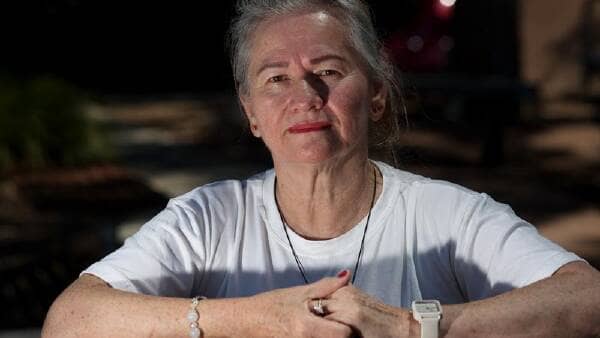
For Virginia Lord, a 63-year-old resident of Sydney, the dream of homeownership has been replaced by the precarious reality of the rental market. Despite working extra shifts as a ward worker in a Sydney hospital, Ms. Lord pays $400 weekly for a sharehouse in St Leonards. This financial burden is not an isolated incident but a reflection of a national housing crisis that has left no area of Australia affordable.
Ms. Lord’s current situation stands in stark contrast to her life in the 1990s, when she owned a home. That stability was disrupted by divorce and the demands of raising a large family, forcing her into the rental market. Today, she earns approximately $1000 per week, yet her rent is classified as severely unaffordable by national standards.
National Standards Define the Crisis
The severity of Ms. Lord’s situation is quantified by the latest data from the national Rental Affordability Index, released on Tuesday. The report confirms that no areas of Australia are currently affordable. Across the nation, homes cost at least 23 percent of household income, a threshold that marks the beginning of significant financial strain for renters.
While the national average sets a baseline for distress, the situation is more acute in major metropolitan centers. In Sydney, Perth, and Hobart, rental costs exceed 30 percent of income. These figures place residents in these cities well beyond the point of "acceptable" affordability, which is defined as rents costing between 20 and 25 percent of income.
Shifting Landscapes in Capital Cities
The data reveals a complex picture of housing stress across different regions. While Sydney, Perth, and Hobart face the highest levels of unaffordability, other capitals are experiencing worsening conditions. Canberra and Adelaide have seen their affordability worsen, indicating that the crisis is not static but expanding into areas previously considered more stable.
Despite the grim national picture, there are minor fluctuations in specific markets. Sydney’s affordability has improved by one percent since 2025 due to declining property prices. However, this marginal improvement does little to alleviate the severe burden faced by individuals like Ms. Lord, whose rent consumes a significant portion of her weekly earnings.
The Human Cost of Economic Indicators
Ms. Lord’s story illustrates the human impact behind the statistics. Working extra shifts to cover basic housing costs highlights the lengths to which elderly Australians must go to maintain shelter. Her experience is not unique; it mirrors the broader trend of seniors being priced out of secure housing options.
The classification of her rent as "severely unaffordable" underscores the gap between income and housing costs for many older Australians. With rents in Sydney exceeding 30 percent of income, the financial pressure on fixed or modest incomes is immense. This pressure forces individuals to make difficult choices regarding healthcare, nutrition, and other essential needs.
Broader Implications for Housing Policy
The national Rental Affordability Index’s finding that no areas are affordable suggests a systemic failure in housing policy. The fact that even the "acceptable" range of 20 to 25 percent is breached nationwide indicates that the market is out of sync with household incomes.
For policymakers, the data from Sydney, Perth, and Hobart serves as a critical warning. With costs exceeding 30 percent of income, these cities are experiencing extreme housing stress. The worsening affordability in Canberra and Adelaide further complicates efforts to find relief, as the crisis spreads beyond the traditional hotspots.
Ms. Lord’s continued employment at age 63 is a testament to her resilience but also a symptom of the broader economic pressures facing older Australians. As property prices fluctuate, as seen in Sydney’s slight improvement, the underlying issue remains the disconnect between income growth and housing costs.
Looking Ahead
The current state of the rental market leaves little room for optimism for those on fixed incomes. With no areas of Australia deemed affordable, the need for comprehensive housing solutions is urgent. The experiences of individuals like Virginia Lord highlight the immediate consequences of these economic trends.
As the nation grapples with this crisis, the data provides a clear roadmap of where the most severe challenges lie. Sydney, Perth, and Hobart require immediate attention due to their high cost burdens, while Canberra and Adelaide need strategies to halt worsening affordability.
For Virginia Lord, the path forward remains uncertain. Her extra shifts at the hospital are a temporary measure in a long-term struggle. The national Rental Affordability Index’s findings confirm that her situation is not an anomaly but a widespread reality for millions of Australians.