Full story
Uko Forecasts Presidential Contest
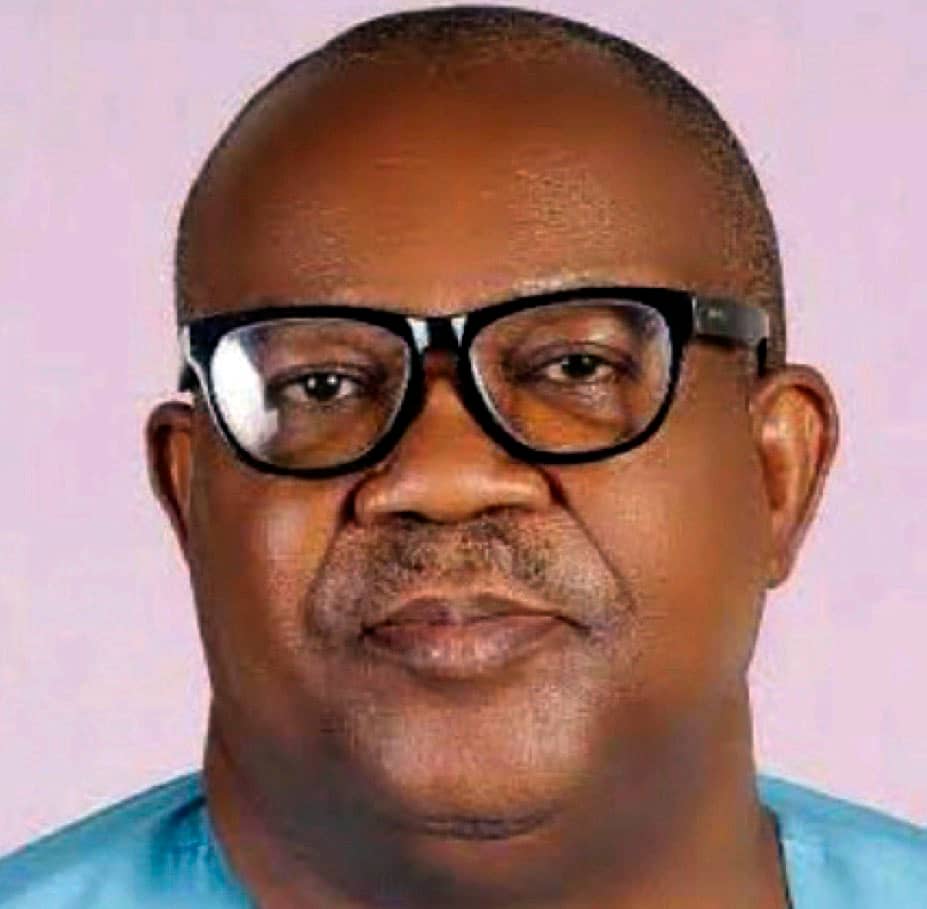
Evangelist Elliot Ugochukwu Uko, founder of the Igbo Youth Movement (IYM), has predicted that President Bola Tinubu and former Vice President Atiku Abubakar will face each other in the 2027 presidential election. Speaking to The Sun Nigeria, Uko stated that only a united opposition can successfully challenge the current administration and oust the president from office.
Vincent Kalu, secretary of the Eastern Consultative Assembly (ECA), supported the notion of shifting political dynamics in the lead-up to the next cycle. Kalu noted that the template used in the 2023 elections differs significantly from current circumstances, mood, and alignments. He added that remarkable shifts are expected in the 2027 elections, with outcomes likely to differ from previous cycles due to these evolving political realities.
Concerns Over Military Recruitment
Uko outlined several reasons why Igbo youth have shown little interest in joining the Nigerian Army, despite appeals from military authorities and regional leaders. He attributed this reluctance to a profound loss of confidence in Nigeria, citing beliefs that the region is mistreated, under-developed, and its people are treated as second-class citizens.
According to Uko, federal agencies such as the Central Bank of Nigeria (CBN), Nigerian National Petroleum Company (NNPC), Customs, and the Federal civil service shun Igbo people during recruitment processes. He claimed that the government only remembers the region when recruiting personnel specifically to face Boko Haram, rather than for broader national service.
Uko further asserted that Igbo youth fear remaining in one rank for decades within the Army due to a lack of "godfathers" necessary for promotion. This perceived barrier to advancement contributes to the reluctance of young men from the Southeast to enlist, as they believe their career progression would be stifled without influential patronage.
Policy Positions on Security and Governance
Addressing security concerns, Uko argued that regional police forces are superior to 36 separate state police forces. He called for a readable roadmap to tame insecurity across the country, suggesting that a unified regional approach would be more effective than the current fragmented system.
Regarding the political landscape, Uko criticized opposition politicians for focusing their campaign messages on the hardship caused by government reforms rather than offering sensible alternatives. He noted that without these reforms, there would be nothing to criticize regarding fuel pump prices, implying that the economic pain is a necessary transition rather than a failure of governance. He emphasized that Nigerians are expecting working solutions from those seeking public office, not just complaints about current conditions.
Uko also described the political optics in the South East as difficult to discern due to internal divisions. He claimed the region has been unfriendly and hostile toward his area for half a century. Additionally, he noted that Ebonyi people feel looked down upon by other Igbo states, contributing to these internal fractures and complicating any unified regional stance.
Call for Structural Change
In addition to his predictions on the 2027 race, Uko expressed the desire of the Igbo population for true federalism and the devolution of powers. He maintained that these structural changes are necessary to address the grievances cited by the youth regarding recruitment and regional development.
Uko's comments highlight a growing disconnect between the Igbo youth and the federal military establishment, driven by perceptions of marginalization. The combination of perceived discrimination in civilian federal agencies and barriers to promotion in the military has fueled a narrative of second-class citizenship among this demographic. As the 2027 elections approach, these sentiments may play a significant role in shaping voter behavior and regional alliances.