


The Shift From Chip Sophistication to Power Grid Capacity
For three years, the competition in the field of artificial intelligence has been measured primarily by the sophistication of models and the advanced nature of the semiconductor chips required to run them. According to a study conducted jointly by Stanford University and Together AI, this metric may no longer be the decisive factor in determining leadership within the industry.
The research indicates that the capacity of the electrical grid, rather than the complexity of AI algorithms or the performance of frontier chips, is now the primary constraint for artificial intelligence operations. The study suggests that the real race for dominance in AI may be won through energy efficiency metrics, specifically "intelligence per watt," rather than through the development of more advanced hardware alone.
This assessment challenges the long-standing focus on computational power and model size. Instead, it highlights electrical infrastructure as a significant bottleneck for future AI development. The capacity available to support data centers is now presented as a limiting factor that supersedes the technical capabilities of the processors themselves.
Intelligence Per Watt and Infrastructure Limits
New research focusing on "intelligence per watt" suggests that the ability to perform computational tasks efficiently relative to energy consumption is becoming more critical than raw processing speed. The study by Stanford University and Together AI points to the power grid as a fundamental constraint on growth.
The article, titled "The Grid Doesn’t Care How Smart Your Model Is," appeared in The National Interest on August 25, 2026. Authored by Fyodor Dmitrenko, the piece outlines how the contest for artificial intelligence has evolved from a purely technological challenge to an infrastructure problem.
The research notes indicate that electrical infrastructure is a significant bottleneck for AI development. This implies that even if manufacturers produce more sophisticated chips, their utility is limited by the ability of the local and national power grids to supply the necessary electricity to data centers.
Geographic and Sectoral Implications
The study identifies specific sectors and regions where these constraints are most acute. Tags associated with the report include Data Centers, Export Controls, Power Grid, Semiconductors, and the United States. The focus on North America suggests that regional grid capacities are a primary concern for developers operating within that jurisdiction.
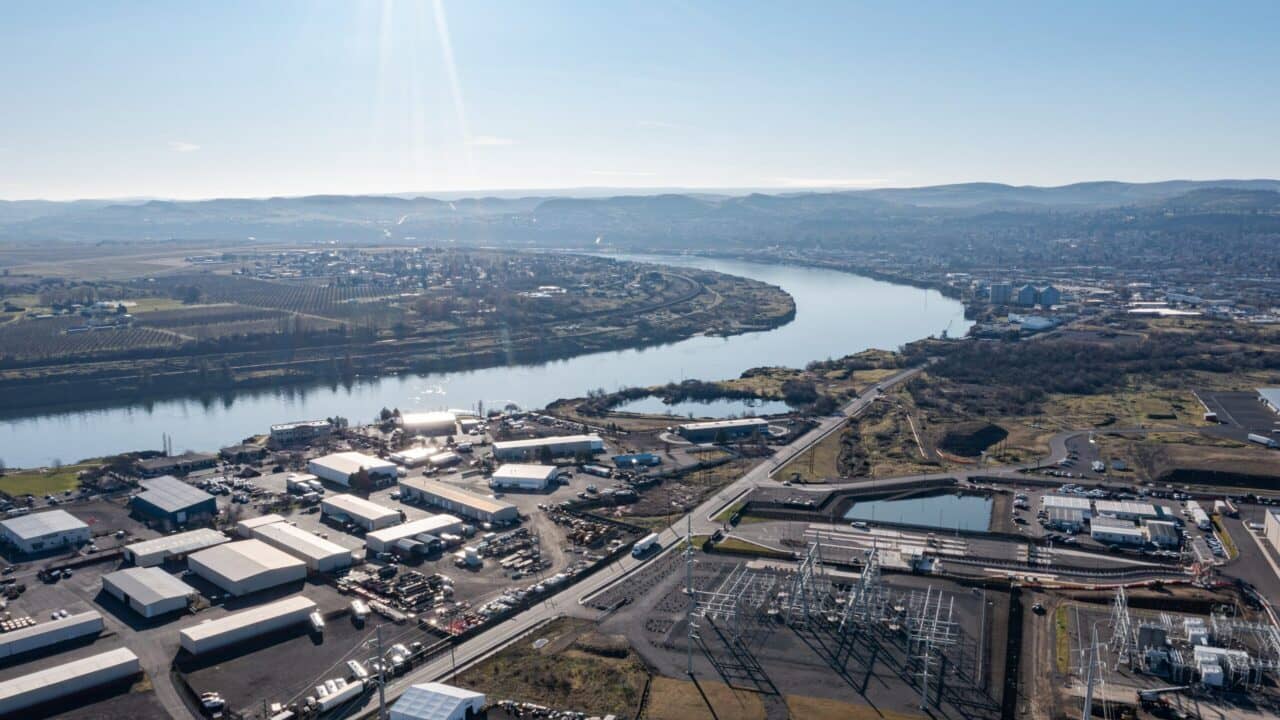
The article includes an aerial view of an electrical power substation along the Columbia River in Oregon, circa March 2026, to illustrate the physical infrastructure involved. The image is credited to Shutterstock/Hrach Hovhannisyan and serves to ground the theoretical discussion of "intelligence per watt" in the physical reality of power distribution networks.
The research posits that the grid's inability to scale alongside AI demands creates a hard ceiling on development. This perspective shifts the narrative away from the performance of individual models and toward the logistical and engineering challenges of powering the systems that run them.
Reevaluating the AI Race
The findings from Stanford University and Together AI suggest a reevaluation of how success in the AI sector is defined. If the grid is the bottleneck, then improvements in energy efficiency may yield greater returns than incremental improvements in chip architecture.
The study indicates that electrical infrastructure is not merely a support service but a defining characteristic of AI capability. The capacity of the grid determines how many models can be trained and run simultaneously, regardless of their theoretical intelligence.
This conclusion aligns with broader discussions regarding critical infrastructure in the context of technological advancement. The report places power grids at the center of the debate over future AI capabilities, suggesting that political and economic factors surrounding energy production will play a larger role than previously anticipated.
The article was published under the "Energy World" blog brand within The National Interest, categorized under Technology and Politics. It addresses topics including Artificial Intelligence, Critical Infrastructure, and Trade, indicating a multidisciplinary approach to the issue of AI constraints.
By highlighting the power grid as the real bottleneck, the research offers a counterpoint to the industry's traditional emphasis on silicon and algorithms. The constraint is no longer just about how smart a model can be, but how much energy it requires to function within the limits of existing electrical systems.