


Commission Moves to Accelerate Accession Process
The European Commission is expected to propose changes to the EU’s enlargement process on Tuesday (6 October), with the stated goal of speeding up the admission of new countries. The proposal comes as candidate nations have waited more than a decade for membership, with no single new country joining the bloc during that period.
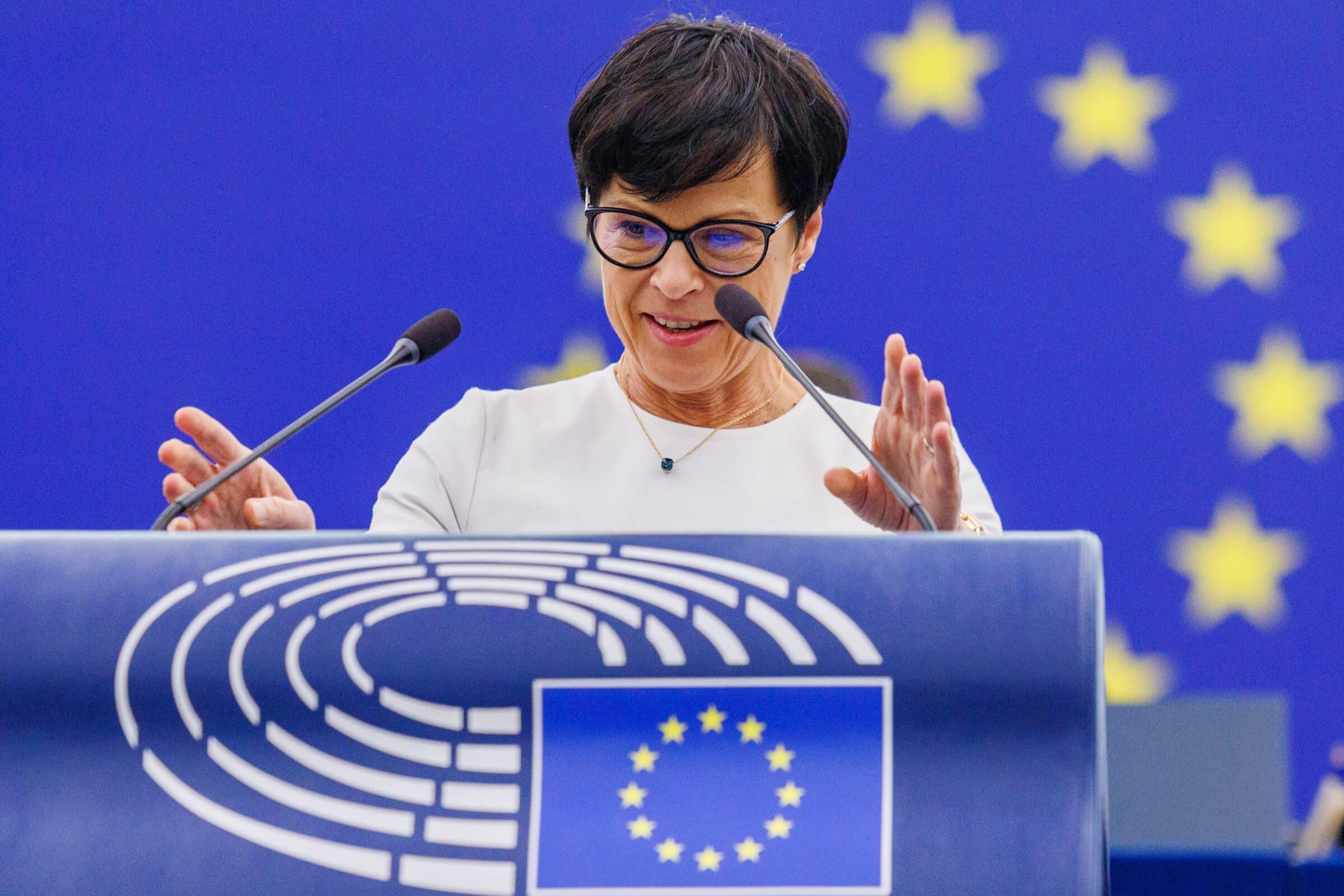
Enlargement commissioner Marta Kos will present the new framework for integrating new member states on Tuesday. The move reflects increasing pressure from EU leaders to strengthen Europe’s international weight amid Russia’s war against Ukraine and a shifting global balance of power.
The Commission aims to alter how enlargement negotiations are approved by making certain decisions easier and faster. Under current rules, EU countries must agree unanimously on key steps, including granting candidate status and opening negotiation chapters. The new proposal seeks to change this approval mechanism while maintaining the requirement for unanimity in the final decision on membership.
A central component of the plan is "gradual integration," which would allow candidate countries to participate in more EU programmes and benefit from specific forms of integration before becoming full members. This approach is designed to make the accession process more flexible for applicants currently in line.
Financial Constraints and Institutional Hurdles
Despite the push for speed, significant obstacles remain regarding financing and institutional capacity. The EU budget is already under pressure, and new members are unlikely to be net contributors to the bloc. Ukraine serves as a primary example of this dynamic; the country would likely receive more funding from the EU than it contributes, particularly through the Common Agricultural Policy and cohesion funds.
To address these financial concerns, the Commission is considering implementing a transition period during which new members would not immediately have full access to all EU programmes. This measure aims to mitigate the immediate fiscal impact of expansion on existing member states.
Questions also persist regarding whether the EU can function effectively as a union of more than 30 countries. Many critical decisions in areas such as foreign policy, taxation, and parts of the budget still require unanimity among member states. Changing these decision-making rules would necessitate treaty reform, a process that is politically sensitive because it requires member states to relinquish veto powers.
Criticism of Institutional Preparedness
Andrew Duff, a former British liberal Member of the European Parliament, has argued that the EU should have initiated discussions about institutional reform earlier. He noted that the bloc failed to prepare adequately for a much larger membership, particularly following Brexit.
The proposed reforms may increase flexibility in the accession timeline, but they do not resolve how to finance enlargement or how to manage a union exceeding 30 countries. EU countries continue to question how the expansion will influence the Union’s operational structure and financial stability as the Commission moves forward with its proposals.