


Record-Breaking Temperatures Drive Consumer Demand
The European continent is currently enduring what officials and meteorological agencies have identified as the worst heat wave ever recorded in the region. This extreme weather event has created immediate and tangible pressures on infrastructure, energy grids, and consumer markets across multiple member states. As temperatures soar well above historical averages for this time of year, residents and businesses are seeking relief from the intense heat.
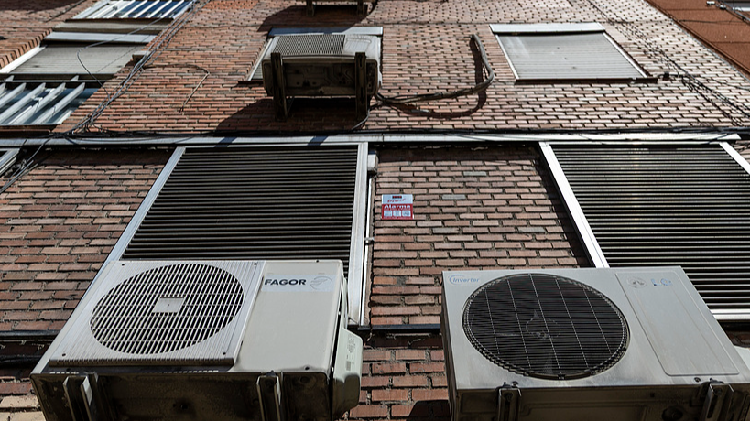
One of the most visible consequences of this meteorological phenomenon is a sharp increase in demand for cooling appliances. Retailers and importers report a significant boom in sales of air conditioners. The urgency to cool homes and workplaces has led to a rapid depletion of stock in physical stores and a corresponding surge in online orders. This consumer behavior reflects a direct response to the environmental conditions, as individuals attempt to maintain livable indoor temperatures during prolonged periods of high heat.
Supply Chain Responses to Climate Stress
The sudden spike in demand has placed new stresses on supply chains that were not originally designed for such rapid fluctuations. Importers are working to replenish inventory levels, relying heavily on global manufacturing hubs to meet the unexpected volume of orders. This logistical challenge highlights the interconnected nature of modern consumer goods markets, where local weather events can have immediate impacts on international trade flows.
Trade Deficit Concerns Intensify Amid Import Surge
While the primary driver for the increase in air conditioner purchases is the immediate need for cooling, the phenomenon has taken on a secondary political dimension within the European Union. The surge in imports has reignited debates regarding the bloc's trade balance with China. Political observers and policymakers are noting that the current wave of consumer spending is contributing to a wider narrative about economic dependencies and trade imbalances.
According to reporting by CGTN, specifically an article titled "What Europe's air conditioner boom says about China-EU trade," the import boom has intensified political debate within the EU regarding its trade deficit with China. The discussion focuses on the volume of goods entering the bloc from Chinese manufacturers. As European consumers purchase these units, often manufactured in or sourced through China, the financial outflow from the EU to China increases, thereby affecting the overall trade metrics.
Political Reactions to Economic Data
The political discourse surrounding this issue is multifaceted. Some voices within the EU are using the current events as evidence of structural issues in European industrial policy and trade relations. The visibility of Chinese-made air conditioners in European homes during a crisis has made the trade relationship more apparent to the general public. This visibility has translated into greater scrutiny from lawmakers who monitor trade statistics closely.
However, the narrative is not uniform across all political factions. While some critics point to the import surge as a negative indicator of economic sovereignty, others argue that it reflects the efficiency of global supply chains in responding to urgent needs. The debate remains active, with no single consensus emerging on how best to address the perceived imbalance. The heat wave serves as a catalyst for these discussions, bringing abstract trade concepts into the immediate reality of daily life for millions of Europeans.
Implications for Future Trade Policy
The intersection of climate events and trade policy is becoming increasingly relevant as extreme weather patterns become more frequent. The current situation provides a case study in how environmental factors can influence economic indicators and political priorities. Policymakers are now tasked with balancing the immediate need for consumer goods against long-term strategic goals regarding trade diversification and domestic production.
The data from this period will likely be analyzed by economists and trade officials to determine the lasting impact of the heat wave on bilateral trade relations. Whether the surge in air conditioner imports represents a temporary anomaly or a trend that will persist as global temperatures rise remains a subject of ongoing analysis. The immediate effect, however, is clear: the worst heat wave in European history has not only tested the limits of public health and infrastructure but also exposed the complexities of international trade dynamics.
As the weather patterns continue to evolve, the political debate over the EU's trade deficit with China is expected to remain a prominent topic. The air conditioner boom serves as a tangible symbol of these broader economic tensions, illustrating how global markets respond to local crises and how those responses are interpreted through the lens of geopolitical strategy.