


Roberts Accuses Manfred of Manipulating Fan Sentiment
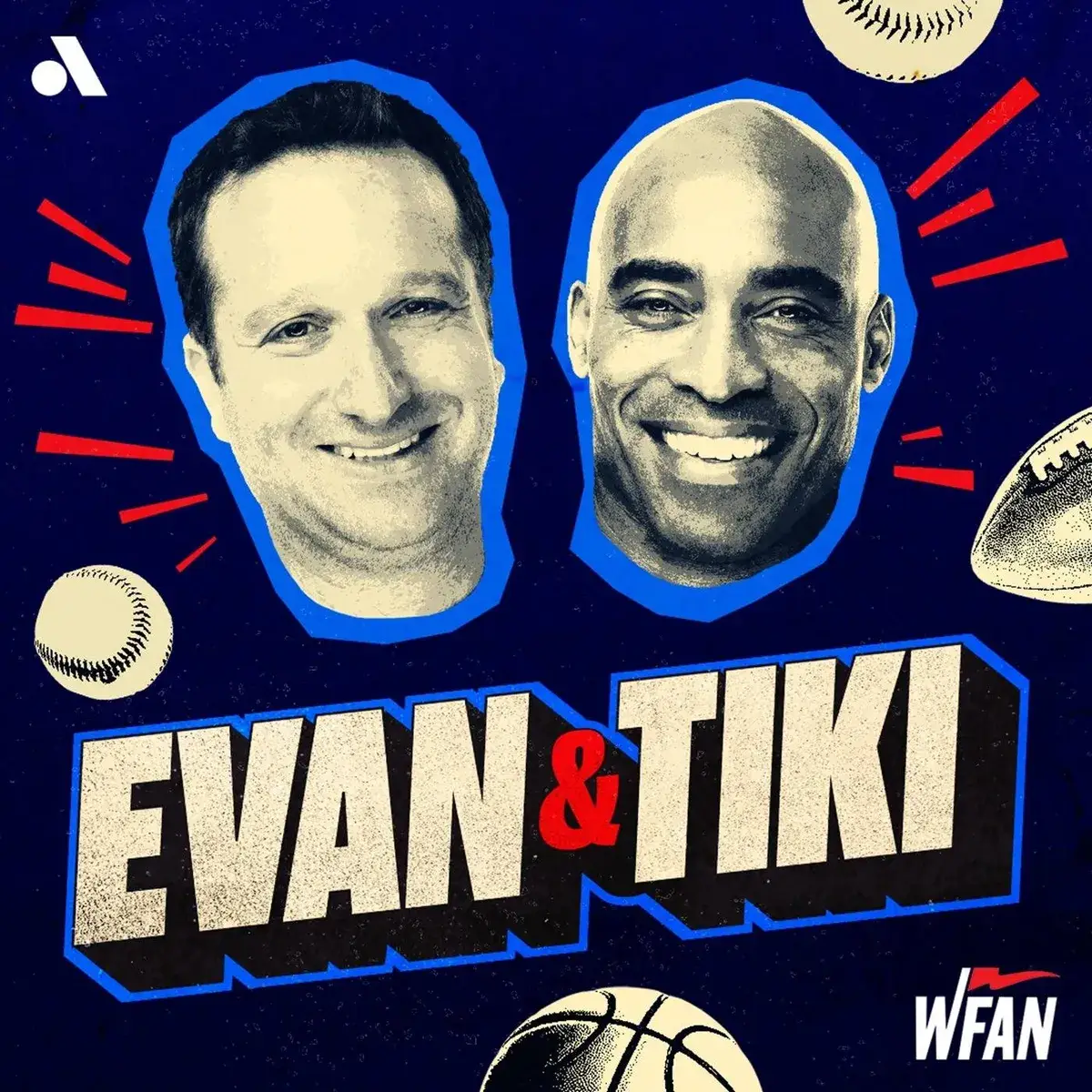
Evan Roberts has launched a scathing critique of Major League Baseball Commissioner Rob Manfred, expressing intense frustration over the commissioner's recent assertions regarding the implementation of a salary cap. According to reports from Audacy, Roberts is furious with Manfred, specifically targeting the commissioner's claim that 70% of baseball fans desire a salary cap. Roberts accuses Manfred of using fans as pawns in a broader conflict between billionaire owners and players, alleging that the commissioner is lying about the true motivations behind the push for a salary cap.
The broadcaster’s anger stems from what he perceives as a deliberate attempt to mislead the public. Roberts blasts Manfred for using fans as an excuse to advance the owners' agenda, accusing him of insulting their intelligence while simultaneously threatening the future of baseball. This confrontation highlights a deepening rift between league leadership and prominent voices within the media who are skeptical of the proposed labor changes.
The Real Battle Over Television Rights
While Manfred frames the salary cap as a response to fan demand, other analysts argue that the underlying issues are far more complex. Tiki Barber has argued that the real battle is not about competitive balance, but rather MLB's fractured television rights and the billions of dollars at stake. This perspective suggests that the push for a salary cap may be less about satisfying public opinion and more about resolving financial disputes related to media distribution.
Roberts and Barber both argue that forcing small-market teams to spend is far more important than restricting high-spending teams like the Yankees, Mets, and Dodgers. This view challenges the traditional narrative that a salary cap is primarily a tool for leveling the playing field by capping expenditures of wealthy franchises. Instead, they suggest that the focus should be on ensuring that all teams are willing to invest in their rosters, regardless of market size.
Support for Structural Changes
Not everyone shares Roberts' skepticism. Shaun Morash strongly supports a salary cap and floor, insisting that such measures are necessary to level the playing field and give smaller markets a fighting chance. This divergence in opinion underscores the complexity of the labor negotiations, with some voices advocating for strict financial controls while others warn against the potential negative impacts on fan trust and team competitiveness.
A Call for Resolution
Amidst the heated rhetoric, Roberts urges both sides to stop fighting publicly and figure out the issue. He fears that with a potential lockout looming, baseball fans will be the ones paying the price. This concern reflects a broader anxiety within the fanbase about the stability of the sport and the potential for labor disputes to disrupt the season.
Roberts proposes a compromise that could force owners to spend without imposing a hard salary cap. This suggestion offers a potential path forward, aiming to address the concerns of smaller markets while avoiding the pitfalls of a rigid financial structure. However, whether this proposal will gain traction remains uncertain as negotiations continue.
Implications for the Future of Baseball
The ongoing dispute between Manfred and Roberts highlights the significant challenges facing MLB as it navigates labor relations in the modern era. The commissioner's reliance on fan sentiment to justify his position has drawn sharp criticism, with Roberts arguing that such tactics undermine the integrity of the negotiation process.
As both sides dig in, the potential for a lockout looms large, raising questions about the future of the sport. Fans are left to wonder whether the league's leadership is truly acting in their best interests or if they are merely pawns in a larger financial game. The outcome of these negotiations will likely have far-reaching consequences for the structure and competitiveness of Major League Baseball for years to come.