


Trump Grants Posthumous Pardon to Pete Rose for 1990 Tax Conviction
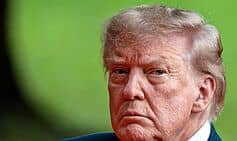
President Donald Trump announced on Thursday, Nov. 19, 2026, that he has issued a "Complete and Total Pardon" to Pete Rose for his 1990 federal tax conviction. The announcement was made via Truth Social, marking a significant political gesture toward the late baseball figure more than two years after Rose's death.
In his statement, Trump described Rose as a "true Baseball SUPERSTAR and LEGEND." He further cited specific statistical achievements in his praise, stating that Rose holds the record of "4,256 Hits in a Season," though the full context of this claim was not elaborated upon in the initial post.
The pardon comes approximately one year after Major League Baseball (MLB) Commissioner Rob Manfred reinstated Rose, effectively ending his lifetime ban from the sport. The timing suggests a continued effort by the former president to influence the narrative surrounding baseball's most controversial figure.
A Long-Standing Advocacy for Recognition
Trump has advocated for years that MLB and the National Baseball Hall of Fame should recognize Rose's accomplishments. Despite meeting with MLB Commissioner Rob Manfred in previous years, Trump maintained criticism of both the league and the Hall of Fame for overlooking Rose.
The president suggested a presidential pardon might be forthcoming in previous years, indicating that this action was part of a long-term political strategy rather than a spontaneous decision. The Daily Express US characterized the move as a "dig at MLB 'politics'," highlighting the tension between the executive branch and the baseball establishment.
Historical Context of the Conviction
Pete Rose had a federal tax conviction in 1990, which served as the legal basis for the pardon. The reinstatement by Commissioner Rob Manfred last spring removed the sporting ban, but the presidential pardon addresses the historical legal stigma associated with Rose's career.
This event underscores the ongoing intersection of sports history and political influence, with Trump using his executive power to reshape the legacy of one of baseball's most polarizing figures.