

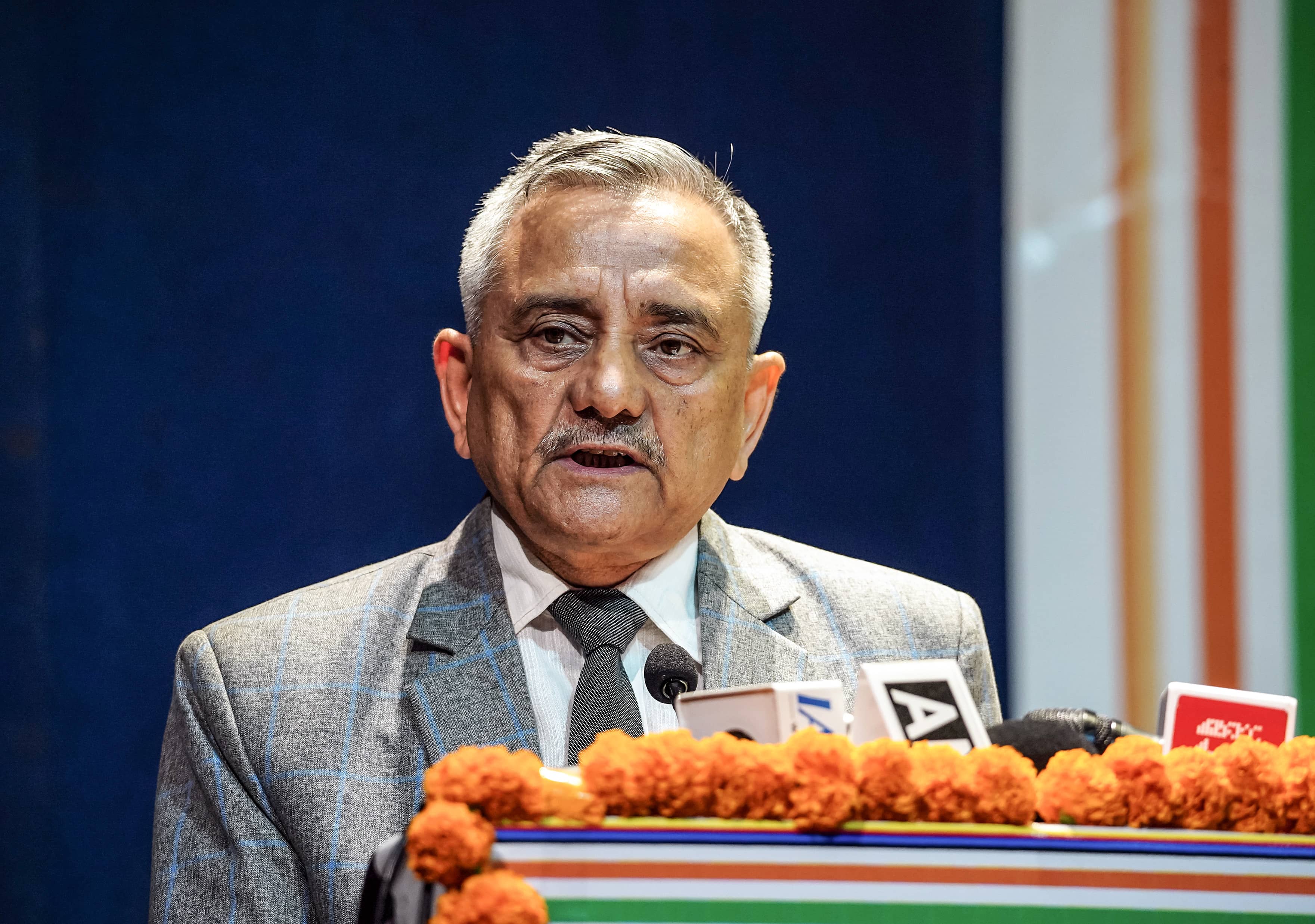

General Chauhan’s Assessment of Regional Security Dynamics
Former Chief of Defence Staff General Anil Chauhan has stated that a recently signed defence agreement involving Pakistan, Saudi Arabia, and Türkiye has resulted in increased confidence for Islamabad. Speaking at the 22nd Govind Ballabh Pant Memorial Lecture held on Saturday, General Chauhan characterized the strategic alignment as a development that requires careful monitoring by New Delhi.
General Chauhan noted that Pakistan remains a cause for concern for India. He advised that Indian authorities need to remain watchful of this specific geopolitical shift. His comments were delivered during a public address focused on contemporary threats facing the nation, providing a platform to discuss evolving security partnerships in the region.
Details of the Mecca Defence Agreement
The defence pact referenced by General Chauhan involves three nations: Pakistan, Saudi Arabia, and Türkiye. The agreement was signed in Mecca, establishing a formal framework for military cooperation among the signatories. While the specific operational details of the pact were not elaborated upon during the lecture, its existence has been cited as a factor influencing regional power balances.
General Chauhan described the impact of this agreement on Pakistan’s strategic posture as having made the country “overconfident.” This characterization suggests that Islamabad may perceive an enhanced security guarantee or expanded capabilities due to the alliance with two other major regional powers. The former CDS did not specify the exact nature of this overconfidence, whether it pertains to military posturing, diplomatic leverage, or internal strategic planning.
Implications for Indian Strategic Posture
In his address, General Chauhan emphasized that India must maintain a vigilant stance in response to the Mecca Defence Agreement. He identified Pakistan as an ongoing cause for concern, indicating that traditional security challenges persist despite broader geopolitical shifts. The advice to remain watchful implies that New Delhi should monitor the activities and capabilities of the tripartite alliance closely.
The 22nd Govind Ballabh Pant Memorial Lecture served as the venue for these remarks. The event, named after the prominent Indian politician and former Home Minister, typically addresses critical national security and policy issues. General Chauhan’s participation in this forum allowed him to outline specific threats he perceives from neighboring states.
General Chauhan’s statements highlight a perception of growing assertiveness from Pakistan following its entry into the defence pact with Saudi Arabia and Türkiye. The former CDS did not provide evidence of immediate military movements or diplomatic incidents resulting from the agreement, but rather offered an assessment of the psychological and strategic impact on Islamabad.
Context of the Memorial Lecture
The lecture series is named for Govind Ballabh Pant, a key figure in India’s independence movement and early post-independence governance. The 22nd iteration of this event brought together military and political analysts to discuss current threats. General Chauhan’s remarks were part of a broader discussion on national security, with specific focus on cross-border dynamics.
No other speakers at the lecture provided immediate counter-arguments or alternative assessments of the Mecca Defence Agreement during the session. The comments stand as the primary public statement from a former top military official regarding the specific impact of this tripartite pact on regional confidence levels.
Strategic Monitoring and Regional Balance
General Chauhan’s assertion that Pakistan has become overconfident suggests a potential change in behavior or rhetoric from Islamabad. However, he did not cite specific examples of such behavior during the lecture. The focus remained on the need for India to observe these developments rather than to take immediate countermeasures.
The involvement of Saudi Arabia and Türkiye in the pact with Pakistan adds a layer of complexity to regional security. Both nations are significant players in the Middle East and have their own strategic interests. General Chauhan’s comments link this Middle Eastern alignment directly to India’s northern border concerns, specifically regarding Pakistan.
As of Saturday, when the lecture took place, there were no official responses from the Pakistani government or the Saudi and Turkish authorities regarding General Chauhan’s characterization of their agreement as a source of “overconfidence.” The remarks remain an assessment from a former Indian military leader rather than a verified change in operational capabilities.
The discussion at the 22nd Govind Ballabh Pant Memorial Lecture underscored the enduring nature of security challenges between India and Pakistan. General Chauhan’s warning to remain watchful reflects a cautious approach to the evolving alliances in the region, particularly those that could alter the strategic balance of power.