


Mount Kailash: A Sacred Peak's Evolving Journey
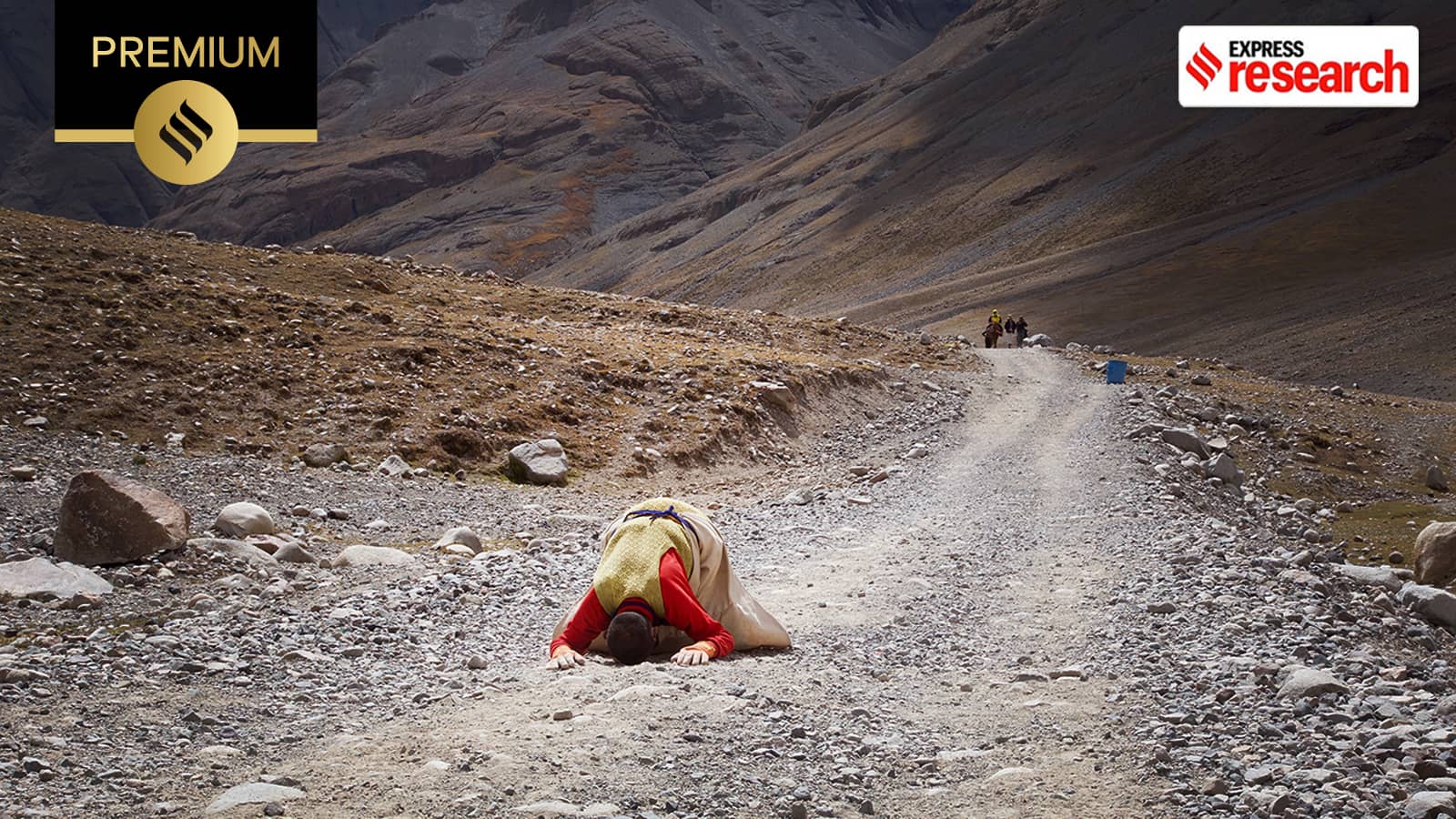
For centuries, reaching Mount Kailash, a mountain revered as sacred by multiple faiths, demanded an extraordinary commitment from pilgrims. The journey historically required traversing some of the most difficult and unforgiving terrain in the Himalayas, often on foot. These arduous treks tested the physical and spiritual limits of travelers, making the mountain accessible only to those willing to endure significant hardship.
Sandeshya Rayapa, a faculty member at Jawaharlal Nehru University, recently highlighted this historical reality while discussing contemporary environmental challenges in the region. Rayapa belongs to the Rung community, an indigenous Himalayan group predominantly residing on the Indian side of the Himalayas. For her community, the mountain has long been intertwined with a legacy of challenging physical access, shaping their cultural and spiritual relationship with the landscape.
However, this ancient landscape is undergoing a dramatic transformation. In recent years, the introduction of new roads and extensive infrastructure projects has fundamentally altered how pilgrims and tourists can reach the sacred site. This significant shift towards easier accessibility is now raising critical questions concerning the nature of development projects in the Himalayas and the ecological limits of the fragile mountain environment. The stark contrast between the historical requirement of crossing rugged, remote terrain and the modern ease of road access underscores a profound change in the pilgrimage experience.
Human Choices Intensify Himalayan Devastation
The transformation of Mount Kailash into a more accessible destination has ignited a crucial debate regarding the underlying causes of devastation frequently observed across the Himalayan region. Following a series of severe floods that impacted Nepal, Sandeshya Rayapa shared her observations on social media, directly challenging the conventional classification of such events.
Rayapa contended that every time a calamity strikes the Himalayas, it is routinely labeled a "natural disaster." She argued, however, that a deeper inquiry is necessary to ascertain the extent to which the devastation is intensified by human choices. These choices, she elaborated, encompass a prevailing and often unchecked idea of development, the proliferation of excessive tourism, a widespread disregard for ecological limits, and a persistent insistence on making every remote mountain area fully accessible. Her comments reflect a broader, increasingly urgent discussion among experts and local communities about how human activity may significantly exacerbate the impact of inherently natural events. The rapid introduction of infrastructure, while offering convenience, has undeniably altered the delicate relationship between human visitors and the mountain environment, leading to profound concerns about long-term sustainability. Critics of this accelerated development suggest that the relentless push to open up previously inaccessible areas contributes directly to ecological strain, making the region more vulnerable to environmental catastrophes.
Geopolitics and Faith Define Modern Pilgrimage
The esteemed status of Mount Kailash as one of the world's most revered modern pilgrimage sites is not solely a product of recent infrastructure advancements. Its current prominence is the result of a complex and interwoven interplay of deep-seated faith, the enduring legacy of colonial history, and intricate geopolitical dynamics.
Historically, the mountain's accessibility was primarily constrained by its formidable geography. The extremely difficult terrain served as a natural barrier, effectively limiting the flow of visitors to only those individuals or small groups willing to undertake long, arduous treks. This inherent isolation not only contributed to the mountain's profound spiritual reputation but also, by its very nature, restricted its exposure to mass tourism and widespread human impact.
The contemporary shift from a remote, hard-to-reach sacred site to a destination increasingly accessible by modern roads marks a pivotal change in the pilgrimage experience. This transition has prompted extensive analysis of how colonial-era policies and subsequent geopolitical boundaries have profoundly influenced who can visit the site, the routes they must take, and the conditions under which they are permitted to undertake the journey. The intersection of these historical and political factors, alongside the unwavering spiritual devotion, has collectively defined the modern pilgrimage to Mount Kailash, shaping its pathways and its future.
Ecological Balance Under Threat from Development
The advent of new roads and extensive infrastructure in the Himalayan region, particularly around Mount Kailash, has significantly intensified discussions surrounding ecological sustainability. Experts, environmentalists, and local community members alike are now closely examining the potential long-term effects of this increased accessibility on the fragile mountain ecosystem, which is highly susceptible to disturbance.
A primary concern is that the combination of excessive tourism and ambitious development projects may lead to a widespread disregard for the inherent ecological limits of the region. This disregard, many argue, is a critical factor that intensifies the impact of natural calamities, such as the devastating floods that have recently affected parts of the Himalayas. The argument posits a direct link between human choices in infrastructure planning and development, and the ultimate severity of environmental outcomes. Unregulated construction, increased waste, and altered natural drainage patterns are cited as examples of how human activity can amplify natural hazards.
For indigenous communities like the Rung, these profound changes are far from abstract; they represent a fundamental and often challenging shift in the relationship between their people and the sacred landscape they have inhabited for generations. The move from traditional foot travel to modern road access not only alters the physical experience of the pilgrimage but also impacts the cultural practices and spiritual connection to the mountain. This ongoing transformation forces a critical examination of the delicate balance between the perceived benefits of development and the imperative of ecological and cultural preservation.