

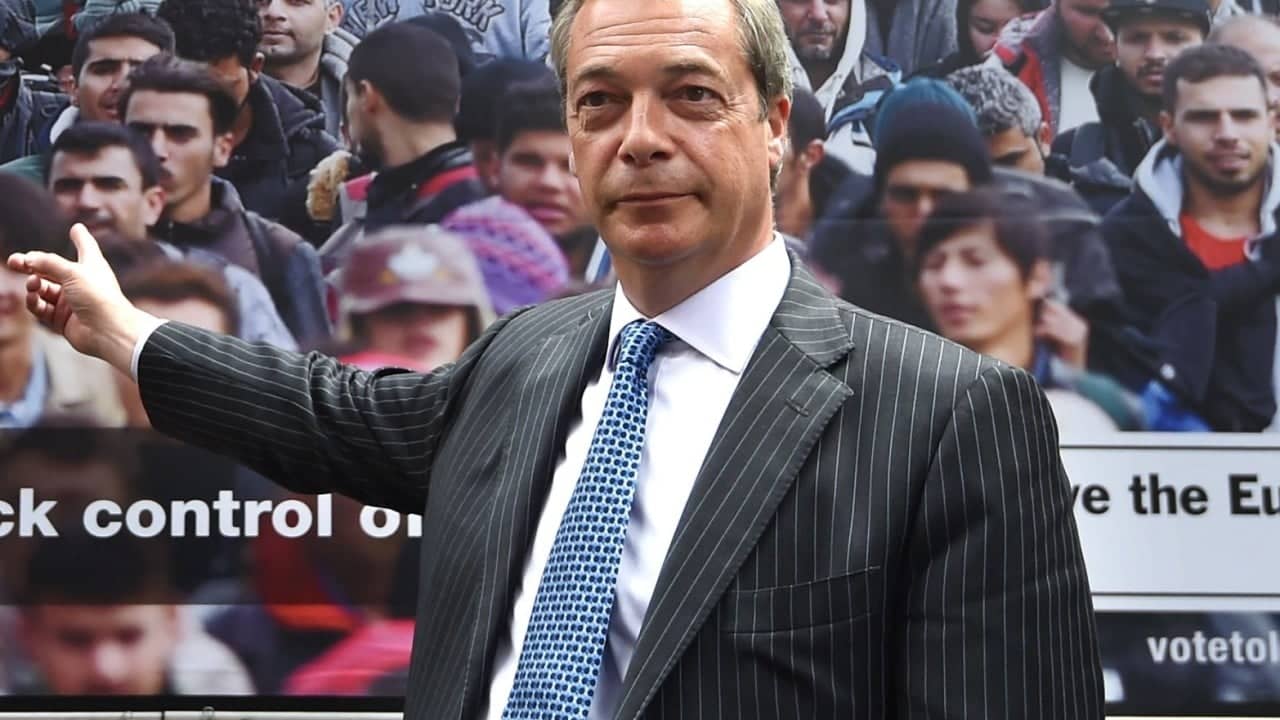

Reform UK Leader Faces New Scrutiny Over Unreported Benefits
Nigel Farage, the leader of Reform UK, encountered fresh allegations concerning the non-disclosure of gifts on Sunday. The controversy emerged after a newspaper report indicated that a convicted fraudster had paid for Farage's security and staff prior to his appointment as a Member of Parliament.
An MP stated they requested an investigation into these new claims from parliament’s standards commissioner. This request targets the leader of Reform UK, an anti-immigration party that is currently leading in opinion polls according to available data.
Existing Investigation and New Claims
Farage remains under active investigation by the parliamentary anti-sleaze watchdog regarding a separate matter involving the non-disclosure of a donation. The specific amount reported for this previous controversy was £5 million, which is equivalent to US$6.6 million at current exchange rates.
The source of that earlier undisclosed sum was identified as a cryptocurrency billionaire based in Thailand. This separate investigation runs parallel to the new allegations brought forward by media reports regarding payments from George Cottrell.
Details on Payments and Criminal History
A report published by The Sunday Times provided specific details about the nature of the alleged financial benefits received by Farage’s campaign organization. According to the newspaper, George Cottrell is a 32-year-old cryptocurrency entrepreneur who comes from an aristocratic family.
The article notes that Cottrell rents a mansion located near Buckingham Palace where Farage has reportedly stayed during his political activities in London. The report further alleges that Cottrell paid for Farage’s security personnel and staff members working on social media platforms shortly before Farage announced his return to frontline politics in 2024.
Biographical information regarding Cottrell includes a criminal record involving financial crimes. British media reported that Cottrell pleaded guilty to wire fraud charges in the United States in 2017. Following this conviction, he served an eight-month jail sentence for his offenses related to fraudulent activities abroad.
Paper Trail and Regulatory Requirements
The allegations center on whether Farage complied with regulations regarding the registration of gifts received by political figures. MPs are legally required to register certain benefits they receive within a specific timeframe relative to an election cycle.
According to parliamentary rules, Members must declare payments in kind or other forms of benefit if these were received within 12 months prior to their election unless there is evidence that the gift was not reasonably related to political activity. The failure to register such benefits could constitute a breach of conduct standards set by parliament.
The Sunday Times report specifically highlights the timing of Cottrell’s payments, noting they occurred shortly before Farage re-entered active campaigning in 2024. This timing places the alleged gifts within the window that typically triggers mandatory disclosure requirements for newly elected or returning MPs.
Political Context and Current Standing
The allegations surface at a time when Reform UK holds a leading position in national opinion polls. The party’s standing as an anti-immigration group is central to its current political messaging, though the specific nature of this stance was not detailed beyond the description provided by news outlets covering the story.
Farage’s response to these allegations has been characterized in reports as referring the matter back to parliament’s standards watchdog. This action suggests a reliance on existing oversight mechanisms rather than issuing a direct public rebuttal within the available reporting text.
Multimedia and Reporting Sources
The story was published by Agence France-Presse with updates provided throughout the day, indicating ongoing developments in how media outlets cover the situation. The report includes audio elements for listeners to hear details read at varying speeds, ranging from 0.8x up to 1.75x playback rates.
Visual and textual coverage of the story emphasizes the connection between Cottrell’s aristocratic background in London and his alleged financial support for Farage’s campaign operations near Buckingham Palace. The proximity of these activities to government institutions adds a layer of complexity often scrutinized by standards commissioners.
Additional context provided includes advertisements inserted within the digital publication, which is standard practice for online news platforms but does not alter the factual claims regarding Farage’s political conduct or Cottrell’s legal history. The reporting maintains a focus on verified dates and locations as stated in primary sources.
As of July 6, 2026 according to publication timestamps, the situation remains under review by parliamentary officials who are tasked with determining whether breaches of conduct rules have occurred based solely on disclosed information from media reports. No final determination has been issued regarding the validity of either the £5 million donation claim or the security payments alleged in The Sunday Times article.
The investigation into Cottrell’s role continues to be framed by his prior conviction for wire fraud, which serves as a distinguishing factor when comparing him to other donors who may not have similar criminal records. This distinction is relevant because it influences how parliamentarians might view the legitimacy of accepting financial support from an individual with such a history.
MPs involved in requesting investigations are expected to weigh whether payments for security and social media staff constitute political benefits that must be declared under current statutes. The definition of “reasonably related” remains the key legal threshold determining disclosure obligations, yet no official ruling has been made on how this specific case fits within those parameters.
Public discourse surrounding Farage includes references to his leadership role and polling position, but these elements are presented as factual observations rather than interpretations of intent or character. The narrative focuses strictly on reported events and regulatory frameworks without speculating on outcomes beyond what is explicitly stated in source materials.