

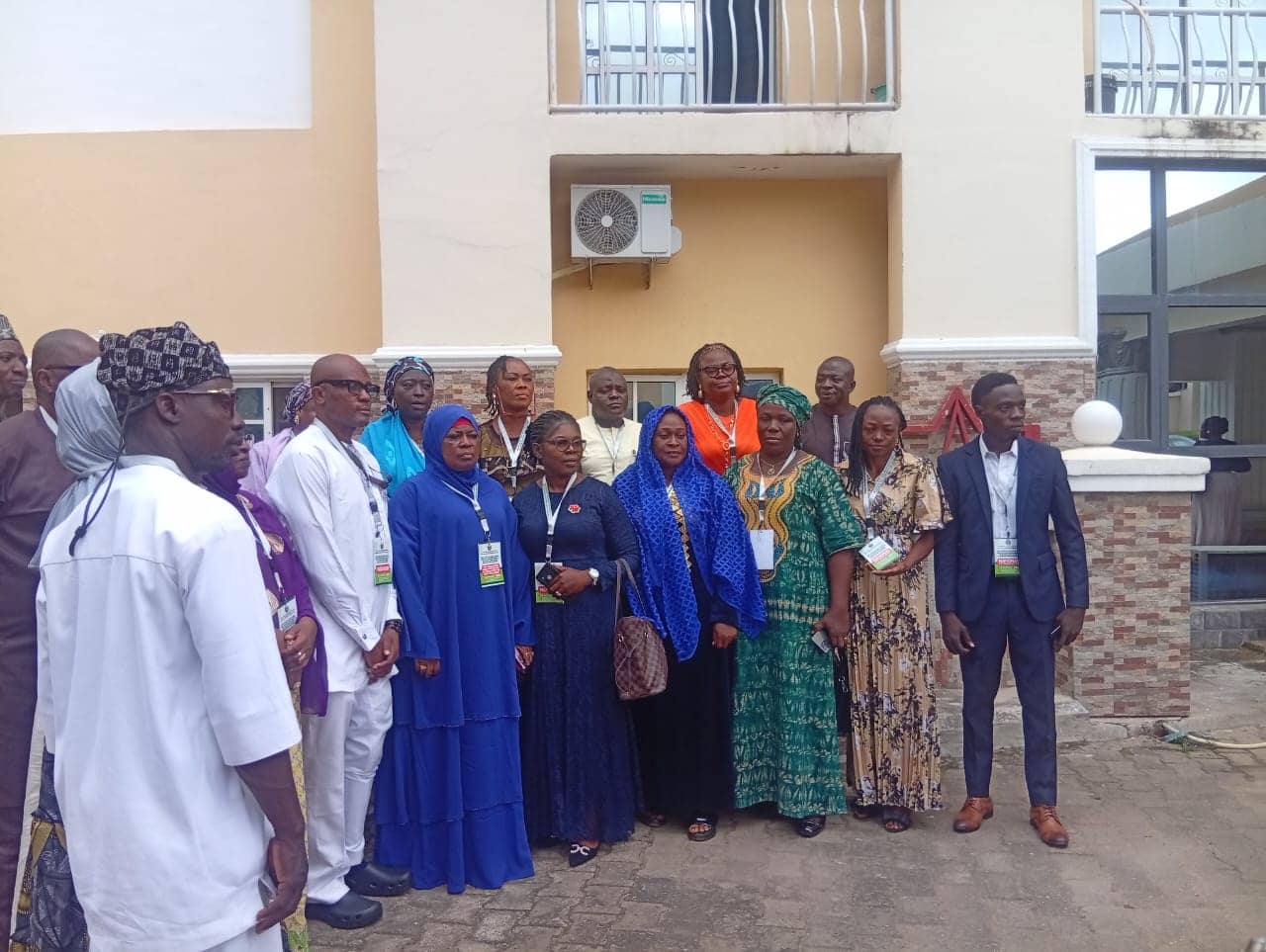

Collaborative Push for Policy Reforms at Minna Workshop
The Federal Ministry of Women Affairs and North Central States are currently advancing a series of policy reforms designed to expand women's access to finance, agribusiness, technology, and political participation. These initiatives also include efforts to strengthen child protection mechanisms and social inclusion programs across the region.
These specific proposals became the central theme during a three-day North Central Pre-Council Zonal Technical Workshop held in Minna. The gathering served as a designated platform for various stakeholders to harmonize their recommendations, which are now set for consideration at the upcoming 26th National Council on Women Affairs.
Representing the Permanent Secretary of the Federal Ministry of Women Affairs was Esuabana Nko Asanye. She spoke alongside Chukwu Ifunanya Salome, who holds the title of Principal Administrative Officer within that same ministry structure.
In their statements:
Esuabana Nko Asanye stated that the Federal Ministry remains committed to advancing women's economic empowerment. She emphasized a dedication to ensuring gender equality and social protection through specific policy developments intended to improve lives.
The National Council on Women Affairs is identified by ministry officials as a key forum for creating policies that support sustainable livelihoods, healthcare access, education systems, and broader economic opportunities specifically tailored for women in the region.
Scope of Recommendations and Review Processes
During the proceedings at Minna, participants were encouraged to provide practical recommendations. The scope of these submissions covers specific areas including gender mainstreaming strategies, child rights enforcement, reproductive health services, social welfare programs, and the inclusion of vulnerable groups within existing frameworks.
A significant portion of the workshop agenda was dedicated to a review process involving resolutions from the 25th National Council on Women Affairs. Officials noted that examining these past decisions is essential before moving forward with new proposals for the upcoming council session.
Strategic Alignment and Stakeholder Engagement
The collaboration between the Federal Ministry of Women Affairs and North Central States aims to harmonize recommendations effectively. This alignment ensures that local insights from the Minna workshop are integrated into national policy discussions before they reach the National Council level.
Stakeholders at the technical workshop focused on practical implementation details rather than theoretical frameworks alone. The goal is to ensure that policies developed can be enacted with measurable impact on women's financial inclusion and child safety protocols in North Central Nigeria.
Ministry Commitment to Economic Empowerment
The Federal Ministry of Women Affairs has articulated a clear commitment to advancing women's economic empowerment through these policy reforms. This approach includes integrating technology access into agribusiness models for female farmers and entrepreneurs within the North Central region.
According to Esuabana Nko Asanye:
The ministry views the National Council on Women Affairs as a strategic platform necessary for developing policies that promote sustainable livelihoods. Officials believe this forum is critical for addressing issues related to healthcare, education, and economic opportunities.
In addition to financial inclusion, the reforms target political participation rates among women in North Central states. The ministry argues that increasing representation in local governance structures supports broader social protection goals.
Focus on Child Protection and Social Inclusion
The policy agenda extends beyond economic metrics to include strengthening child protection initiatives. Participants were urged to submit recommendations concerning the inclusion of vulnerable groups, ensuring that children remain a priority within these new frameworks.
Social welfare programs are being reviewed alongside reproductive health services as part of the broader social protection strategy. The workshop emphasized that policies must address the needs of diverse populations without leaving specific demographics behind.
Next Steps for Policy Harmonization
The recommendations gathered during this three-day technical session will be harmonized before presentation to the 26th National Council on Women Affairs. This process ensures consistency between regional priorities and national policy objectives set by the Federal Ministry of Women Affairs.
All submitted proposals regarding gender mainstreaming, child rights, reproductive health, social welfare, and vulnerable group inclusion are currently under review for their potential integration into upcoming legislative agendas.
The workshop concluded with stakeholders expressing a unified commitment to advancing these reforms. The next phase involves translating the harmonized recommendations from Minna into actionable policy documents that will guide implementation efforts across North Central states.