

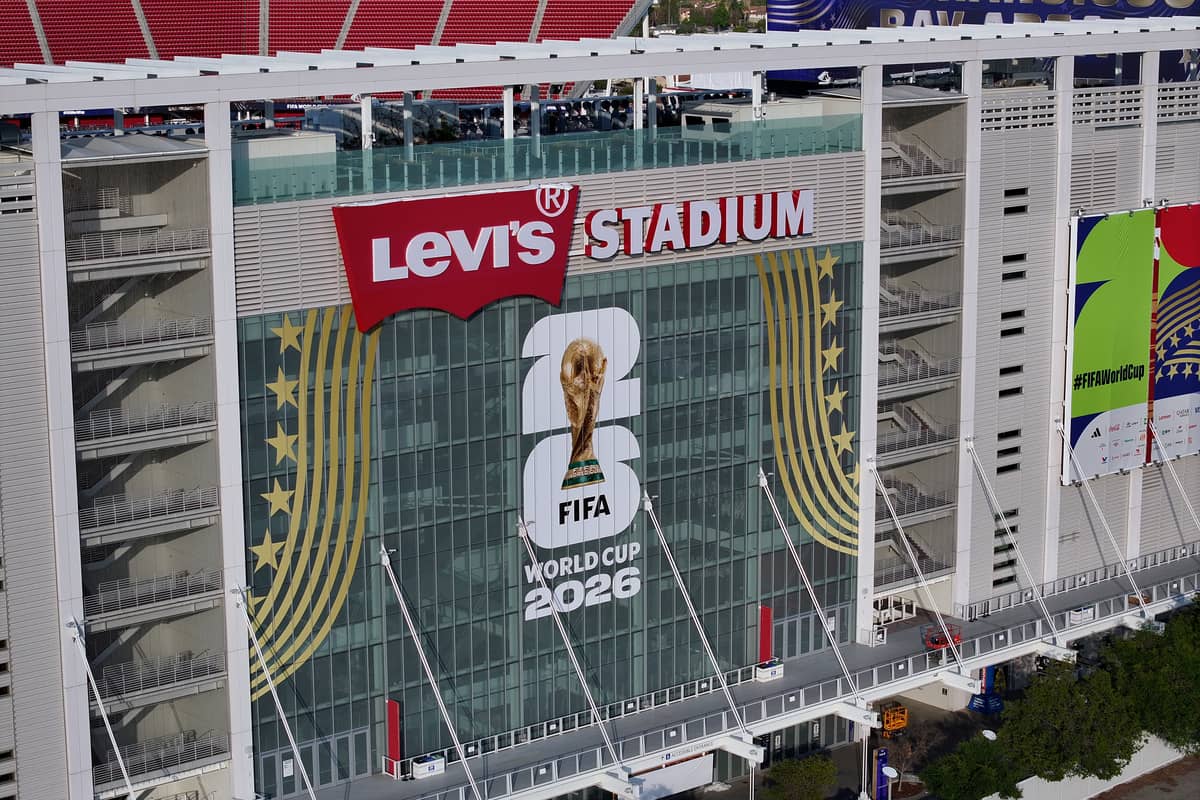

FIFA's Stated Neutrality Versus Geopolitical Realities
\nThe 2026 FIFA World Cup began surrounded by a contradiction that extends far beyond the boundaries of the football pitch. While FIFA insists on presenting football as a neutral space capable of uniting peoples and nations above political disputes, the tournament hosted by the United States, Canada, and Mexico has reportedly exposed a different reality: geopolitics continues to determine who can travel, compete, and be represented at the world\u2019s largest sporting event.
\nImmigration Policies and Travel Restrictions
\nIn the opening weeks of the competition, referees were reportedly prevented from entering the United States. Accredited professionals were deported, officials encountered visa obstacles, delegations faced immigration-related harassment, and supporters had their travel plans disrupted by administrative decisions taken by U.S. authorities.
\nSeveral participants in the 2026 FIFA World Cup, including players, referees, officials, journalists, and fans, have reported difficulties with U.S. visa and entry procedures. These issues have led to accusations that tournament access is uneven and influenced by nationality and geopolitical circumstances.
\nFIFA\u2019s Position on Host Country Authority
\nFIFA has stated that immigration decisions are the responsibility of individual host governments and are outside FIFA's authority. FIFA President Gianni Infantino has acknowledged concerns about visa issues but has also stated that FIFA is not involved in host country immigration processes.
\nU.S. Travel Bans and Specific Country Impacts
\nThe U.S. government has implemented travel policies that ban or restrict visitors from several World Cup participating countries, citing national security concerns. A U.S. travel ban affects citizens of 39 countries, including World Cup participants Haiti, Iran, Ivory Coast, and Senegal.
\nThis ban has prevented many ordinary fans from these nations from obtaining visas to attend matches in the United States. Exemptions to the U.S. travel policies were made for athletes, coaches, and essential support staff, but not for general fans.
\nSpecific Cases of Visa Denials
\nFifteen members of the Iranian Football Federation were reportedly denied visas. The Iranian Football Federation accused visa rejections of being \u201cvindictive behavior.\u201d Iran's national team reportedly relocated its training base from Arizona to Mexico due to security and diplomatic concerns.
\nIranian players reportedly entered the U.S. only for matches and returned to Mexico immediately afterward. Somali referee Omar Abdulkadir Artan was denied entry into the United States and will be unable to officiate at the tournament.
\nJibril Rajoub, president of the Palestinian Football Association, was reportedly denied a U.S. visa.
\nJersey Design Controversy
\nHaiti was required to alter its national team jersey design because FIFA deemed elements depicting the Battle of Vertieres, a historical event related to Haiti's independence, to be political. The kit manufacturer stated the design was intended as a tribute and not a political statement, but FIFA determined certain visual elements could be interpreted differently under its equipment regulations.
\nVisa Bond Program
\nA separate visa bond program initially required fans from five African nations to pay deposits of up to $15,000, though this was temporarily suspended for ticketed fans.
\nCriticism and Human Rights Concerns
\nHuman rights organizations have issued travel warnings, citing concerns about potential rights violations due to U.S. immigration policies and the presence of U.S. Immigration and Customs Enforcement (ICE) agents at stadiums.
\nCritics argue that FIFA's stance on neutrality is selective and that the organization\u2019s actions sometimes contradict its stated principles."