


Historical Milestones in Catalan Women’s Activism
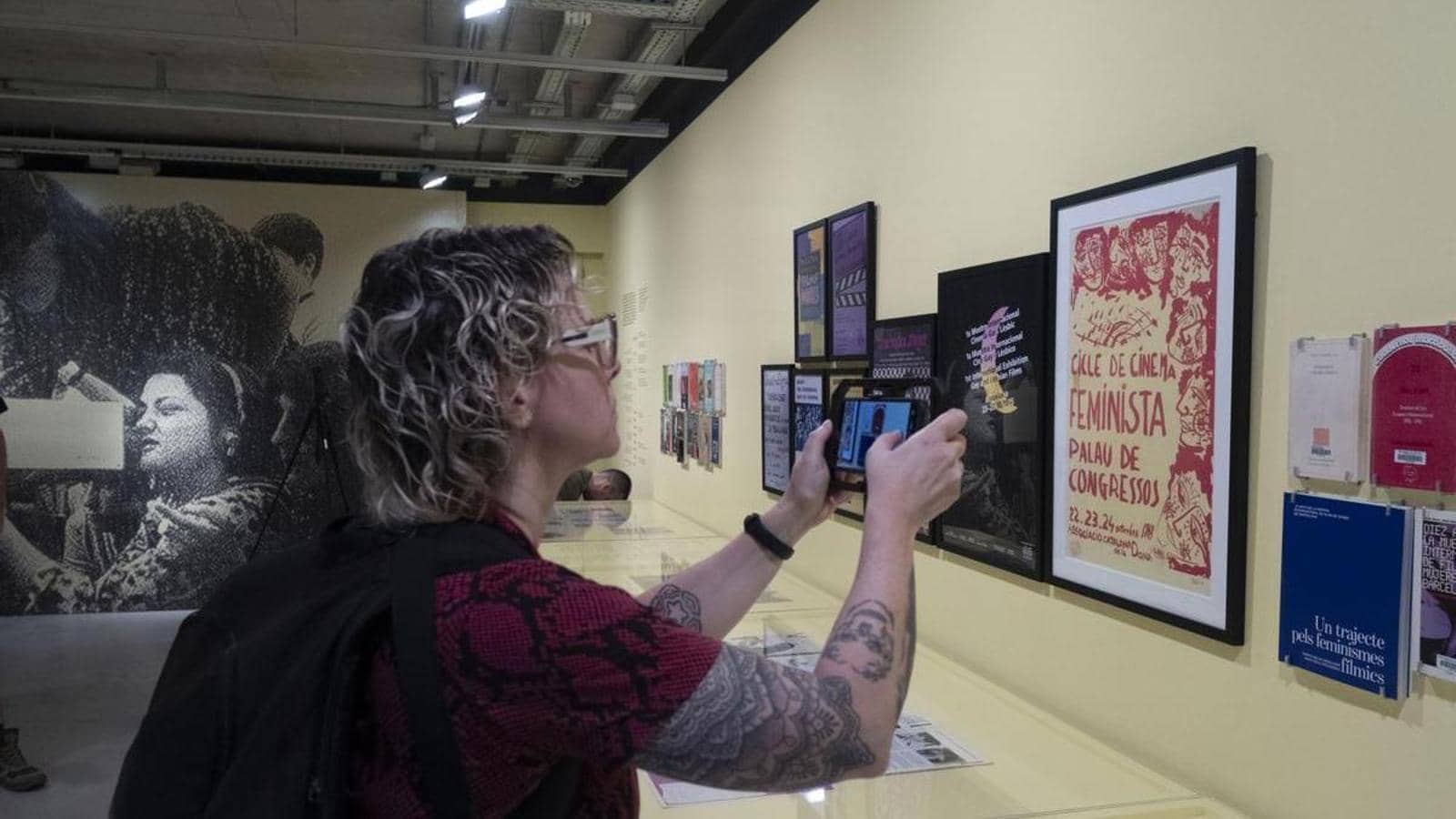
The Filmoteca de Catalunya is currently hosting an exhibition titled “Film Feminisms 1976-2026.” This presentation runs until November 29. The event commemorates fifty years of female filmmakers and collaborative activism within the region.
The exhibition draws a direct connection to the First Catalan Women’s Congress, which was held between May 27 and 30, 1976. According to documentation provided by the institution, that gathering brought together more than three thousand women. These attendees packed a venue where current legislation indicates a maximum permitted capacity of four hundred people.
Reports describe the success of this First Catalan Women’s Congress as overwhelming. The participants came from an era described in sources as a dictatorship, which had relegated them to secondary status. Despite these conditions, they aspired to many changes and sought to assemble together. Furthermore, records indicate that women attended hand in hand with the most diverse social and political sectors available at the time.
Fifty years after this milestone event, curators state that the Filmoteca de Catalunya has not wanted to limit itself to an exercise in historical nostalgia. Instead, organizers propose a dialogue between generations and inspiration to imagine futures for contemporary society through cinema.
Curation Team and Exhibition Structure
The exhibition “Film Feminisms 1976-2026” is curated by Alexandra Laudo. The project received advice from Anna Solà and Marta Selva during its development phase.
Role of Film Editing in the Presentation
Pilar Monsell handled the film editing for the exhibition. According to descriptions provided, this team effort demonstrates how the camera can break down walls and inspire new futures within the cultural landscape.
The presentation brings together works by Carla Simón, Mar Coll, Eugènia Balcells, and Emma Cohen. These filmmakers are featured as part of a broader collection intended to rethink the present through historical comparison.
Exhibition Availability and Public Access
The exhibition is open for public viewing until November 29. Visitors can access materials that highlight how cinema dismantles barriers across different decades. The presentation serves as a platform where current legislation regarding venue capacity contrasts with the historical gathering sizes from 1976.
Comparative Context of Venue Capacity
Sources note that while modern regulations limit spaces to four hundred people, the original event in May 1976 accommodated over three thousand attendees. This disparity highlights the shift in social conditions and legislative frameworks regarding public gatherings during a dictatorship versus current standards.
Focus on Contemporary Relevance
The exhibition aims to connect historical activism with present-day filmmaking practices. By featuring directors like Carla Simón alongside earlier figures such as Eugènia Balcells, the presentation creates a bridge between past struggles and current artistic expressions.
Intent of Intergenerational Dialogue
Organizers state that the primary goal is to propose dialogue between generations rather than simply preserving history for nostalgic purposes. This approach allows visitors to see how collective struggle from 1976 informs contemporary collaborative activism among female filmmakers.
Specific Contributions of Featured Filmmakers
The inclusion of Emma Cohen and Mar Coll in the exhibition underscores a commitment to showcasing diverse voices within Catalan cinema. Their works are presented alongside those of Carla Simón, who has gained international recognition for films addressing social themes.
Role of Eugènia Balcells
Eugènia Balcells is featured as a significant figure in the history being commemorated. Her inclusion reflects the exhibition’s dedication to honoring women who worked during periods when their contributions were often marginalized.
Legislative and Social Context
The description of attendees coming from a dictatorship provides context for why such a large gathering was significant in 1976. The fact that they aspired to many changes despite relegation indicates the political climate surrounding the event.
Diversity of Political Sectors
Documentation confirms that participants represented diverse social and political sectors. This diversity suggests a broad coalition formed during the congress, which may have influenced subsequent legislative or cultural developments in Catalonia.