

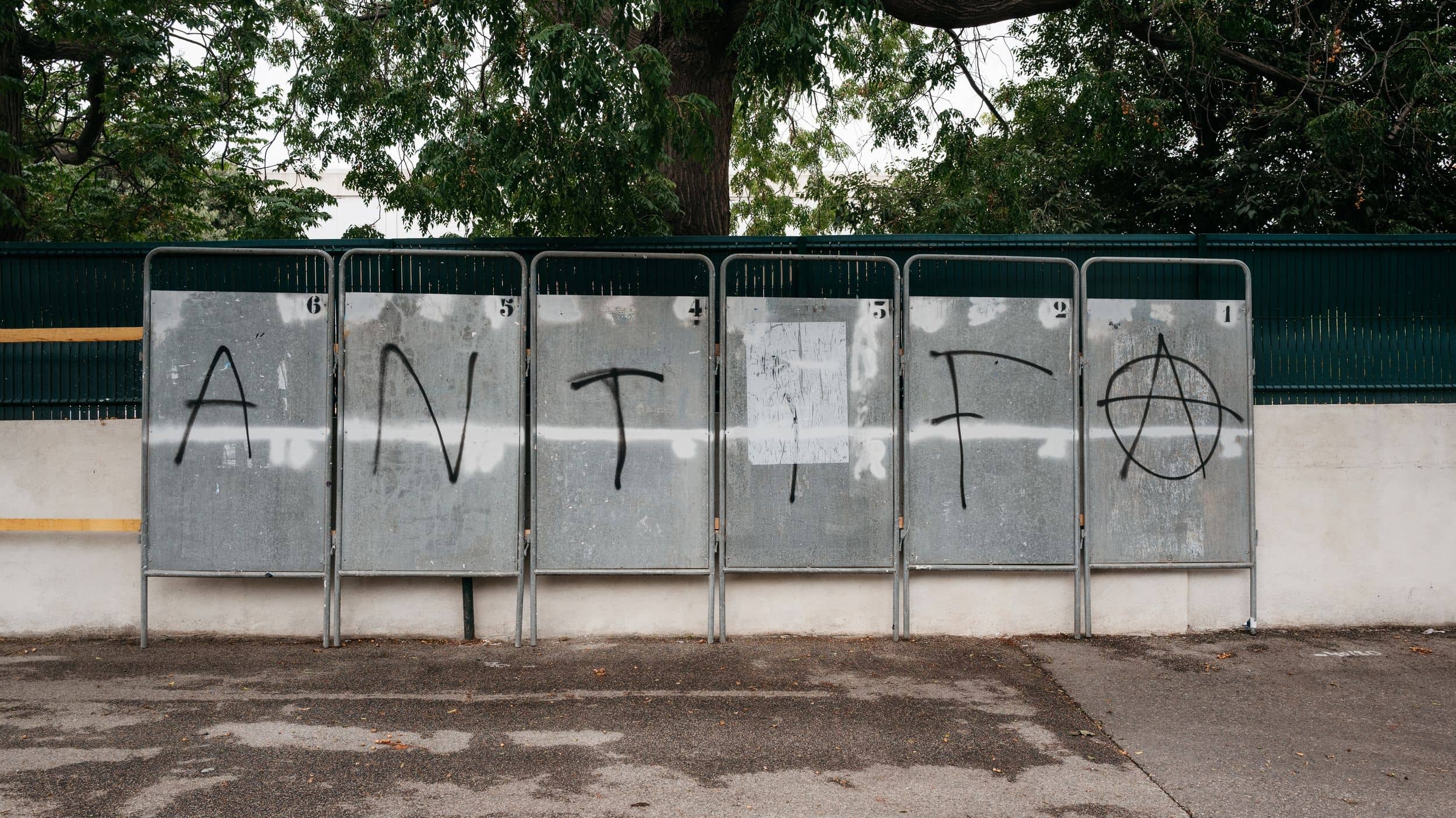

Trump Administration Frames Far-Left Terrorism as Global Security Priority
Secretary of State Marco Rubio has extended invitations to senior ministers from more than 60 countries to attend a scheduled meeting focused on what the Trump administration identifies as a significant threat. The specific subject matter for this gathering is described by officials in Washington as the resurgence of transnational far-left terrorism.
This initiative represents an effort by the current administration to enlist international partners in addressing security concerns related to groups categorized under that designation. Documents reviewed by The Washington Post confirm that Rubio has personally led these diplomatic overtures, positioning the issue as a major peril requiring coordinated global response.
The meeting is scheduled to take place during the week following July 9, 2026. This timeline places the event in immediate proximity to current reporting dates from late June and early July of that year. The administration has not publicly detailed specific operational goals for this gathering beyond framing the issue as a transnational security challenge.
International Response Shows Divergence Among Allies
Despite the broad scope of invitations sent to more than 60 nations, reports indicate that some allied countries have reportedly withdrawn their backing for Rubio's initiative. This development suggests varying levels of agreement among partner governments regarding how best to address security threats or whether such a specific framing is appropriate.
The withdrawal of support by certain partners has been noted in coverage following the announcement of the meeting schedule. While no specific countries have been named as withdrawing, the reports emphasize that this reaction comes from within the group of nations previously invited to participate.
Contextualizing the Diplomatic Strategy
The decision by Secretary Rubio to convene such a wide-ranging international gathering reflects an approach taken by the Trump administration toward defining and addressing security threats. By labeling the issue as transnational far-left terrorism, officials are attempting to categorize specific activities or groups within a broader global context.
This strategy involves framing domestic or regional concerns as part of a larger pattern affecting multiple nations simultaneously. The invitation process itself serves as evidence that the administration seeks external validation and operational cooperation for its security priorities during this period in 2026.
Timing and Strategic Implications
The scheduling of the meeting for the week following July 9, 2026 indicates a deliberate timing choice by the State Department. This date selection allows time to process responses from more than 60 countries while maintaining momentum on what administration officials consider urgent.
Reports emerging around mid-July 2026 highlight that not all invited nations have confirmed their participation or expressed full support for the initiative's framing. The divergence in response among allies suggests complex diplomatic calculations taking place behind closed doors as governments weigh national interests against international commitments made to Washington.
Media Coverage and Public Discourse
Coverage of this development has appeared in multiple outlets, including The Spokesman-Review, which reported on the initiative under headlines noting that allies are recoiling from Rubio's approach. These reports focus primarily on the factual elements: who was invited, what topic is being discussed, and how some partners have responded.
Documents reviewed by journalists provide verification of the invitation process without attributing specific motives to any nation or official beyond their stated positions in public communications. The reporting maintains a neutral tone while documenting the unfolding diplomatic situation as it develops throughout July 2026.
The framing used by administration officials regarding transnational far-left terrorism has become central to discussions about international security cooperation during this period. As the meeting approaches, observers note that responses from partner nations will shape how broadly the initiative can proceed and whether alternative strategies might emerge if current plans face resistance from key allies.
Further details regarding specific countries involved or their stated reasons for withdrawal remain limited in available reports. Coverage continues to focus on what has been confirmed through official invitations, reviewed documents, and statements made by administration representatives leading up to the scheduled gathering next week.