


Analysis of the Judicial Decision
The United States Supreme Court released its opinion in the case West Virginia v. B.P.J.. This legal proceeding has drawn attention from political commentators who suggest it represents a significant development in challenges to gender ideology. Simon Hankinson, writing for The Daily Signal on July 9, 2026, noted that reading the full decision is worthwhile because this case may mark the beginning of the end of what he describes as the gender ideology delusion.
Hankinson referenced his own book titled The Ten Woke Commandments (You Must Not Obey). In this publication, he outlines specific principles regarding sex and identity. The Fourth commandment is cited as "You Shall Not Know What is a Man, while the Fifth commandment states "You Shall Not Know What is a Woman. Hankinson argues that the court's opinion in B.P.J. may provide individuals with more courage to break what he considers disordered modern commandments related to these topics.
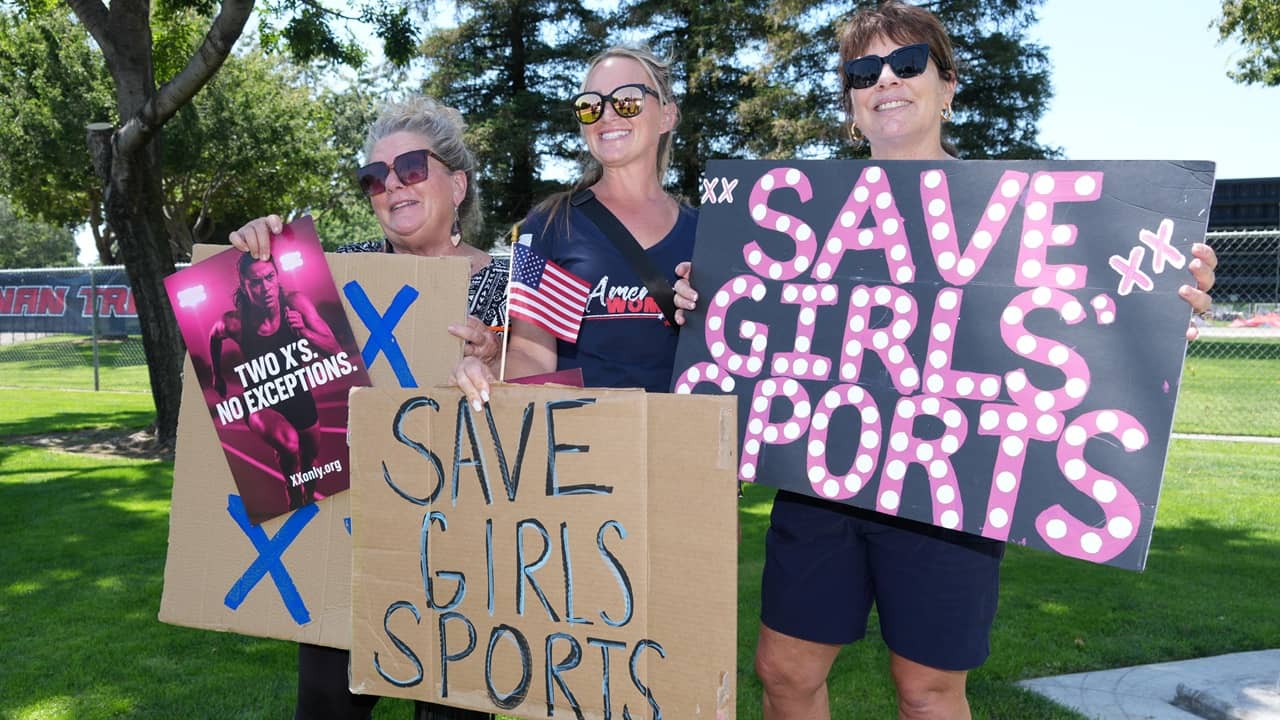
The article includes imagery of public reaction, specifically noting people holding Save Girls Sports signs during a protest on May 30, 2025, in Clovis, Calif., as credited to Kirby Lee/Getty Images. This visual context accompanies the discussion of how societal views are shifting or being challenged by judicial rulings.
Historical Context and Societal Division
The text contrasts the current state of American society with a past era characterized by shared common values. Sen. Daniel Patrick Moynihan, identified as a Democrat from New York who lived between 1927 and 2003, is quoted regarding this shift in national cohesion.
Everyone is entitled to his own opinion, but not to his own facts.
Hankinson states that Moynihan made these remarks at a time when Americans still possessed core common values. These shared values reportedly carried the nation through major historical events including the Great Depression, World War II, and the Civil Rights struggle. According to the source context provided by Hankinson, this era of unity has not persisted.
Since Moynihan died in 2003, the article claims our country has split far apart on questions involving politics, race, and sex. The text asserts that within barely a decade after his death, a specific idea took root on the progressive Left. This concept posits that people could self-declare a "gender identity based on personal feeling independent of provable facts.
The author emphasizes that this development marks a departure from observable reality and established biological definitions found in previous decades. The narrative suggests that the ability to define oneself independently of external verification is a recent innovation rather than an ancient truth.
Critiques of Gender Ideology Consistency
The article directs criticism toward what it terms gender ideology, describing this framework as inconsistent and self-contradictory. Hankinson points out that activists posit the existence of unlimited "gender identities. However, he argues these same individuals fight hard to make everyone accept specific assertions about transgender people.
The text highlights a perceived contradiction in activist demands. While claiming there are infinite gender categories available for self-identification, groups simultaneously advocate that "trans men are men and "trans women are women. Hankinson views this combination of positions as logically flawed within the ideology he critiques.
The author suggests that accepting unlimited gender identities while enforcing binary categorizations for others creates a paradox. This inconsistency is presented as evidence against the validity of the progressive framework regarding sex and gender. The article implies that such contradictions undermine the credibility of those advocating for these specific definitions of identity.
Implications for Future Discourse
The decision in West Virginia v. B.P.J. is framed as a catalyst for broader questioning of established norms regarding biological sex and gender assignment at birth. By ruling against mandates that enforce specific definitions, the court has opened space for debate on whether self-declared identities hold equal weight to observable facts about human biology.
Hankinson suggests this legal precedent may encourage individuals to question the concept of self-declared "gender identity. The implication is that if the Supreme Court rejects mandates enforcing these separate categories, public discourse will shift toward viewing biological sex as a fixed reality rather than a fluid personal feeling.
The article concludes by noting that this case may serve to challenge the notion that gender can be separated from biology. As of July 9, 2026, the ruling stands as a reference point for those arguing against what they call woke commandments on sex issues. The text does not offer further speculation beyond these stated points regarding the potential impact of the decision.