


Anti-Graft Watchdog Launches Investigation Into Former Bank Leader
The Central Commission for Discipline Inspection (CCDI), China's top anti-graft watchdog, has formally initiated a probe into Ouyang Weimin, a prominent figure in the nation's financial sector. The investigation is being conducted jointly with the National Commission of Supervision (NCS), underscoring the high-level nature of the inquiry.
A statement released on Sunday by the Central Commission for Discipline Inspection provided limited detail regarding the specific charges against the former official. According to that one-line statement, Mr. Ouyang was placed under investigation on suspicion of serious violations of party discipline and the law. This phrase is a standard designation used in China's anti-corruption campaigns, indicating a broad scope that can encompass a range of offenses from political disloyalty and abuse of power to bribery and economic crimes. No additional specifics were offered in the initial announcement, a common practice in such high-profile disciplinary actions within the Chinese political system.
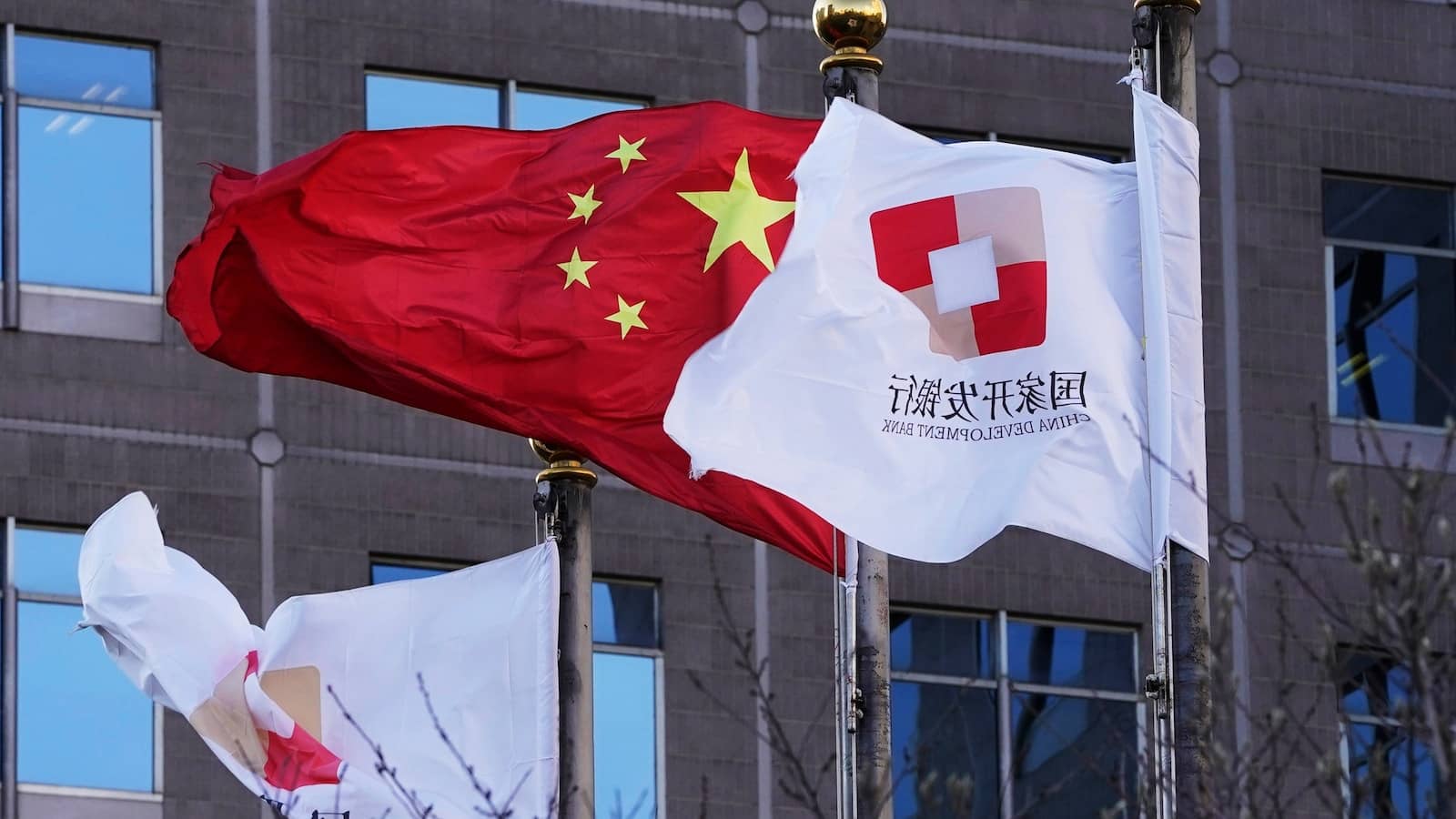
The news outlet reporting these developments is The Associated Press, which cited a file photo showing flags of the China Development Bank flown near a Chinese flag outside a subsidiary branch office in Beijing as of January 8, 2021. The involvement of both the CCDI and the NCS signifies a comprehensive investigation, with the former focusing on party discipline and the latter on administrative and criminal offenses.
A Career Trajectory Through China's Financial and Political Spheres
Early Years at the Central Bank
State media outlet China Daily reported details regarding Mr. Ouyang's professional background following the announcement of the probe. The report noted that he joined the Chinese Communist Party in 1986, marking the beginning of a career that would see him rise through significant state institutions. His early professional years were spent at the People’s Bank of China, the nation's central bank. This foundational experience in monetary policy and financial regulation provided him with an intimate understanding of China's economic machinery.
Leadership in an Economic Powerhouse Province
Beyond his initial work with central financial institutions, Mr. Ouyang transitioned into a significant regional government position. He served as the vice-governor of Guangdong province, a role that placed him at the helm of one of China's most economically dynamic regions. Guangdong is widely described in reports as an economic powerhouse, strategically situated near Hong Kong and a crucial hub for manufacturing, trade, and innovation. His tenure in this province would have involved overseeing vast economic development projects and managing complex regional governance issues, further broadening his administrative and political experience.
Ascension to State-Owned Banking Leadership
The investigation concerns his time leading one of China's largest state-owned financial institutions, the China Development Bank (CDB). His appointment to such a critical role followed a career path that combined central banking expertise with significant provincial administrative experience. Reports indicate that he was appointed to the influential role of president and deputy party secretary of the China Development Bank in 2019, placing him at the pinnacle of a key state-controlled financial entity responsible for funding major infrastructure and industrial projects crucial to China's economic strategy.
Tenure at China Development Bank and Official Silence
The China Development Bank, where Mr. Ouyang held his most recent high-profile position, plays a pivotal role in financing large-scale national development initiatives, both domestically and internationally. As president, he would have been instrumental in directing the bank's extensive lending portfolio and strategic investments. China Daily added further context regarding the timeline of his departure from this specific position, noting that he stepped down as president of the bank in 2023. The exact circumstances surrounding his resignation prior to the current investigation were not detailed in the available source texts provided for verification, leaving open questions about the events preceding the anti-corruption probe.
Limited Official Commentary on High-Level Probes
As is characteristic of many high-level disciplinary actions within the Chinese political system, official statements regarding this specific case have been sparse so far. The Central Commission for Discipline Inspection released only a brief statement without elaboration on the precise nature of the alleged violations or any potential timeline for further proceedings. This lack of detailed information is consistent with the opaque nature of China's anti-graft investigations, which often unfold behind closed doors before any formal charges or outcomes are publicly announced.
The National Commission of Supervision has confirmed its involvement in the joint investigation alongside the disciplinary commission, reinforcing the gravity and comprehensive scope of the inquiry. Neither body has provided additional public comments beyond their initial notification of the probe's existence, as reported by wire services and state media outlets covering international news from Beijing. The silence from official channels leaves observers to speculate on the full extent of the allegations against Ouyang Weimin and the potential ramifications for China's financial sector.