


Diplomatic Visits Meet Culinary Expansion
The relationship between Saudi Arabia and France is frequently characterized by high-level diplomacy, substantial investment agreements, and complex geopolitical discussions. However, a different dimension of this bilateral tie is emerging in the dining rooms of Riyadh. Conversations that once centered primarily on statecraft are increasingly accompanied by lighter exchanges over meals featuring warm prawns and French pastries shared among friends.
This cultural shift coincides with an official visit to France by Crown Prince Mohammed bin Salman. The Crown Prince’s trip is focused on discussions regarding issues affecting the region and the world at large. Yet, observers note that the growing footprint of French culinary establishments in Saudi Arabia provides an alternative lens through which to view the evolving relationship between the two countries.
The presence of French gastronomy in the Kingdom is no longer limited to high-profile diplomatic events or temporary pop-up experiences. It has become a sustained feature of Riyadh’s social landscape, signaling a deeper integration of French cultural elements into daily life for residents and visitors alike.
New Entrants Reshape the Dining Scene
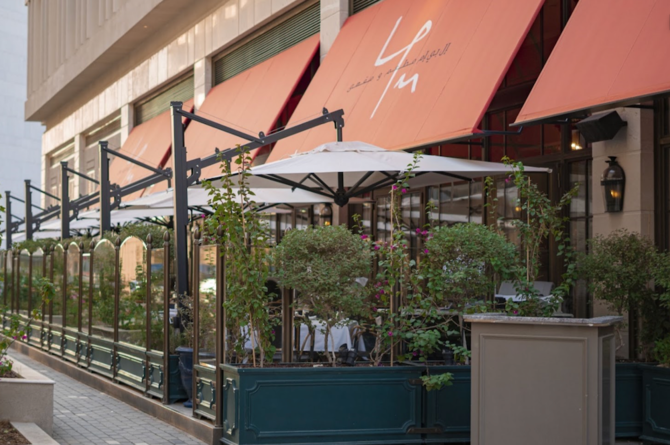
The expansion of French cuisine in Saudi Arabia is marked by the arrival of established international brands. LPM, formerly known as La Petite Maison, has opened a location in Riyadh. The restaurant brings its signature French-Italian menu to the Saudi capital, offering diners a blend of culinary traditions that have gained popularity in global metropolitan centers.
The opening of LPM represents a tangible step in the normalization and diversification of foreign dining options within the Kingdom. By establishing a permanent presence, the brand signals confidence in the local market’s appetite for international gourmet experiences. This move aligns with broader trends in Saudi Arabia, where the entertainment and hospitality sectors are rapidly expanding to meet the demands of a growing population seeking diverse leisure activities.
Seasonal Showcases by Renowned Chefs
In addition to permanent restaurant openings, renowned French chefs are actively engaging with Saudi audiences through temporary but high-impact events. French chef Daniel Boulud has introduced his specific culinary style to the Kingdom through a series of seasonal dining showcases.
These showcases serve as platforms for Boulud to present his cuisine directly to Saudi diners, adding another prominent international name to the list of chefs influencing the local food culture. The use of seasonal formats allows for flexibility and exclusivity, catering to consumers who value unique, time-limited culinary opportunities. This approach complements the steady growth of permanent establishments by creating buzz and maintaining interest in French gastronomy.
A New Perspective on Bilateral Ties
The increasing presence of French restaurants and chefs offers a new perspective on the relationship between France and Saudi Arabia. While diplomatic channels handle state-to-state relations, the culinary sector facilitates people-to-people connections. The act of sharing a meal is a universal social practice that can bridge cultural gaps and foster mutual understanding.
As Crown Prince Mohammed bin Salman engages in official talks in Paris, the parallel development of French cuisine in Riyadh illustrates how cultural exchange is occurring simultaneously with political dialogue. This dual track of interaction suggests a multifaceted relationship where soft power elements, such as food and art, play a supportive role to hard power dynamics like trade and security.
The transformation of Saudi Arabia’s cultural landscape includes the adoption of global trends in dining. French cuisine, long regarded as a pinnacle of culinary arts, is becoming part of this new environment. For many Saudis, dining at these establishments is not merely about consumption but also about participating in a globalized social scene.
Implications for the Local Market
The entry of major French brands and chefs into Saudi Arabia reflects the Kingdom’s economic diversification efforts under Vision 2030. The government has been actively encouraging tourism and entertainment sectors to reduce reliance on oil revenues. A vibrant dining scene is a key component of this strategy, attracting both local residents and international tourists.
The success of establishments like LPM and the popularity of chefs like Daniel Boulud indicate that there is a substantial market for high-end international cuisine in Riyadh. This demand drives further investment from global hospitality groups looking to tap into the growing disposable income of Saudi consumers.
As the cultural landscape continues to evolve, the intersection of diplomacy and gastronomy may become an even more prominent feature of Saudi-French relations. The shared experience of food can serve as a foundation for deeper engagement, complementing the formal discussions taking place in government halls. This trend underscores how everyday cultural practices are reshaping the narrative of international relationships in the region.