


The Architecture of Educational Discontent
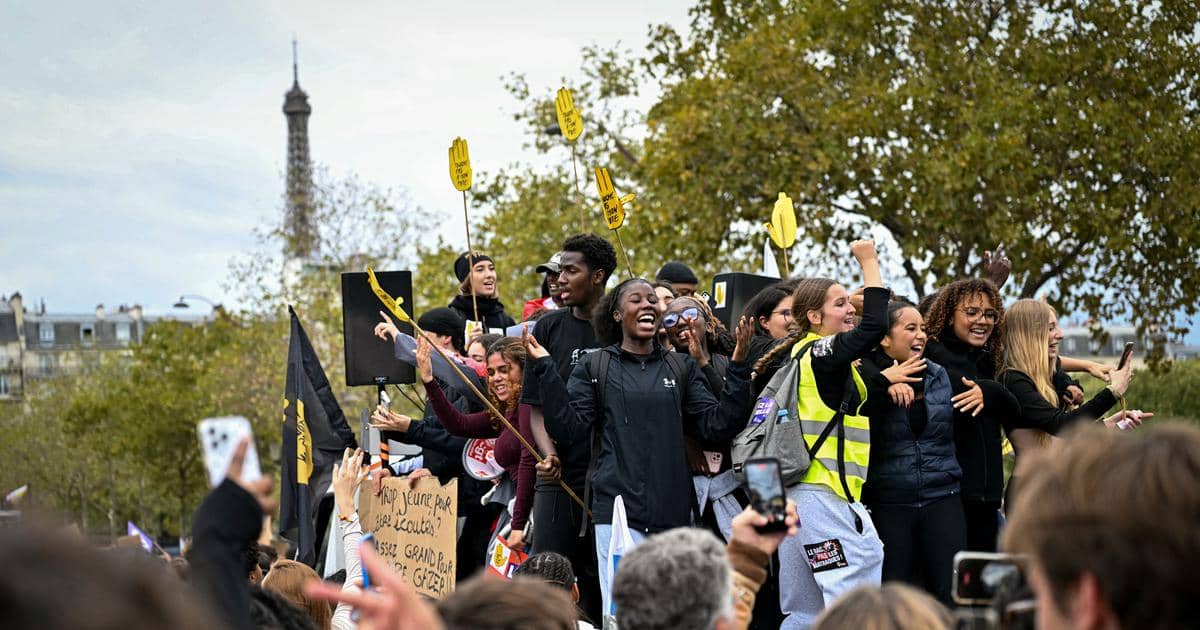
Student protests across France are currently driven by specific, tangible concerns regarding the state of the education system, including teacher shortages, dilapidated school buildings, and excessively long school days. These demonstrations also function as a rite of passage for many citizens, embedding protest as a recurring theme in French civic life.
The government faces significant hurdles in addressing these issues due to a combination of fiscal crisis and structural problems within the education sector. Challenges include difficulties in teacher recruitment, high rates of sickness absence among staff, and extensive backlogs in school maintenance.
Financial data highlights the complexity of the situation. While France spends approximately the OECD average on schools on paper, this figure obscures an accounting method where pensions account for 32% of total expenditure. Consequently, French teachers receive lower pay compared to their counterparts in other OECD countries.
The recruitment system is highly competitive and competition-based. Teachers who pass this system are sent to work wherever needed across France, a mobility requirement that contributes to the strain on the workforce. In response to the shortage, the government has promised to draft in an extra 3,000 teachers.
Material Conditions and Student Anxiety
The conditions within schools have a direct impact on student safety and well-being. A 2021 survey of 11,550 school pupils found that 23.1% of French students are scared to come to school due to a lack of discipline and violence.
Participants in the protests have described the environment in under-resourced areas as particularly harsh. A participant from Nanterre described schools in poor Paris suburbs as institutions that would "crush you" due to the educational culture and lack of resources.
Civic Formation Through Historical Memory
For many French citizens, school demonstrations are a key part of forming the role of citizen-protestors. This tradition is reinforced by the education system itself, which teaches the history of the 1789 revolution as the birth of freedom and democracy while omitting discussion of bloodshed or colonial subjects.
Grievances regarding French school conditions have existed for decades. Research indicates that protesting serves as an outlet for grievances related to under-resourcing and poor repair of schools in poor Paris suburbs.
Historical accounts illustrate the long-standing nature of these demonstrations. Another participant recalled protesting against a lack of teachers in Marseille in the 1980s, where they were kettled by police. This experience shaped their view of state power and highlights how such events contribute to the formation of political consciousness among students.