


A Historic Plunge in Fuel Prices Breaks Long-Standing Records
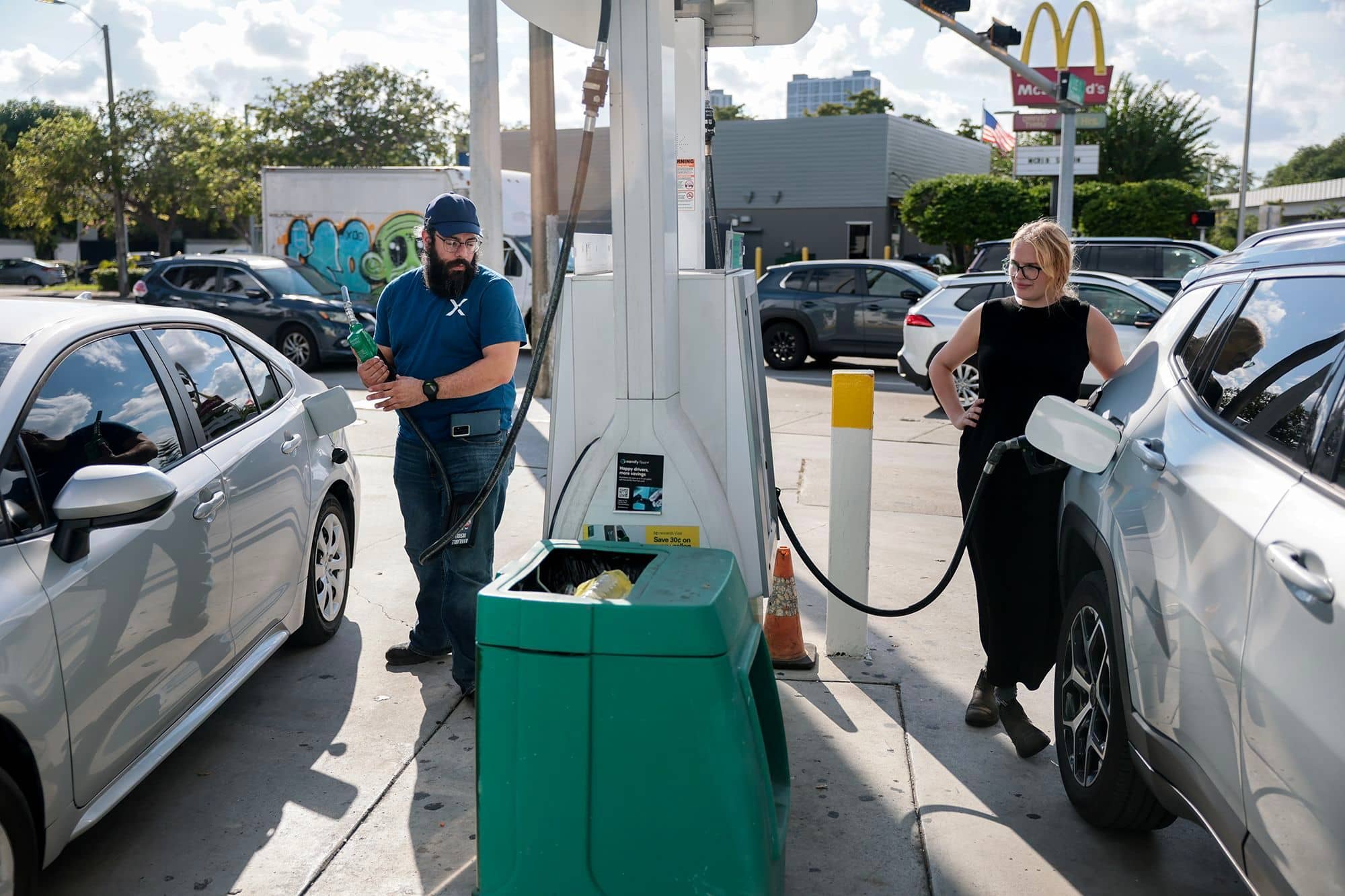
The national average price for regular gasoline has experienced a dramatic collapse, marking the most significant three-week drop in history outside of the 2008 financial crisis. According to a CNN review of AAA data, pump prices fell by 50.5 cents between October 29 and Thursday, signaling a sharp reversal in the economic pressures that have weighed on consumers for months.
This decline represents the largest percentage drop since the onset of the Covid-19 pandemic lockdowns in early 2020. Gas prices have tumbled by approximately 12% during this period, a surge in affordability driven by a combination of geopolitical stability and seasonal demand shifts. On Thursday, pump prices fell by an additional 3 cents to settle at $3.72 a gallon. While this figure remains well above the year-ago level of $3.09, it marks the lowest point since March 16.
The sustained nature of this decline is equally notable. After peaking on October 24, gas prices declined for 26 consecutive days through Thursday. This streak stands as the longest period of continuous price reduction since a 33-day run that ended in late June, suggesting a structural shift in market dynamics rather than a temporary fluctuation.
Geopolitical Calm and Supply Chain Recovery Drive the Drop
A primary catalyst for this price retreat is the absence of expected geopolitical escalation. Oil futures have retreated from triple-digit territory largely because the feared reescalation of the Iran war has not materialized. Despite ongoing fierce contests between the United States and Iran over the narrow Strait of Hormuz, crude continues to exit the waterway, helping to rebuild critical commercial stockpiles in the United States.
Domestic supply constraints that previously exacerbated price spikes have also eased. Refinery outages that had caused prices to skyrocket in the Great Lakes region have subsided, allowing for more efficient distribution and pricing across those markets. The convergence of stable international supply routes and repaired domestic infrastructure has removed two major barriers to lower fuel costs.
Patrick De Haan, GasBuddy’s head of petroleum analysis, described the current market conditions as a "free-fall." He attributed part of the decline to seasonal behavior, noting that demand drops as temperatures fall. "The colder the weather gets, the less Americans drive," De Haan stated, highlighting how reduced travel and commuting needs in winter months naturally depress fuel consumption.
The Lingering Financial Burden on Households
Despite the recent relief, the financial impact of the conflict remains substantial for American families. Research from Brown University indicates that Americans have spent an extra $162 billion on gasoline and diesel since the Iran war started. This aggregate cost translates to more than $1,200 per household, underscoring how quickly temporary price drops can be overshadowed by cumulative expenses.
The context of these current prices is further complicated by historical highs. GasBuddy data reports that the all-time high for gas was set in 2022 at $3.55 a gallon. Given the recent volatility, this Thanksgiving Day could still mark the most expensive holiday on record for gas, even as weekly averages fall.
Looking ahead, the trajectory of fuel costs remains tied to global stability. De Haan noted that gas prices could slide into the mid-$3 range in the coming weeks and months, provided the geopolitical situation remains calm. However, he warned that "any sudden reescalation would likely stop or reverse the recent decline," emphasizing that "geopolitics are still the biggest wildcard" in the energy market.