


Nuclear-Powered Rover Designed for Lunar Extremes
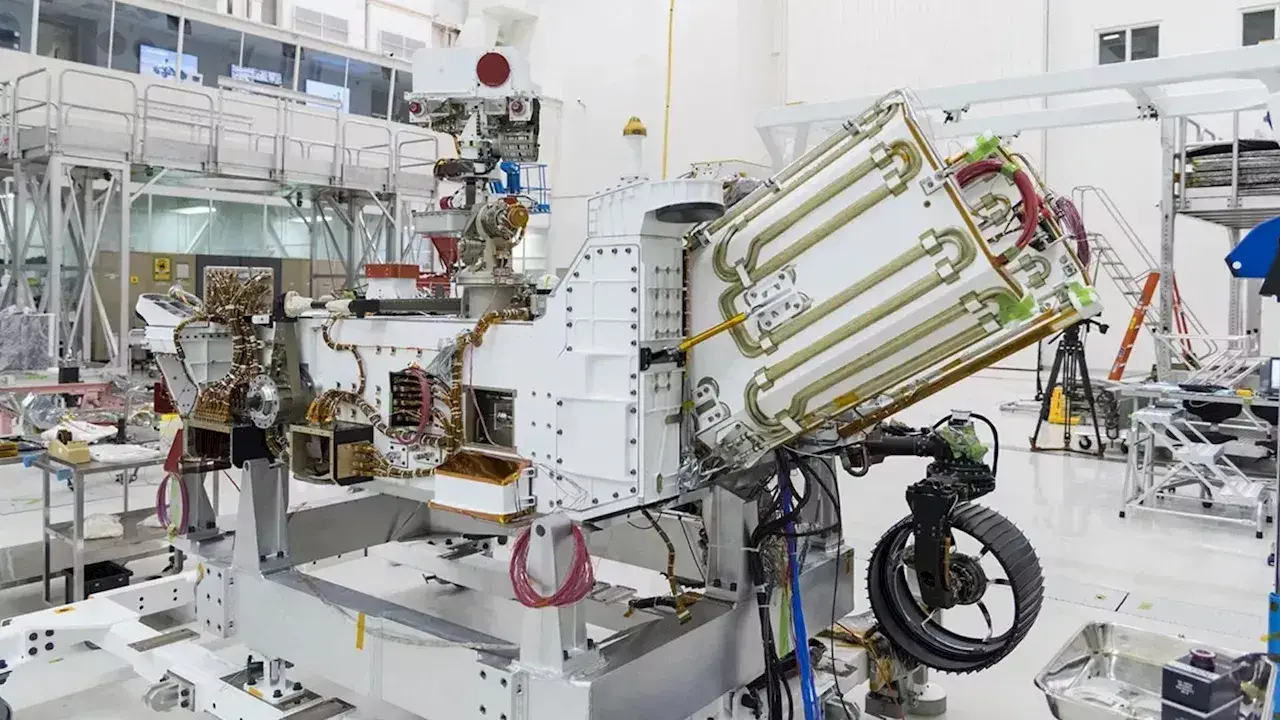
NASA is constructing PROMISE (Polar Rover for Observation, Mapping, and In-Situ Exploration), an SUV-sized lunar rover powered by a plutonium-238 radioisotope thermoelectric generator. The vehicle is being assembled largely from flight spares and testbeds originally used in the Curiosity and Perseverance Mars missions.
The nuclear power system allows PROMISE to generate approximately 110 watts of electricity alongside waste heat. This combination enables the rover to operate continuously inside permanently shadowed craters at the Moon's South Pole, where sunlight never reaches the surface. The thermal management system is also designed to help the vehicle survive 14-day lunar nights, during which temperatures drop below minus 200 degrees Fahrenheit.
Engineers have sized PROMISE to measure roughly 9.5 feet in length and weigh approximately 2,260 pounds when dry. The rover utilizes the rocker-bogie suspension system developed by NASA's Jet Propulsion Laboratory (JPL), a design heritage shared with its Mars predecessors.
Blue Origin Lander and Primary Mission Objectives
PROMISE is scheduled to launch aboard a Blue Moon Mark 1 lander provided by Blue Origin. The combined spacecraft targets a landing at the lunar South Pole in late 2028.
The mission's primary objective spans 18 months. During this period, PROMISE will scout terrain, map subsurface resources, and identify safe landing zones for future crewed missions. The rover is intended to prospect for water ice ahead of planned Moon Base operations.
Scientific Payload and Computing Systems
To achieve its scientific goals, PROMISE carries a suite of specialized instruments. A drill built by Honeybee Robotics, named TRIDENT, is capable of boring up to 3.3 feet into the lunar regolith.
The rover also carries three spectrometers: MSOLO, NIRVSS, and a neutron spectrometer. These instruments are designed to detect hydrogen signatures that would confirm the presence of water ice beneath the surface.
On the technical side, PROMISE will test NASA’s next-generation High Performance Spaceflight Computing processor. The rover is also equipped with a "Lunar Dashcam" derived from Perseverance’s landing cameras. This system includes onboard spotlights to facilitate driving in total darkness.