

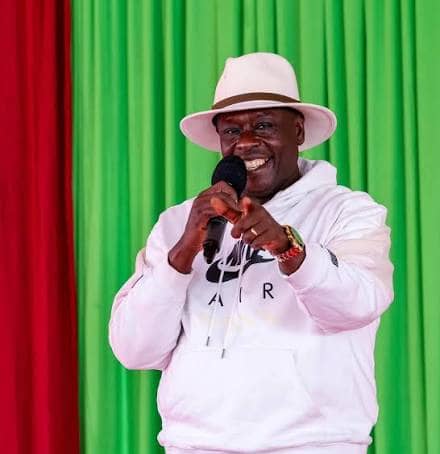

Gachagua Issues Direct Challenge to Regulatory Body
Deputy President Rigathi Gachagua has publicly challenged the National Cohesion and Integration Commission (NCIC) to visit Wamunyoro. This direct challenge was issued as the election period progresses, marking a significant escalation in the political discourse surrounding the region. The move effectively transforms what was originally a legal summons regarding hate speech into a broader political rally, drawing immediate attention across the national political landscape.
The invitation to the NCIC serves as a focal point for current events in Mount Kenya politics. By daring the commission to come to Wamunyoro, Gachagua has strategically shifted the narrative from a potential legal proceeding, which could constrain his public activities, to a public political engagement. This maneuver not only redefines the context of the summons but also places the regulatory body in a position where its response will be closely scrutinized. The timing of this challenge coincides with the ticking clock of the ongoing election cycle, adding a layer of urgency and political calculation to the interaction between the Deputy President and the regulatory body.
The Deputy President's decision to issue such a public dare rather than respond to the summons through conventional legal channels signals a deliberate strategy to engage with the allegations on his own terms. This approach aims to rally political support and frame the issue within a narrative of political targeting rather than a straightforward legal matter concerning hate speech. The chosen location, Wamunyoro, becomes symbolic, serving as the ground for this public confrontation and a potential show of force.
Transformation of Legal Summons into Political Event
Reports indicate that Gachagua has turned a summons related to hate speech allegations into a political rally. This strategic pivot changes the nature of the engagement from a judicial or administrative matter to a campaign-style event, complete with public address and mobilization. The original context of the summons was tied to accusations of hate speech, a sensitive issue particularly during election campaigns, but the Deputy President's public response has recontextualized the issue as a political contest.
The MT Kenya Times reported that this transformation is occurring as the election clock ticks down, highlighting the immediacy and high stakes involved. The shift suggests a calculated attempt to control the narrative surrounding the allegations by framing them within a political rather than purely legal framework. This approach has drawn significant attention to the intersection of electoral politics and cohesion regulations in the Mount Kenya region, raising questions about the boundaries between political expression and adherence to legal mandates.
Political Strategy in Responding to Allegations
Gachagua's method of addressing the hate speech summons represents a distinct political strategy. Instead of a quiet legal defense, the Deputy President opted for a public spectacle, converting a potential liability into an opportunity for political mobilization. By inviting the NCIC to a public forum in Wamunyoro, he effectively challenges the commission's authority in a public arena, forcing a direct engagement that transcends the typical legal process. This move allows him to address his supporters directly, articulate his position, and potentially garner sympathy or solidify his political base against perceived adversaries.
This strategy also serves to deflect the focus from the specific allegations of hate speech by broadening the discussion to include themes of political freedom, regional representation, and the role of regulatory bodies in a democratic process. Such a public challenge can energize a political base and frame the Deputy President as a defender of certain interests or a victim of political machinations, especially in a region as politically charged as Mount Kenya.
Mount Kenya's Political Landscape and Cohesion Challenges
The events are situated firmly within the context of Mount Kenya politics, a region known for its influential role in national elections due to its significant voter base and historical political leadership. The challenge to the NCIC highlights the inherent tensions between political actors, who seek to maximize their influence and support, and bodies tasked with maintaining social cohesion and preventing divisive rhetoric during election periods. By inviting the commission to Wamunyoro, Gachagua is not only placing the regulator under public scrutiny but also asserting his political presence within a critical electoral stronghold.
This development underscores the heightened sensitivity of hate speech regulations during active election campaigns, where words can quickly escalate tensions and polarize communities. The decision to treat a summons as an opportunity for a rally indicates a deliberate strategy to mobilize support and address grievances in a public forum, potentially turning a legal challenge into a political advantage. It also raises pertinent questions about how high-profile political figures navigate legal challenges while simultaneously maintaining campaign momentum and shaping public opinion in their favor.
Regulatory Oversight in an Election Environment
The current phase of the election period is characterized by increased political activity and intense scrutiny in Mount Kenya. Gachagua’s challenge to the NCIC reflects the broader dynamics at play as candidates and political leaders vie for support and influence. The region’s political landscape is closely watched, with any interaction between high-profile figures and regulatory bodies receiving significant attention, often amplified by media coverage and public debate.
The transformation of the hate-speech summons into a rally demonstrates how legal mechanisms, intended for administrative or judicial processes, can be leveraged or contested in the political arena. By issuing the dare to visit Wamunyoro, Gachagua has ensured that the issue remains in the public eye, preventing it from being confined to a legal chamber. This strategy aligns with typical political tactics used to deflect criticism, assert defiance, or turn potential liabilities into opportunities for public engagement and consolidation of support.
NCIC's Mandate Amidst Political Confrontation
The National Cohesion and Integration Commission is tasked with a crucial mandate: promoting national unity, fostering peaceful coexistence, and preventing the spread of hate speech, particularly during sensitive times such as election cycles. The commission's response to Gachagua’s unprecedented public challenge will be critical in determining the next phase of this political dispute and could set a precedent for how similar situations are handled in the future. Whether the NCIC accepts the invitation to Wamunyoro, thereby engaging in a public political spectacle, or chooses to pursue its legal avenues more stringently, remains to be seen.
The situation unfolding in Wamunyoro has become a microcosm of the larger challenges facing election management and cohesion efforts in Kenya. The interplay between political ambition, the desire to maintain public support, and the necessity of regulatory oversight is vividly evident in Gachagua’s actions. As the election progresses, the Mount Kenya region will continue to be a focal point for monitoring cohesion and electoral integrity, with the NCIC's role under intense public and political scrutiny.