

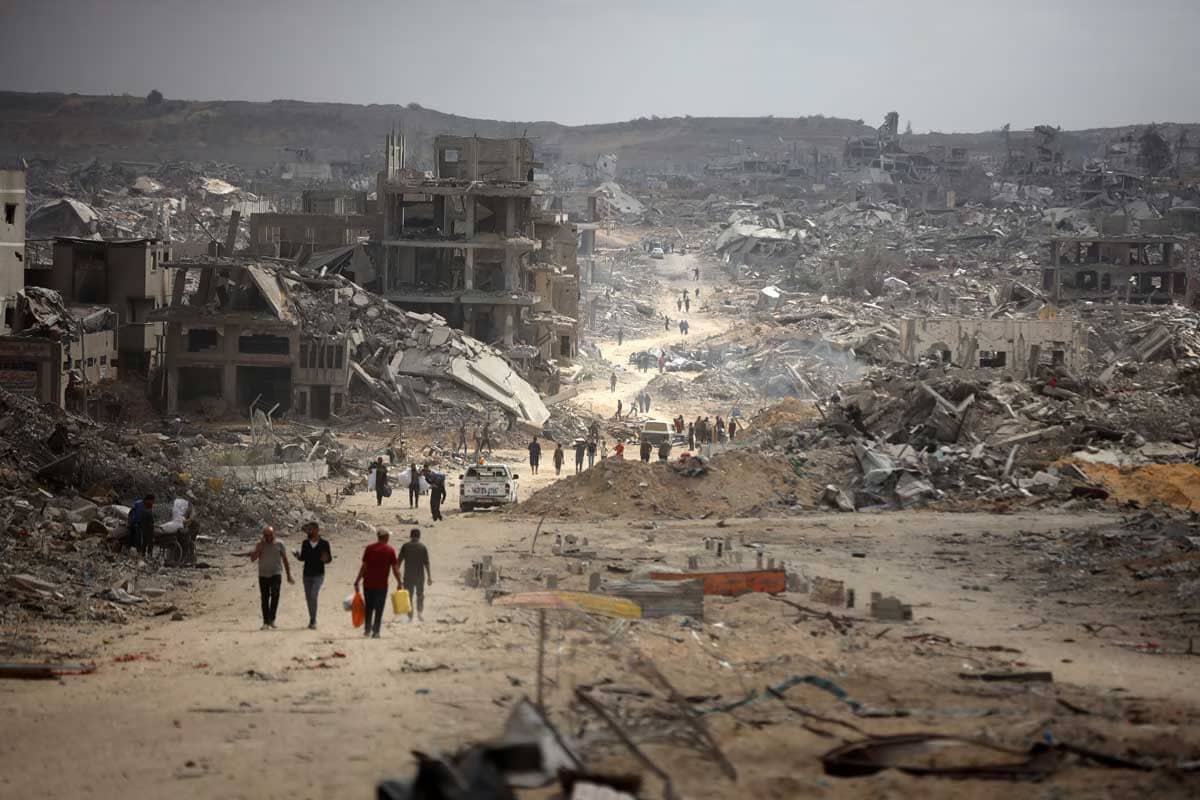

Political Implications Following One Thousand Days
The ongoing conflict in Gaza has reached a significant temporal marker. Sources indicate that this period represents exactly 1,000 days since the beginning of what some describe as a genocide. This specific timeframe is noted for its potential impact on American politics. The duration and nature of these events have drawn attention to how prolonged warfare reshapes political landscapes in Washington. The milestone serves as a focal point for analyzing shifts within the United States regarding foreign policy, humanitarian concerns, and diplomatic engagement with Israel-Hamas tensions.
According to reports from Al-Quds newspaper, this period is characterized by intense scrutiny of international legitimacy. Hamas has issued specific warnings against plans to liquidate UNRWA. The organization views these potential actions as a direct targeting of its own standing within the international community. This stance reflects broader concerns regarding how aid agencies are perceived during active hostilities. The warning suggests that any move toward dissolving or reducing the operational capacity of United Nations Relief and Works Agency for Palestine Refugees in the Near East would be interpreted by Hamas as an attack on the organization's legitimacy.
Escalation in the West Bank
Sources report a significant increase in activity within the occupied territories. A new Israeli outpost has been discovered west of Ramallah, identified specifically as 'Ma'oz Tzur'. Reports indicate this facility occupies an area described as 1450 dunams. The establishment of such outposts is part of reported settlement expansion efforts. In parallel with these developments, settlers have reportedly stormed the Al-Aqsa Mosque under tight protection provided by security forces. These events occur alongside a wider pattern of escalation across the West Bank.
Specific villages face increased alerts and military activity. The village of Mukhamas is cited as experiencing widespread escalation in this context. Reports detail home demolitions, arrests, and heightened Israeli alert levels within specific localities. Furthermore, sources allege that cemeteries are being repurposed for military use. There are reports indicating how the occupation reportedly turns West Bank cemeteries into military barracks. This alleged transformation of burial grounds adds a layer of controversy to the reported expansion of security infrastructure in Palestinian territories.
The displacement situation remains fluid and severe. Palestinians returning to Gaza via the Rafah crossing have reportedly had their property seized by authorities. In addition, reports state that gold has also been taken from individuals attempting to return through this specific border point. These actions contribute to a narrative of ongoing dispossession reported in connection with movement restrictions between Egypt, Israel, and the Gaza Strip.
Statements on Military Presence and International Relations
Military strategy remains a central topic. An Israeli minister has pledged that the army will continue its presence in specific regions. The pledge covers operations in Gaza, Lebanon, and Syria. This declaration is paired with warnings directed at regional actors. Specifically, there are reports of an official warning issued against Iran regarding retaliation for actions taken by Israel or its proxies.
International reactions to the conflict continue from various leaders. Turkish President Erdogan has made public statements addressing the situation in Gaza and Jerusalem. Erdogan stated that the historical record is clear on this matter. He asserted that Netanyahu's government bears responsibility according to his assessment for a large number of martyrs, specifically citing 73,000 deaths attributed to the Israeli administration.
These statements highlight divergent perspectives held by world leaders regarding accountability and casualty counts in the region. Hamas has called for an emergency Arab summit. The purpose stated is to counter reported Israeli displacement plans affecting Palestinian populations across multiple territories including Gaza, West Bank areas under occupation, and potentially other regions affected by conflict dynamics.
Diplomatic Initiatives and Regional Planning
Discussions regarding a 'Peace Council' plan are underway. Specific attention is paid to Article 17 within these discussions. The location for this initiative involves Cyprus as the venue or context for negotiations. The focus of these talks includes plans concerning the re-engineering of the Gaza Strip. This phrase describes proposed structural changes intended by certain parties involved in regional diplomacy.
These diplomatic efforts occur simultaneously with reports on ground-level violence and administrative actions taken within Palestinian territories. The juxtaposition of high-level planning and immediate escalation defines the current reporting landscape for this conflict zone.