Full story
Gehlot’s Public Challenge to the Union Home Minister
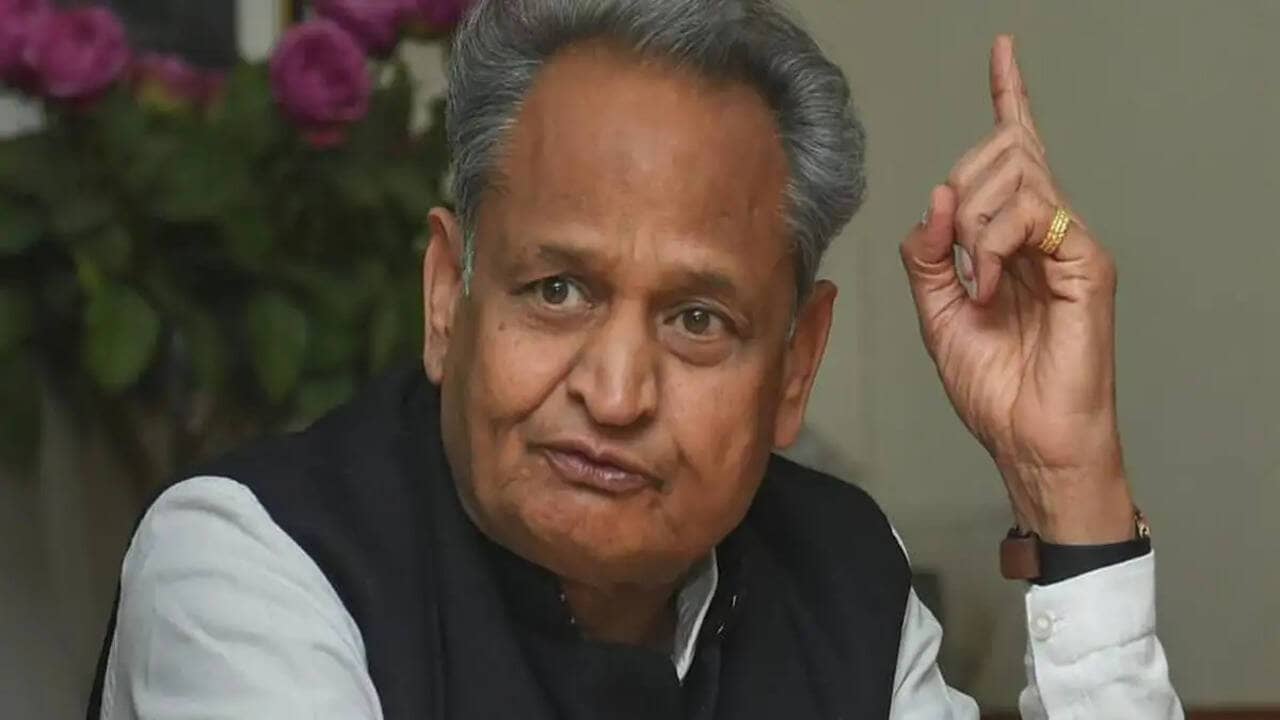
Former Rajasthan Chief Minister Ashok Gehlot has publicly criticized Union Home Minister Amit Shah regarding the handling of a high-profile criminal investigation in the state. During a recent press conference, Gehlot directed his remarks at Shah, alleging that the Union Home Minister failed to address the ongoing probe into the 2022 Udaipur murder case during his official visits to Rajasthan.
The former chief minister’s comments were made in direct response to previous statements by Amit Shah concerning the Indian National Congress party’s stance on "Vande Mataram." Gehlot utilized this opportunity to shift the focus of the political discourse toward what he described as a lack of action on a specific criminal matter. By linking his criticism to Shah’s earlier remarks, Gehlot attempted to frame the union minister’s silence on the Udaipur case as a deliberate omission.
Gehlot’s allegations suggest that the central government’s home ministry has not provided adequate attention or intervention in the local investigation, despite its national significance. The former chief minister did not provide specific details regarding the status of the evidence or the current stage of the judicial process in the press conference. Instead, his remarks focused on the perceived political motivation behind the alleged silence.
Accusations of Election-Related Distractions
In his critique, Gehlot accused the Bharatiya Janata Party (BJP) of employing tactics designed to create distractions ahead of upcoming local elections in Rajasthan. He argued that the political narrative surrounding "Vande Mataram" and other cultural issues was being utilized to divert public attention from unresolved criminal cases and administrative failures.
According to Gehlot, these distractions are part of a broader strategy by the BJP to influence voter sentiment before the polling dates. The former chief minister suggested that the timing of Shah’s visits and the subsequent media coverage were calculated moves rather than genuine efforts to address law and order issues in the state.
Gehlot also alluded to unusual political pressures currently being exerted within the Rajasthan state government. While he did not specify the exact nature of these pressures or identify the individuals involved, his remarks implied that there is significant interference or coercion affecting the functioning of the state administration. He characterized these internal dynamics as abnormal and indicative of a strained political environment.
Implications for Local Governance
The former chief minister’s comments highlight concerns about the independence of local law enforcement and administrative bodies from central political influence. By alleging that the BJP is creating distractions, Gehlot positioned himself as a defender of transparency and accountability in state affairs.
His statements also reflect the intensifying rivalry between the Congress party and the BJP in Rajasthan. As election season approaches, both parties are engaging in aggressive rhetoric to mobilize their respective bases. Gehlot’s focus on the Udaipur case serves to criticize the current ruling government’s competence and its relationship with the central leadership.
The allegations of unusual political pressures within the state government suggest that Gehlot believes the federal structure of Indian politics is being tested by regional conflicts. He implied that the union home minister’s failure to address the murder case investigation is symptomatic of a larger pattern of neglect or bias toward Rajasthan’s internal matters.
Rising Political Tensions Ahead of Elections
The exchange between Gehlot and Shah underscores the increasing political tensions in Rajasthan as the state prepares for local elections. The Udaipur murder case has become a focal point for criticizing the ruling party’s handling of security and justice issues.
Political analysts note that criminal cases often gain heightened significance during election cycles, with opposition parties using them to question the incumbent government’s effectiveness. Gehlot’s decision to bring up the 2022 incident demonstrates the strategic use of past events to shape current political narratives.
The criticism also reflects the broader national political climate, where issues of law and order are frequently debated between the ruling BJP and the opposition Congress party. Shah’s comments on "Vande Mataram" had already set a contentious tone for their interaction, but Gehlot’s response shifted the debate to concrete governance failures.
As the local elections draw nearer, such confrontations are likely to become more frequent. The allegations made by Gehlot regarding distractions and political pressures will likely be met with counter-arguments from BJP leaders, who may deny any involvement in suppressing the investigation or manipulating public opinion.
The situation in Rajasthan remains fluid, with both parties vying for dominance through media statements and public appearances. Gehlot’s press conference serves as a clear signal that the Congress party intends to keep the Udaipur case in the public eye as a means of challenging the BJP’s political narrative in the state.