

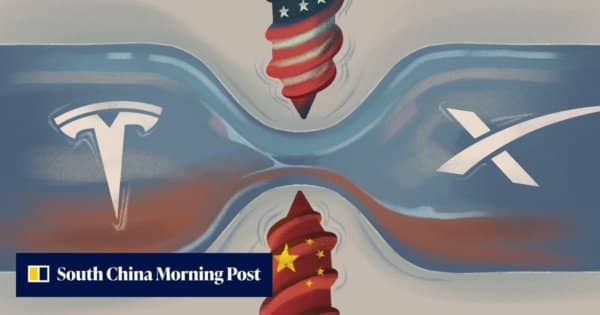

Proposed Deal Faces Geopolitical Headwinds
A proposed merger involving technology entrepreneur Elon Musk and an unnamed rocket company is currently under consideration, according to reports. The transaction has drawn attention from industry observers and regulatory watchers alike. However, the viability of this potential business combination is being challenged by a range of geopolitical factors.
Initial assessments suggest that the deal is not proceeding without significant complications. Sources indicate that geopolitical risks are emerging as a primary obstacle to the completion of the merger. These external pressures are creating uncertainty regarding the future structure and ownership of the involved entities.
The intersection of high-profile private enterprise and international relations has placed the proposed deal in a precarious position. Analysts note that the global political landscape is increasingly influential in determining the success or failure of major corporate consolidations, particularly those involving aerospace and defense-adjacent technologies.
Specific Concerns Regarding Viability
Geopolitical factors are cited as a significant concern for the long-term viability of the merger. The specific nature of these risks has not been fully detailed in public disclosures, but they are understood to stem from international tensions and regulatory scrutiny across multiple jurisdictions.
National Security Implications
Aerospace mergers often trigger intense review by national security agencies. In this case, the geopolitical climate is amplifying existing concerns about foreign ownership or influence over critical launch infrastructure. Governments involved may view the consolidation of rocket capabilities through a lens of strategic competition rather than purely commercial interest.
Regulatory bodies in various countries are reportedly monitoring the situation closely. The potential for export control violations or technology transfer restrictions adds another layer of complexity to the negotiations. These regulatory hurdles are often exacerbated when geopolitical relations between nations are strained.
International Market Access
The merger could also impact international market access for the combined entity. If geopolitical tensions escalate, the merged company might face bans or restrictions on launching satellites or providing launch services to foreign clients. This potential loss of global revenue streams is a critical factor in the valuation and feasibility of the deal.
Industry insiders suggest that the uncertainty surrounding international partnerships is causing hesitation among potential investors. The risk profile of the merger has shifted from a standard corporate consolidation to a complex geopolitical instrument, requiring careful navigation of diplomatic channels.
Market Reaction and Outlook
Financial markets have reacted cautiously to the news of the proposed merger. Stock prices for related aerospace firms have shown volatility as traders assess the probability of the deal closing under current conditions. The uncertainty is not limited to the immediate participants but extends to the broader supply chain.
Suppliers and contractors involved in the rocket manufacturing process are reportedly waiting for clarity on how geopolitical risks might affect their contracts. Some may be seeking alternative partners if the merger collapses, while others may hope to benefit from increased government spending on domestic aerospace capabilities as a result of the deal's potential failure.
The timeline for a decision remains unclear. Regulatory reviews can take months or even years, and in this case, the geopolitical dimension adds an unpredictable variable. Officials involved in the approval process are likely weighing national interests against economic benefits.
Comparative Analysis of Past Deals
Historical precedents in the aerospace sector show that mergers involving high-profile figures often face heightened scrutiny. Past attempts to consolidate rocket technology have been blocked or modified due to national security concerns. The current proposal is being compared to these historical cases, with observers noting similarities in the regulatory environment.
However, the current geopolitical climate is distinct from previous periods of consolidation. The level of international tension is higher, and the strategic importance of space technology is more widely recognized by governments worldwide. This context makes the path to approval more difficult than it might have been a decade ago.
Stakeholder Perspectives
Elon Musk has not issued a detailed public statement addressing the specific geopolitical risks threatening the merger. His company, SpaceX, has maintained its focus on launch operations and satellite deployment. The silence from the primary figure involved has led to speculation about his stance on the regulatory challenges.
Rocket company representatives have also been quiet on the matter. Official statements regarding the status of the negotiations are limited, with most information coming from anonymous sources close to the deal. This lack of official communication has contributed to the uncertainty surrounding the transaction.
Regulators in key markets have not yet issued formal opinions on the deal's merits or drawbacks. Their silence is interpreted by some as a sign that the review process is still in its early stages, while others view it as a prelude to potential rejection based on national security grounds.
Implications for the Aerospace Industry
The outcome of this merger could set a precedent for future aerospace consolidations. If the deal is blocked due to geopolitical risks, other companies may reconsider large-scale mergers in the sector. The fear of regulatory intervention driven by international politics could stifle industry growth.
Conversely, if the merger proceeds despite the risks, it could signal a willingness among regulators to prioritize economic efficiency over geopolitical caution. This outcome would likely encourage further consolidation attempts, potentially leading to a more concentrated aerospace market.
The situation highlights the growing intersection of corporate strategy and international relations. Companies operating in the global aerospace sector must now account for political risks that are beyond their control. The proposed Musk rocket merger serves as a case study in this evolving dynamic.