


A Tiny Nation Hosts Global Strategic Discussions
KOROR, Palau — Leaders from some of the world’s least populous states have convened in a placid tropical archipelago known for its lack of traffic lights. This significant gathering, identified as the Pacific Islands Forum Leaders Meeting, is taking place far from major diplomatic hubs such as New York or Davos, underscoring the unique nature of the event. It brings together heads of state from dozens of countries to address issues pertinent to the vast ocean region, a region increasingly central to global strategic interests.
The host nation, Palau, a small island nation with a resident population of approximately 18,000 people, is experiencing a notable transformation for the summit. This figure is expected to increase to 20,000 with the arrival of delegates attending the summit, representing a substantial temporary population surge for the archipelago. The influx of international visitors, including heads of state, diplomats, and support staff, has necessitated considerable logistical adjustments across the local economy and infrastructure, highlighting the scale of the event for such a small nation.
Local Life Meets International Diplomacy
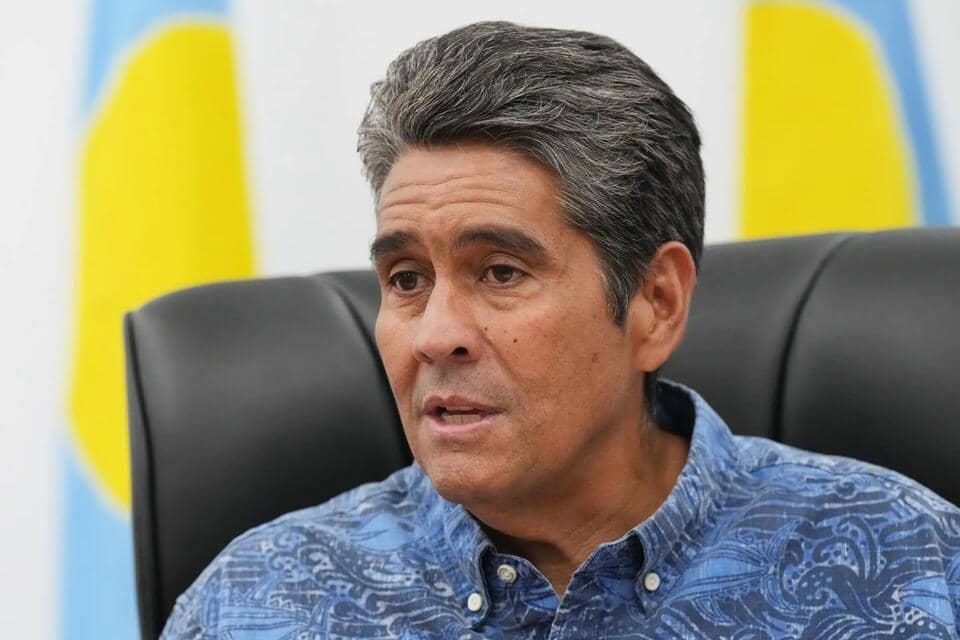
Ahead of the official opening on Monday, senior officials, including the country’s president, engaged in visible preparations along the main road surrounding the island. These activities included picking up trash to ensure the area was pristine and ready for the incoming dignitaries. The community-wide effort reflects the importance Palau places on its role as host and its commitment to presenting a welcoming environment.
Local service providers have also adapted creatively to the demands of the summit. Barbers and tattoo artists, for instance, are preparing to serve as drivers for delegates, showcasing the resourcefulness of the local workforce. Furthermore, student volunteers have been recruited to usher dignitaries through the event, providing essential support and offering young Palauans a unique opportunity to engage with international diplomacy. This blend of local engagement and global participation defines the summit's immediate atmosphere, contrasting sharply with the high-stakes geopolitical discussions anticipated.
Geopolitical Currents Challenge Pacific Unity
The summit is characterized by a distinctively Pacific approach to governance and diplomacy. Matters at the forum are described as unfolding in their own unhurried time, a pace that contrasts sharply with the rapid-fire negotiations often seen in other international settings. A key feature of this diplomatic style, deeply rooted in regional traditions, is that decisions are made by consensus rather than by a vote, emphasizing unity and shared understanding among member states.
Despite this traditional framework of cooperation and consensus, the atmosphere beneath the event’s cultural surface is described as fraught and escalating. The gathering is widely expected to be overshadowed by geopolitical debates concerning the future of the Pacific region. This tension arises from the fact that powerful nations have been actively seeking alliances in the Pacific in recent years, racing to shore up their strategic interests in the area, thereby introducing external pressures into a forum traditionally focused on internal regional matters.
The Race for Influence in the Pacific
This intensifying competition among major global powers threatens to dominate the agenda of the summit, which includes leaders from some of the world’s smallest island nations. The presence of these global competitors introduces significant external pressures to a forum traditionally focused on regional cooperation and consensus-driven outcomes. The juxtaposition of the local, unhurried diplomatic style with the intense strategic rivalry of outside powers defines the current dynamic of the meeting, creating a complex environment for decision-making.
The Pacific region, once considered remote, has gained immense strategic importance due to its vast maritime territories, critical shipping lanes, and potential resources. This has led to an increased focus from powerful nations seeking to expand their influence and secure strategic partnerships. The active pursuit of alliances by these external powers has created a delicate balancing act for the island nations, who must navigate these overtures while preserving their sovereignty and regional cohesion. The forum thus becomes a critical arena where these global ambitions intersect with local realities and regional aspirations.
Island Nations Navigate External Pressures
The focus of the debate centers on who gets to shape the future of the vast ocean region. As powerful nations increase their presence and efforts to secure alliances, the ability of smaller island states to maintain an independent regional voice is a central point of contention. These nations, many of whom are particularly vulnerable to climate change and economic shifts, are keen to ensure that their development priorities and environmental concerns remain at the forefront, rather than being overshadowed by larger geopolitical games.
The summit provides a crucial platform for these discussions, allowing leaders of the Pacific Islands Forum to articulate their collective vision for the region, though the overarching geopolitical rivalry remains a defining factor in the proceedings. The challenge lies in forging a unified stance that addresses both internal regional needs and the external pressures exerted by global powers.
Maintaining Sovereignty Amidst Global Rivalry
The event highlights the growing strategic importance of the Pacific Islands Forum as a collective voice for its members. While the local preparations in Palau reflect a community-oriented approach to hosting international guests, the substantive discussions are driven by the broader context of global power competition. The decisions made, or the consensus reached, at this forum will not only impact the immediate future of the island nations but will also influence the diplomatic landscape for the entire region in the coming years. The forum's ability to navigate these complex dynamics will be a key test of its strength and relevance in an increasingly contested world.