


The Shockwaves From The Strait Of Hormuz
The Strait's Strategic Vulnerability
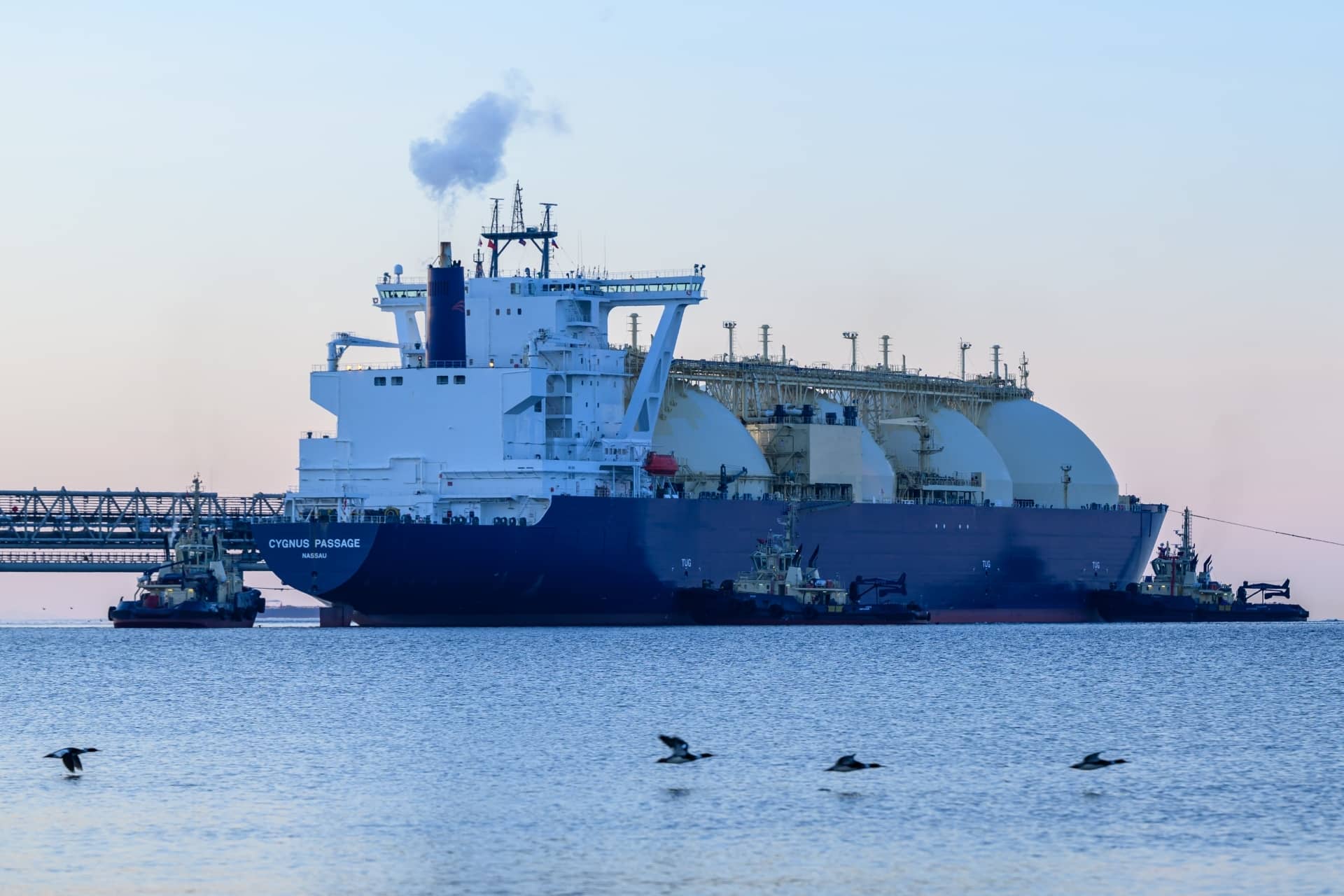
A United States military action against Iran sent shockwaves throughout international oil markets as prices soared following reported closures or threats involving the Strait of Hormuz. This narrow waterway, connecting the Persian Gulf to the open ocean, serves as a critical global chokepoint. Vast quantities of crude oil and liquefied natural gas (LNG) pass through it daily, making it one of the world's most strategically important maritime passages. Disruptions here have immediate, far-reaching repercussions due to its indispensable role in supplying major consuming nations worldwide.
Subsequent critical disruptions in global energy flows have drawn immediate attention from analysts and industry observers. Konstantin Simonov, Director General of the National Energy Security Fund, noted that experts had already begun summing up the latest conflict surrounding Iran when the situation around the waterway flared up sharply once again. The rapid escalation caught many by surprise, even amidst existing geopolitical tensions, underscoring the inherent fragility of global energy supply lines.
Simonov stated there is no need to guess what exactly will happen in the Strait of Hormuz in the near term. He suggested it seems clear that predicting immediate outcomes regarding this specific chokepoint remains difficult for market participants. The unpredictable nature of such geopolitical flashpoints makes short-term forecasting nearly impossible, with this uncertainty itself becoming a major factor driving market volatility. This situation compels a re-evaluation of long-term strategies rather than merely reacting to daily headlines.
Despite the inability to predict short-term events with certainty, Simonov emphasized that conclusions can already be drawn about the profound transformation occurring within the global oil market structure itself. The crisis, while immediate in its impact, acted as a powerful catalyst, revealing deeper underlying shifts and accelerating a process of re-alignment in global energy power dynamics.
The Emergence Of Three Key Players
A New Tripartite Framework
The crisis unfolding around Hormuz has clearly identified three key players who are now central to energy security discussions. According to Simonov, these entities have emerged directly from the chaos of recent geopolitical tensions and are set to shape market dynamics for years to come. This configuration is not merely about traditional major oil producers; it represents a specific confluence of influence that has crystallized due to the crisis. These players might encompass individual nations, strategic alliances, resource blocs, or entities wielding unique control over critical infrastructure or reserves.
Konstantin Simonov writes that one might say the oil market now rests on three pillars emerging directly from this specific crisis environment.
The relationships between these three emerging leaders will be crucial in shaping the future direction of the entire industry. This structural shift represents a significant departure from previous models, where different nations or organizations often held distinct roles without such direct interdependence forming around a single, acute event. Historically, the market might have been viewed through a bipolar lens, such as OPEC versus non-OPEC producers, or as a multipolar system with numerous independent actors. This new "tripartite framework," however, implies a more integrated, interdependent, and potentially more volatile system where their interactions will dictate supply stability, price discovery, and investment flows.
Redefining Global Energy Influence
Simonov argued that while experts were busy analyzing immediate tactical moves in Iran, the broader strategic implications for global energy markets became apparent. The specific nature of these three load-bearing columns remains defined by their collective ability to influence supply chains and pricing mechanisms worldwide. This new configuration fundamentally challenges established assumptions about where stability in oil prices originates. Traditional power centers, often centered on the dominance of a few large producers or major consuming blocs, may now find themselves secondary to the intricate interplay between these three newly identified actors. This shift suggests that influence is becoming more distributed or concentrated in unexpected ways, potentially involving control over critical technologies, logistics networks, or specific strategic reserves and transit routes. Simonov's analysis suggests that understanding who controls access or influence over energy flows now requires looking at a tripartite framework rather than traditional bilateral relationships, demanding a comprehensive re-evaluation of geopolitical risk and opportunity.
Determining Future Industry Course
The future course of the oil industry depends largely on how these three entities interact with one another. Their combined actions will determine whether global markets stabilize or continue experiencing heightened volatility following such acute disruptions. Various forms of interaction could emerge:
- Cooperation: Should these pillars align their interests, it could lead to managed supply, more stable prices, and coordinated investment in infrastructure and production.
- Competition: Conversely, intense competition might result in price wars, battles for market share, and increased market volatility, creating an unpredictable environment for producers and consumers alike.
- Conflict or Friction: Direct geopolitical clashes, proxy conflicts, or economic sanctions impacting energy flows could severely disrupt supply, leading to price spikes and shortages.
Industry watchers are monitoring developments closely as they assess which nations, organizations, or resource blocs constitute this emerging trio. The specific identities and capabilities of each pillar remain part of the ongoing analysis provided by Simonov's commentary for the Valdai Club platform. This ongoing assessment is critical for all market participants, from national governments formulating energy policy to individual energy companies planning long-term investments.
Implications For Global Energy Security
Unmasking Supply Fragilities
The closure or threat to close the Strait of Hormuz serves as a potent catalyst, revealing underlying vulnerabilities in current global supply arrangements. When energy flows are disrupted, the market instantly tests its resilience against alternative sources and delivery routes that these three new leaders might control. These vulnerabilities include an over-reliance on single chokepoints, a lack of diversified supply infrastructure in certain regions, and insufficient strategic reserves to buffer against prolonged outages. The influence of the "three pillars" might extend to controlling these critical alternatives, whether through increased production from other regions like North America or West Africa, the development of new pipeline projects bypassing maritime routes, or advancements in energy technologies that reduce oil dependence.
Navigating a Redrawn Geopolitical Map
Simonov's assessment implies that previous strategies for maintaining oil security may no longer suffice without accounting for this specific tripartite dynamic. The interplay between these groups could profoundly redefine alliances or create new friction points that impact pricing, availability, and long-term investment decisions across the sector. Traditional energy partnerships might shift, leading to the formation of new blocs based on shared interests or dependencies related to the influence of these three pillars. For instance, major consumer nations might find themselves aligning more closely with specific producers or transit countries that fall within the orbit of one of these emerging leaders.
Potential friction points could arise from intense competition for influence, control over vital resources, or strategic transit routes, leading to diplomatic tensions, the deployment of economic leverage, or even military posturing. The impact on pricing could manifest as greater volatility, the potential for manipulated prices, or sustained high prices if supply control becomes consolidated among the pillars. Furthermore, the availability of oil could become precarious in specific regions if one pillar chooses to restrict flow. Such uncertainty could deter long-term investment in new exploration or infrastructure, potentially leading to future supply gaps, or conversely, it could spur significant investment in diversification and resilience strategies to mitigate these new risks.