


Global Warming Reshapes National Security Priorities
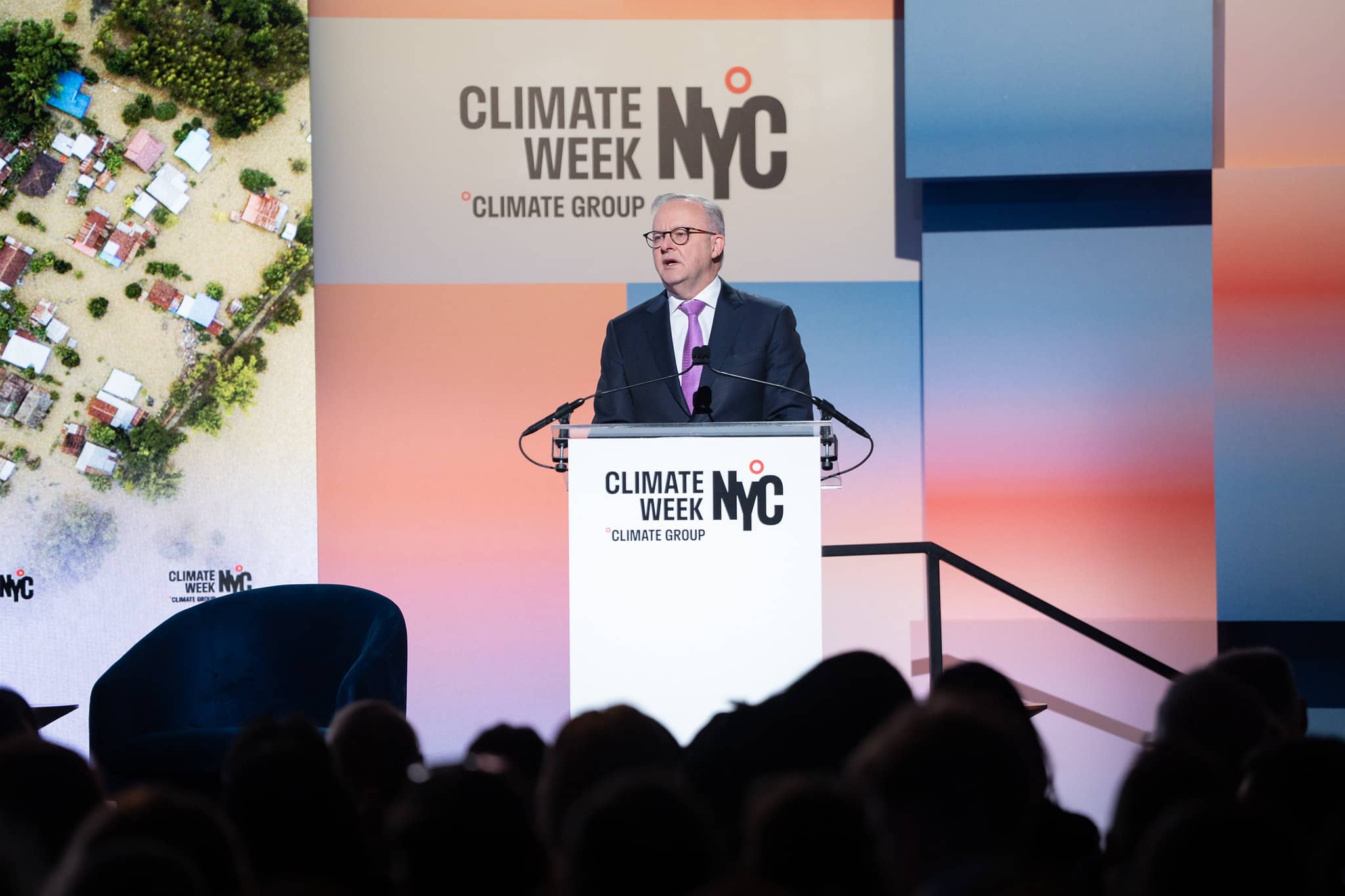
Governments worldwide are increasingly recognizing climate change and the imperative of transitioning away from fossil fuels as critical, interconnected components of national security strategy. This fundamental shift in perspective, moving environmental concerns from a secondary issue to a core security challenge, was prominently highlighted during the opening of New York Climate Week. At this pivotal event, political leaders and strategic thinkers convened to discuss the escalating and multifaceted risks associated with global warming and pervasive environmental degradation.
British Foreign Secretary Ed Miliband addressed the opening ceremony on Monday, articulating a clear and urgent demand for a new strategic approach. He stated unequivocally that governments must begin treating climate change impacts and nature loss not as peripheral environmental concerns, but as direct and existential threats to national security. Miliband argued forcefully that the prevailing approach of merely responding to disasters after they occur is demonstrably insufficient and unsustainable in the face of rapidly accelerating environmental challenges. Instead, he called for a paradigm shift towards proactive management of climate-related shocks, aiming to mitigate their potential before they materialize into widespread crises that destabilize nations, displace populations, and strain international relations.
Miliband, who previously served as the UK’s energy minister until July, underscored the profound implications of this evolving threat landscape. He emphasized that the growing urgency and severity of extreme weather events—such as unprecedented heatwaves, devastating floods, prolonged droughts, and intensifying storms—necessitate a fundamental reevaluation of governmental thinking on security. These related disasters are becoming more frequent and intense, challenging existing frameworks for defense and stability, disrupting critical infrastructure, and creating humanitarian emergencies. This requires a comprehensive redefinition of how security is conceived, planned for, and protected at the state level, extending beyond traditional military defense to encompass environmental resilience and resource stability.
The explicit emphasis on national security marks a significant evolution in diplomatic and strategic discourse. By framing environmental issues through the critical lens of security, leaders aim to elevate climate action to the same priority tier as traditional military or geopolitical threats. This perspective suggests that energy independence, environmental stability, and ecological resilience are now inextricably linked to a nation’s overall safety, prosperity, and capacity for self-governance. It implies that investments in climate adaptation and mitigation are no longer just environmental spending but essential components of national defense and strategic foresight.
Fossil Fuel Reliance as a Strategic Vulnerability
A central and recurring theme of the discussions at New York Climate Week was the inherent security risk posed by continued, heavy reliance on fossil fuels. Leaders across various nations indicated that deep dependence on these traditional energy sources creates profound vulnerabilities in national defense, economic stability, and geopolitical standing. Such reliance exposes nations to volatile global energy markets, where price spikes can cripple economies and fuel inflation. It also leaves states susceptible to geopolitical leverage exerted by major energy-producing nations, potentially compromising foreign policy autonomy and national interests.
This understanding transforms the push for an energy transition from being viewed solely as an environmental imperative into a strategic necessity of paramount importance. By actively reducing dependency on imported or geopolitically unstable fossil fuel supplies, nations aim to insulate themselves from external geopolitical pressures, mitigate the impact of market volatility, and enhance their energy sovereignty. Consequently, the national security agenda now explicitly includes the accelerated development and widespread deployment of clean energy infrastructure—ranging from solar and wind farms to advanced battery storage and smart grids—as a core strategy to mitigate these multifaceted risks and enhance national resilience against external shocks.
Participants at the event further underscored that the proactive management of climate shocks and the rapid transition to sustainable energy sources are fundamental prerequisites for long-term national and international stability. Reactive measures, such as emergency humanitarian aid, post-disaster recovery efforts, and military deployments for disaster relief, while necessary in crises, are increasingly being recognized as insufficient to address the root causes of instability. They are now being supplemented and, in many cases, superseded by forward-looking policies specifically designed to prevent the destabilizing effects of extreme weather events before they escalate. This proactive stance aims to secure critical supply chains, protect vital national infrastructure like power grids and transportation networks, and maintain social cohesion and order in the face of escalating environmental stressors, thereby preventing broader societal breakdown or conflict.
Integrating Environmental Factors into National Strategy
Policy Shifts and Cross-Governmental Cooperation
The explicit recognition of climate change and energy transition as direct security threats carries significant implications for how governments allocate resources, formulate foreign policy, and draft domestic legislation. Officials are now urgently called upon to integrate comprehensive environmental data and climate risk assessments into their core security assessments and defense planning processes. This includes analyzing potential impacts on military bases, supply lines, troop readiness, and the likelihood of climate-induced conflicts or humanitarian crises. Such crucial integration demands unprecedented levels of cross-departmental cooperation, effectively linking ministries of defense, energy, environment, foreign affairs, and finance in a coordinated national effort to develop holistic security strategies.
At the New York Climate Week opening ceremony, Australian Prime Prime Minister Anthony Albanese also actively participated in the high-level discourse surrounding these evolving security risks. His presence, alongside other influential international leaders from Western governments, signaled a broad and growing consensus regarding the urgency and strategic importance of addressing these issues collectively. This shared understanding among key global players underscores a shift towards a more unified international approach to climate security, fostering potential for shared intelligence, joint research, and coordinated diplomatic efforts to address transnational climate threats.
The collective call to action emanating from events like Climate Week suggests that future national security doctrines and international alliances will increasingly account for environmental factors as foundational elements of state stability and global peace. As extreme weather events continue to intensify in frequency and severity across the globe, the intrinsic link between ecological health, energy independence, and national safety is expected to become even more pronounced and central within diplomatic, military, economic, and intelligence circles worldwide. This evolving understanding positions climate action not just as an environmental responsibility, but as a core pillar of national defense and international stability in the 21st century.