


Academic Criticism of Intergenerational Report’s Climate Projections
The Australian government’s seventh intergenerational report has drawn sharp criticism from experts and academics who argue that it significantly underplays the economic and social damage expected to result from the worsening climate crisis. The document, which serves as a snapshot of life in 40 years by projecting conditions out to 2066, has been described by one academic as neglectful in its treatment of long-term environmental risks.
According to the criticism, it is “negligent” to discuss long-term risks facing Australia without examining the cost of the climate crisis. The deputy director of Melbourne Climate Future highlighted this gap in the government's analysis, suggesting that the report fails to capture the full scope of financial threats posed by global heating. Critics contend that by downplaying these costs, the report presents an incomplete and potentially misleading picture of Australia’s future fiscal landscape and societal well-being.
The report acknowledges that the effects of global heating four decades from now are “highly uncertain.” In its assessment of unpredictability, the document cites the pace of the global energy transition as a key source of this uncertainty. Despite these admissions of uncertainty regarding the timeline and magnitude of change, experts contend that the report does not go far enough in quantifying the immediate and escalating economic dangers, arguing that while specific timelines may be uncertain, the direction of increasing costs is clear and requires more robust analysis.
Identified Economic Risks and Sector Impacts
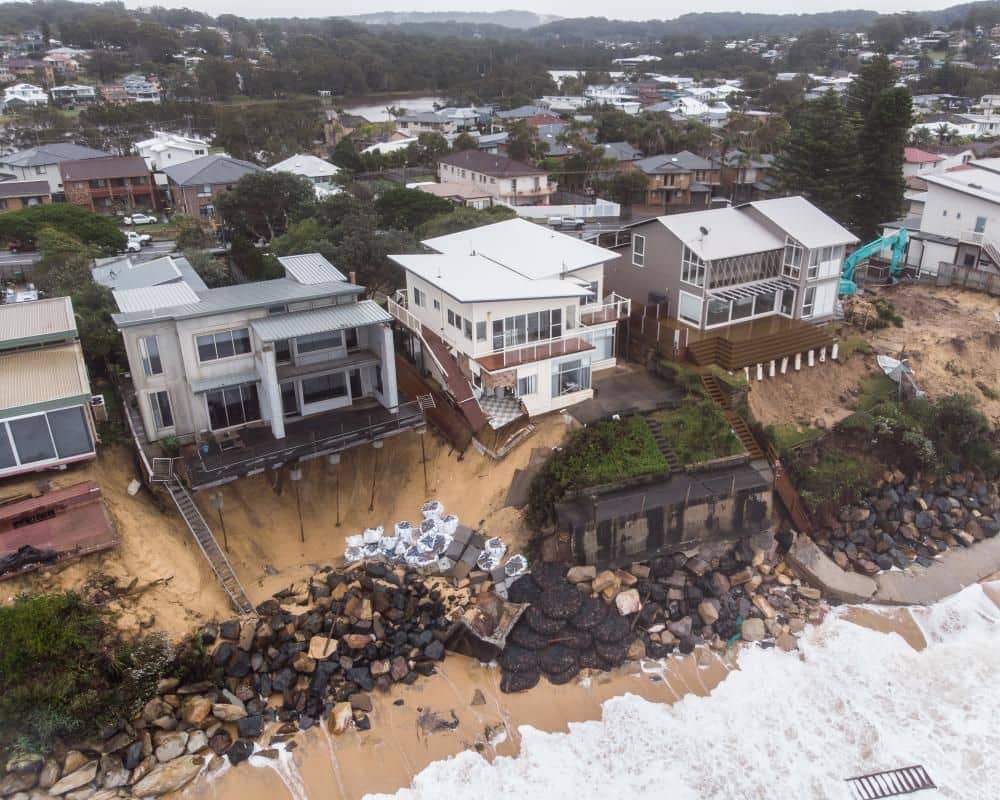
While the report admits to uncertainty, it does identify specific areas where climate effects are projected to occur. The document finds that sea level rise from global heating will have the greatest effects on coastal and low-lying areas across the country. These impacts are not merely environmental; they imply significant economic consequences for infrastructure, property values, and the communities residing in these vulnerable regions, necessitating substantial adaptation and protection measures.
Beyond geographic vulnerability, the report notes several other economic sectors likely to be affected by hotter temperatures. These impacts include reduced productivity for workers, particularly in outdoor or physically demanding roles, as extreme heat makes conditions untenable. Changes in agricultural crop yields are also projected, stemming from altered rainfall patterns, increased drought frequency, and new pest pressures, which could threaten food security and export revenues. Furthermore, damage to the tourism industry is anticipated, as natural attractions are degraded or extreme weather events deter visitors. The document frames these as direct consequences of rising global temperatures that will influence daily life and economic output in the coming decades.
Natural Disasters as a Significant Economic Threat
A central finding of the report is that increasingly frequent and severe natural disasters will pose a significant economic risk over the next 40 years. This projection serves as a primary basis for the criticism leveled by experts, who argue that the financial implications of these disasters – including the costs of emergency response, recovery, rebuilding infrastructure, and long-term community support – are not sufficiently integrated into the broader intergenerational outlook. The escalating frequency and intensity of events like bushfires, floods, and storms represent a growing fiscal burden that, according to critics, the report's framework does not adequately address.
The juxtaposition of the report's claim regarding “highly uncertain” effects with its identification of specific, severe economic risks has fueled the debate. Critics maintain that even if the exact timing or pace of the global energy transition remains unpredictable, the direction of travel toward higher costs for coastal infrastructure, agricultural output, and disaster recovery is clear. They argue that this clarity of direction should necessitate a more comprehensive and quantified assessment of climate-related economic damage, rather than framing it predominantly within the realm of uncertainty.
Understating Long-Term Financial Vulnerabilities
The government’s projection to 2066 aims to provide a long-term view of Australia's fiscal health, offering a comprehensive look at demographic, economic, and social trends over four decades. However, the inclusion of climate-related economic damage as a variable with high uncertainty, despite acknowledging its severity, has led to accusations that the snapshot of life in 40 years is fundamentally incomplete. Experts emphasize that ignoring the full cost of the climate crisis when discussing these long-term risks leaves a critical gap in understanding the nation's future financial stability.