

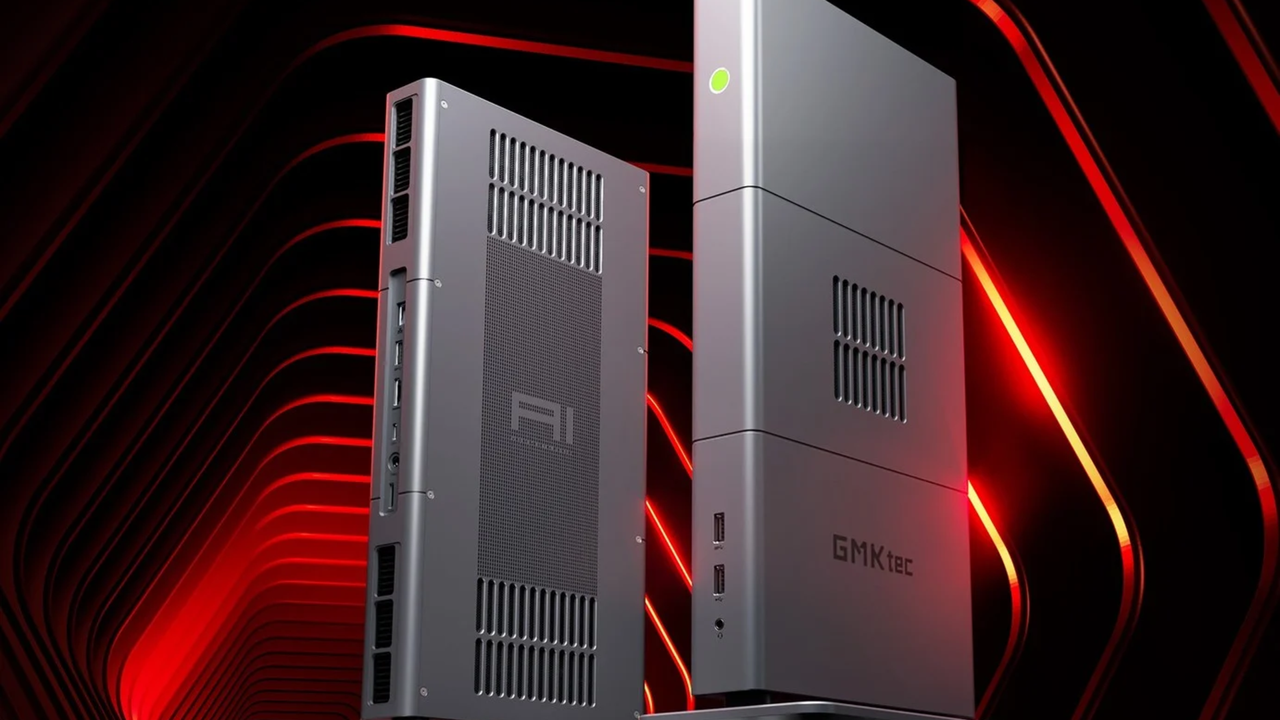


GMKTec Launches High-Cost Workstation with New Form Factor
\nTech manufacturer GMKtec has officially launched a new mini PC unit priced at $3,600. This specific model represents a redesign of the company's existing Strix Halo workstation line. The product announcement highlights significant changes to the hardware architecture and physical design compared to previous iterations in the series.
\nThe device incorporates an AMD Ryzen AI Max+ 395 CPU into its internal configuration. According to reports, GMKtec has taken steps to recycle this specific processor for use within their new mini PC offering. The inclusion of this central processing unit places the machine in a category focused on advanced computing capabilities.
\nIn addition to standard hardware components, the workstation includes what is described as a proprietary OpenClaw agent. This software component appears integrated into the system's operational framework alongside the Ryzen AI Max+ 395 CPU. The presence of this specific agent suggests a focus on localized intelligence or automated task management within the device.
\nThe physical presentation of the new unit differs markedly from traditional mini PC definitions. GMKtec describes the design as a towering skyscraper form factor. This terminology implies that while classified technically as a mini PC, the chassis dimensions resemble those typically associated with full-sized tower computers rather than compact desktop units.
\n\nEngineering Shifts Toward Cooling and Memory Capacity
\nThe redesign of the Strix Halo workstation involved specific engineering decisions aimed at improving cooling performance. GMKtec stated that these modifications were implemented to enhance thermal management within the chassis. Improved cooling is often cited as a prerequisite for sustaining high-performance operations in compact or densely packed hardware environments.
\n\nFocus on Local Inference Capabilities
\nA primary objective of this redesign was to facilitate local inference tasks. The company adjusted internal layouts and component selection specifically to support these computational workloads without reliance on external cloud connectivity for processing sensitive data. This approach aligns with current trends in deploying artificial intelligence models directly on endpoint hardware.
\n\nIncreased Memory Capacities
\nThe new configuration features substantially higher memory capacities compared to earlier versions of the Strix Halo platform. GMKtec redesigned the workstation architecture to accommodate these increased storage and RAM requirements necessary for AI tasks. The specific allocation of memory allows users to run larger models or multitask more efficiently within a single chassis.
\n\nMarket Positioning and Product Classification
\nThe pricing structure places this unit at $3,600, which represents a notable increase in cost relative to standard mini PC offerings. TechRadar notes that the price nearly quadrupled during the transition from previous models or configurations. This significant jump suggests a premium positioning within the current market for high-end workstations.
\nGMKtec turned its AI-focused mini PC into a tower design, altering consumer expectations regarding form factor and portability. The decision to adopt a skyscraper aesthetic while maintaining the 'mini' designation creates a distinct product category that blends desktop power with specific branding conventions.
\n\nPublisher Analysis of Technical Specifications
\nAccording to TechRadar, the new device is marketed as an AI mini PC despite its tower-like physical dimensions. The publisher highlights the recycling of the Ryzen AI Max+ 395 CPU as a key component in this launch strategy. This reuse indicates that GMKtec has sourced or manufactured these processors for multiple product lines within their portfolio.
\n\nComparative Hardware Context
\nThe integration of the OpenClaw agent distinguishes this unit from competitors offering similar Ryzen-based hardware. While other manufacturers may offer comparable CPU specifications, the inclusion of a proprietary software layer adds a unique variable to the product's value proposition. This differentiation targets users seeking specific automation or AI assistance tools directly built into their operating environment.
\nThe skyscraper form factor presents both aesthetic and practical considerations for potential buyers. Users interested in maximizing vertical space utilization may find this design appealing, whereas those prioritizing compact footprints might view the tower style as a deviation from standard mini PC norms. The trade-off between cooling efficiency and physical size is central to GMKtec's engineering choices.
\nGMKtec has not released additional details regarding specific memory speeds or exact RAM configurations beyond noting they are substantially higher than previous models. Similarly, precise wattage ratings for the Ryzen AI Max+ 395 CPU remain unconfirmed in available source material outside of its model designation.
\n\nIndustry Trends and Product Strategy
\nThe launch coincides with broader industry interest in local inference capabilities within consumer workstations. By focusing on these features, GMKtec positions the Strix Halo redesign to meet demands for privacy-focused computing solutions. The ability to process data locally reduces latency associated with cloud round-trips while mitigating concerns over data transmission security.
\nThe $3,600 price point reflects the cost of implementing advanced cooling systems and high-capacity memory modules. These components contribute significantly to the final retail value. GMKtec's strategy suggests that performance enhancements justify a premium pricing structure in the current market landscape for professional-grade desktop computers.
"