


Market Reaction to Diplomatic Developments
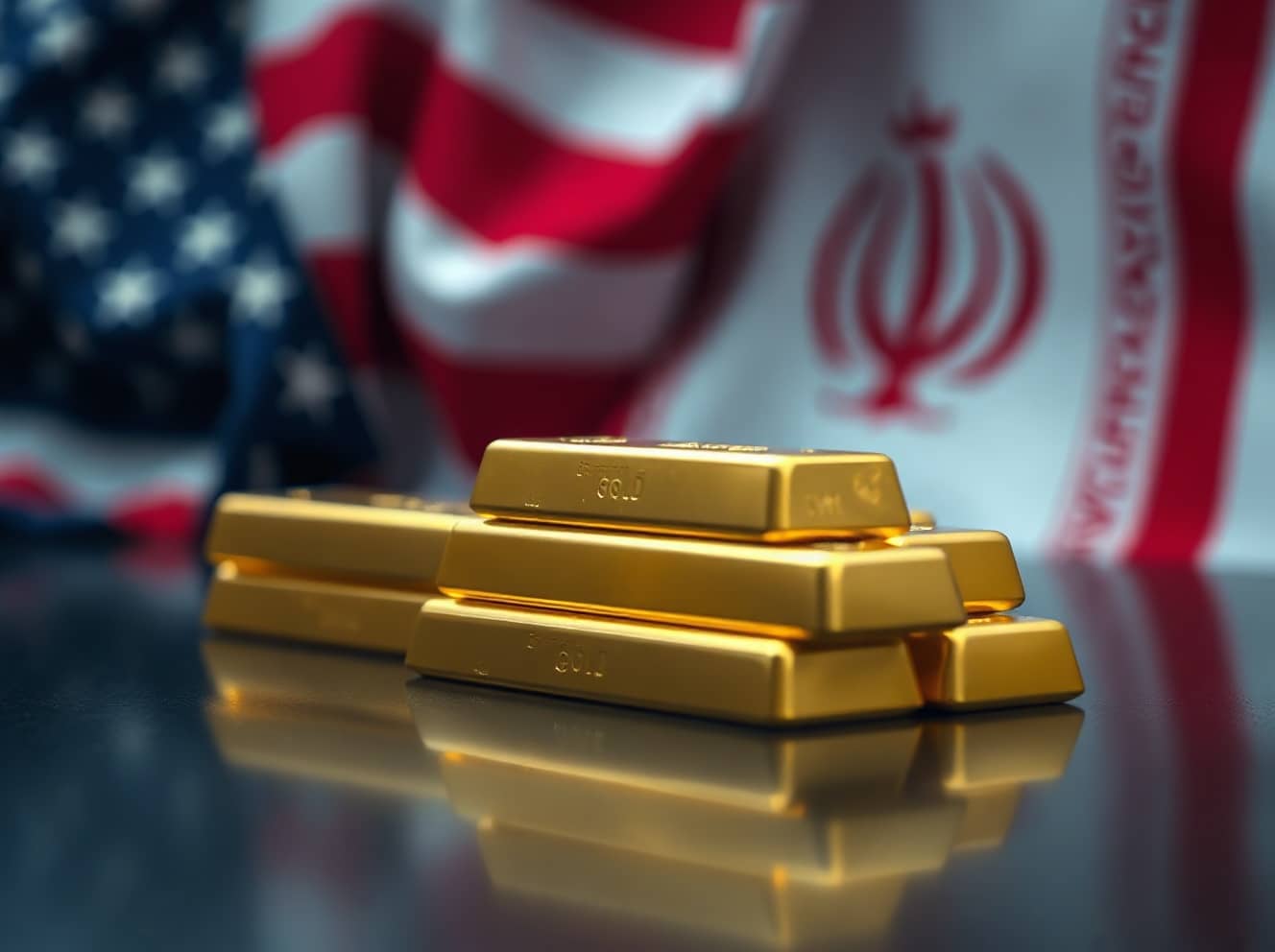
Gold prices declined on Tuesday, dropping below the $4,100 per ounce mark as financial markets adjusted to shifting geopolitical dynamics. The retreat in precious metal values coincides with increased investor focus on ongoing diplomatic talks between the United States and Iran. This shift in attention has tempered the demand for gold as a safe-haven asset, which typically surges during periods of heightened international tension.
According to market data from the latest trading session, spot gold was trading at approximately $4,085 per ounce. This figure represents a decrease of about 0.4% from previous levels. The price movement reflects a broader recalibration by traders who are weighing the potential outcomes of the negotiations over immediate geopolitical risks.
Market observers note that the decline in gold prices is linked to a sense of cautious optimism regarding the possibility that the diplomatic efforts could lead to a de-escalation of tensions in the Middle East. As the perceived risk of conflict diminishes, the urgency for investors to hold safe-haven assets like gold has correspondingly decreased.
Recent Price Trajectory and Record Highs
The current dip comes after a period of significant upward momentum for the precious metal. In previous weeks, gold prices had rallied sharply, surpassing the $4,100 level for the first time in history. This earlier surge was driven by two primary factors identified in market reports: heightened geopolitical uncertainty and expectations of further monetary policy easing by major central banks.
The record highs reached just prior to this decline highlighted the metal's role as a hedge against both political instability and potential shifts in interest rates. However, the recent retreat from these peaks illustrates the sensitivity of gold markets to diplomatic developments. The price action suggests that investors are willing to reduce their exposure to safe-haven assets if there is credible progress toward resolving regional conflicts.
Factors Influencing Safe-Haven Demand
The reduction in safe-haven demand for gold is directly attributed to the focus on US-Iran diplomatic talks. When geopolitical risks are perceived as high, capital flows into gold as a store of value. Conversely, when there is progress in negotiations, that specific risk premium often evaporates.
Analysts point out that the market's reaction is not necessarily a loss of confidence in gold as an asset class, but rather a reallocation of capital based on changing risk assessments. The 0.4% drop to $4,085 per ounce indicates a moderate adjustment rather than a panic sell-off, consistent with the narrative of cautious optimism surrounding the diplomatic front.
Implications for Future Trading
The interplay between geopolitical news and commodity prices remains a critical driver of market volatility. The current trading environment demonstrates how quickly safe-haven premiums can be removed when diplomatic channels are active. Investors are now monitoring the progress of the US-Iran talks closely to determine if this trend of reduced gold demand will persist or reverse should negotiations stall.
The previous record-breaking rally above $4,100 serves as a benchmark for future price action. If geopolitical tensions escalate again, gold prices could rapidly return to those levels. However, for now, the prevailing sentiment is one of relief regarding the diplomatic efforts, which has suppressed the immediate need for safe-haven holdings.
Market participants are also watching broader economic indicators alongside these geopolitical developments. Expectations of monetary policy easing by major central banks continue to underpin the long-term outlook for gold, even as short-term price movements are dictated by news flows from the Middle East. The current price of $4,085 per ounce stands in contrast to the recent historical highs, marking a distinct pause in the metal's upward trajectory.