


Trade Talks Near Completion Amid Global Uncertainty
New Delhi — External Affairs Minister S Jaishankar stated at the NDTV World Summit in New Delhi on Friday that India and the United States are moving toward finalizing a bilateral trade deal, while cautioning that remaining negotiation stages could present challenges.
Jaishankar quoted US Secretary of State Marco Rubio and Commerce Minister Piyush Goyal as indicating the agreement was nearing completion. He added his own sentiment regarding the process: "It's never done till it's done." This remark underscores the persistent caution surrounding high-level diplomatic agreements, even when progress appears imminent.
The minister noted that while negotiating teams are working through outstanding issues, he declined to disclose specific unresolved matters. By withholding details on the sticking points, Jaishankar maintained a strategic ambiguity typical of late-stage trade negotiations, where premature disclosure can complicate final compromises.
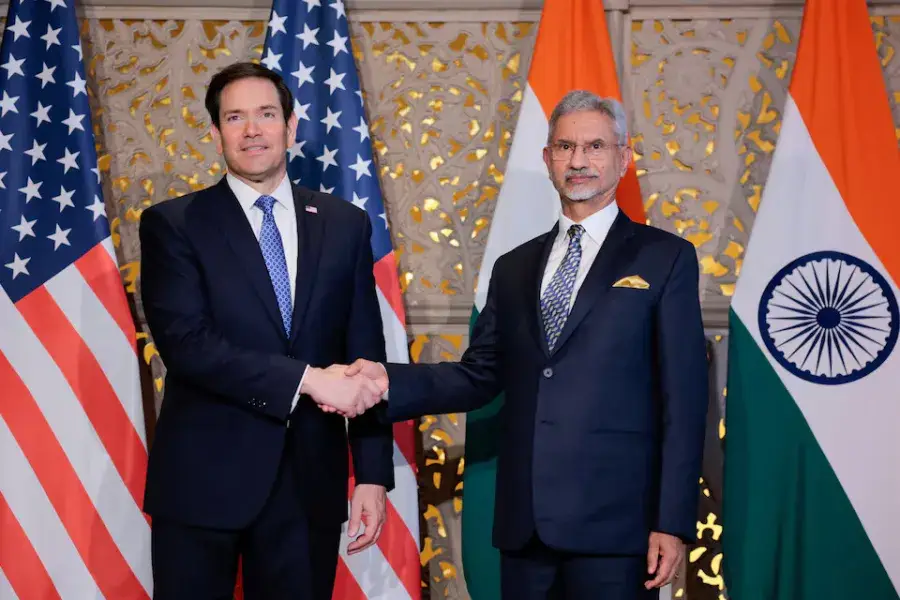
US President Donald Trump described the agreement as "pretty close," according to reports. Rubio stated earlier in the week that the two countries were "about as close as you can be without having an executed agreement" following discussions with Jaishankar in Mumbai. These overlapping signals from both Washington and New Delhi suggest a coordinated effort to manage market expectations while finalizing complex legal texts.
Negotiation Scope and Historical Context
India and the US have been negotiating a bilateral trade arrangement for more than a year. The talks cover market access, tariffs, agricultural commodities, industrial goods, and regulatory barriers. This extensive scope reflects the depth of economic integration required to satisfy both nations' domestic political constituencies, particularly regarding sensitive sectors like agriculture and manufacturing.
Jaishankar stressed the importance of diversifying trade and energy partnerships amid global uncertainty. He stated that countries can no longer take stability in trade, energy, and geopolitics for granted due to an increasingly turbulent world. This broader strategic framing positions the bilateral deal not merely as a commercial transaction, but as a component of India's wider effort to secure economic resilience against volatile global conditions.