

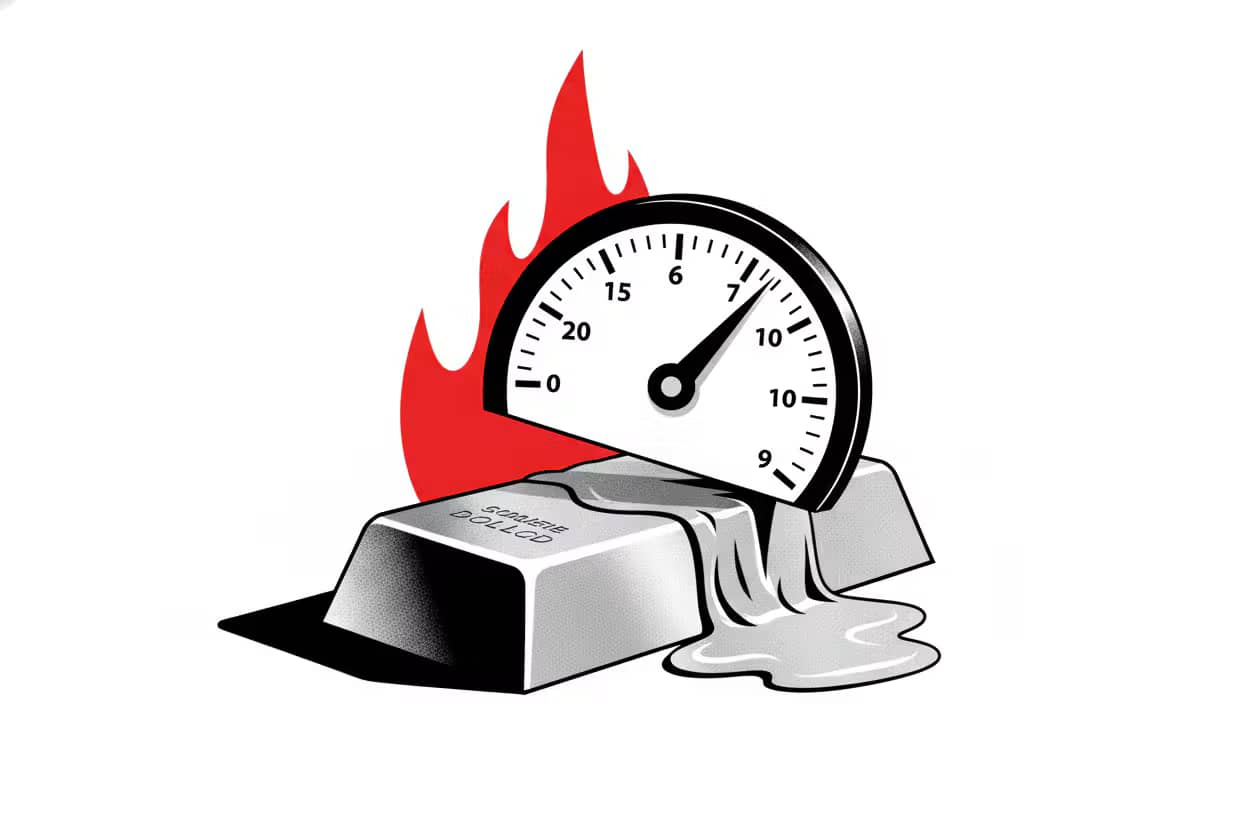

Spot Gold Declines Amid Rising Oil Costs
Spot gold prices fell 0.3% to $4,044.54 an ounce on Wednesday, according to market data reported by Finimize. The decline in precious metal values coincided with a rise in energy costs and growing anticipation regarding United States monetary policy.
The drop in gold occurred as oil prices increased by more than 1%. This surge in crude markets followed reports of a refinery attack in Saudi Arabia, which introduced supply concerns into the global energy sector. Gold often weakens when investors anticipate that interest rates may remain elevated for an extended period. Unlike bonds or cash holdings, gold does not generate interest payments, meaning higher interest rates increase the opportunity cost of holding the commodity.
Federal Reserve Decision and Inflation Data Loom
Market participants are currently focused on the Federal Reserve’s upcoming rate decision. The central bank is expected to maintain its benchmark interest rate steady within the 3.75% to 4.00% range.
Despite expectations for a hold, futures markets indicated significant probability of future tightening. According to CME Group’s FedWatch Tool, there was an 84% implied chance of an interest rate hike in December. Gold prices were tracking these odds closely as traders assessed the likelihood of continued monetary restraint.
The connection between energy prices and inflation expectations remains a critical factor for investors. Rising oil costs can seep into broader inflation metrics, potentially complicating the Federal Reserve’s ability to declare victory over price increases, even if the initial trigger is geopolitical supply risk rather than domestic demand.
Focus Shifts to PCE Inflation Report
Attention is now turning to Thursday’s personal consumption expenditures (PCE) inflation data. Investors utilize this report to update their expectations for future interest rates, the strength of the US dollar, and Treasury yields.
When rate expectations rise, Treasury yields can climb faster than inflation expectations. This dynamic lifts real yields, which represent the inflation-adjusted return investors can earn in safer assets. Higher real yields typically exert downward pressure on non-yielding assets like gold.
The Federal Reserve’s subsequent statement and press conference will also be scrutinized for clues regarding the path of future policy. The interplay between the oil price spike, the upcoming PCE data, and the December rate hike odds continues to define the current trading environment for precious metals.