

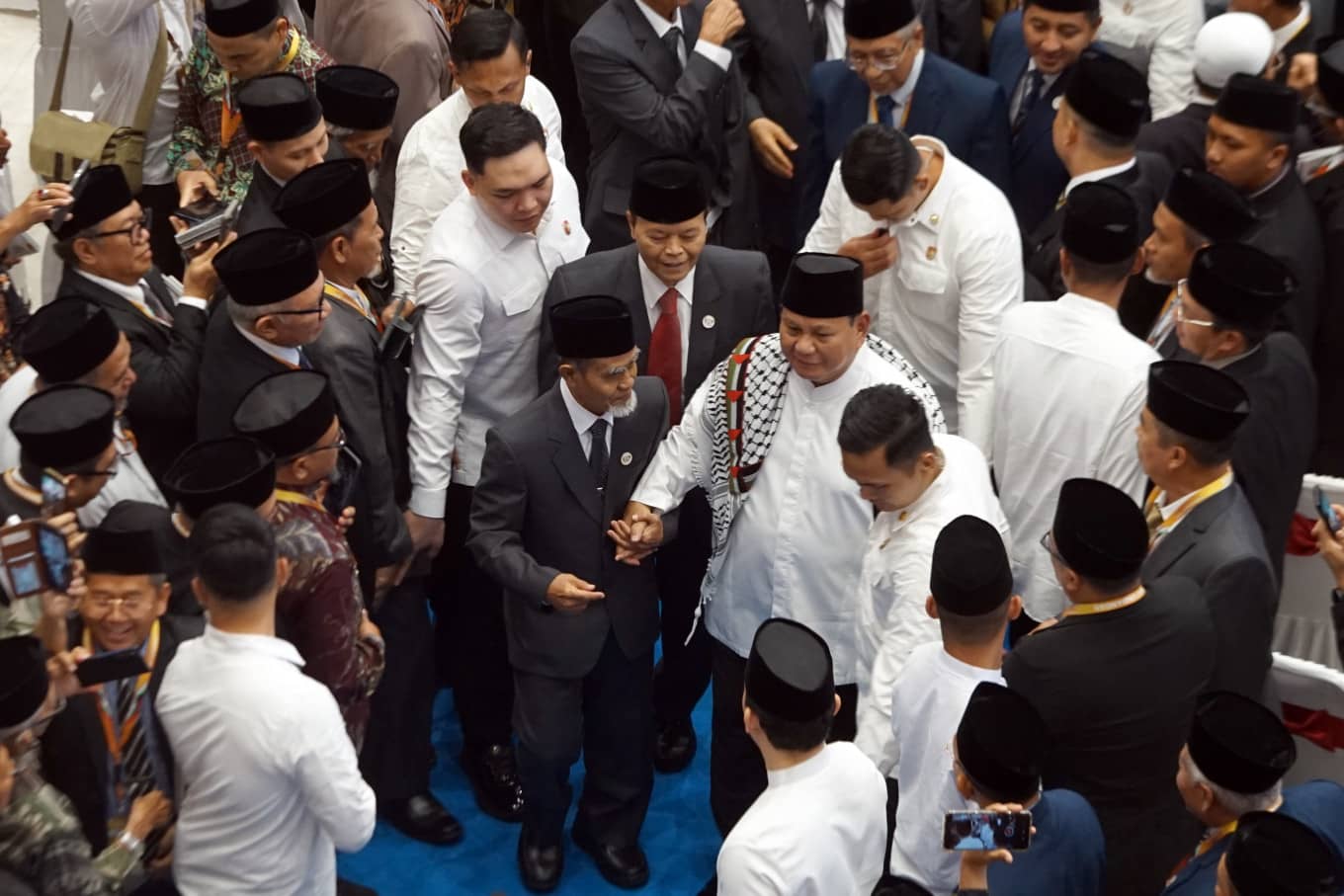

Leadership Clarifies Institutional Stance on Governance
Hasan Abdullah Sahal, the leader of the renowned Gontor Islamic boarding school (pesantren), has issued a series of remarks intended to clarify the institution's relationship with political entities. The comments, described by observers as blunt and stark, serve to underscore the organization's deliberate distance from active political participation.
Sahal’s statements highlight a continued effort by the pesantren to maintain its operational independence. By characterizing his own words as stark, the leadership signals a firm boundary between the educational institution and political movements or government bodies that may seek alignment with it.
Defining the Scope of Autonomy
The Gontor Islamic boarding school is widely recognized within Indonesia for its extensive network and influence. Despite this prominence, Sahal has sought to delineate the specific role of the institution in the broader national landscape. His remarks focus on the concept of political autonomy, ensuring that the pesantren is not viewed as an extension of any particular political party or government agenda.
According to reports from The Jakarta Post, the leader’s comments were designed to address potential misconceptions about the school's affiliations. The publication noted that the remarks were made in the context of highlighting 'pesantren' political independence. This distinction is critical for an institution that educates thousands of students and influences social norms across the archipelago.
Implications for the Pesantren Network
The emphasis on distance from politics carries specific implications for the broader network of Islamic boarding schools in Indonesia. Many pesantren operate with varying degrees of engagement in local and national politics. Sahal’s stance positions Gontor as an outlier or a distinct model within this ecosystem, prioritizing educational and religious objectives over political capital.
By maintaining this separation, the leadership aims to preserve the institution's credibility among diverse demographic groups. Political neutrality allows the pesantren to serve students from various political backgrounds without alienating any segment of its community. Sahal’s blunt delivery suggests that previous interactions or public perceptions may have blurred these lines, necessitating a clear and unambiguous correction.
Historical Precedents and Current Policy
The Gontor pesantren has historically maintained a unique identity within Indonesian Islamic education. Its curriculum and administrative structure are designed to foster leadership qualities that are often independent of traditional political patronage systems. Sahal’s recent comments reinforce this historical precedent, aligning current policy with the institution's long-standing traditions.
The Jakarta Post article titled "Gontor leader’s blunt remarks highlight ‘pesantren’ political independence" provides the primary context for these statements. The report indicates that the leader’s words were not merely casual observations but a strategic communication effort to define the institution's boundaries. The use of terms like "blunt" and "stark" in media coverage reflects the seriousness with which the leadership views this issue.
Observers note that such declarations are significant in a political environment where religious institutions often play active roles in civic engagement. Sahal’s insistence on distance suggests a desire to protect the pesantren from being drawn into partisan conflicts or government controversies. This approach allows the institution to focus on its core mission of education and religious instruction without external political pressures.
Public Reception and Institutional Identity
The reaction to Sahal’s comments has been framed around the theme of independence. The remarks have reinforced the perception of Gontor as an autonomous entity that operates according to its own internal governance structures rather than external political directives. This autonomy is a key component of the institution's brand and appeal to families who value educational stability over political volatility.
The leadership’s decision to make these comments public indicates a proactive approach to managing the pesantren’s image. By addressing the issue directly, Sahal prevents speculation from filling the void left by silence. The stark nature of the remarks ensures that there is little room for misinterpretation regarding the institution's stance.
As Indonesia continues to navigate its political landscape, the Gontor pesantren’s position remains a point of interest for analysts and educators alike. Sahal’s comments provide a clear data point in understanding how major religious institutions choose to engage—or disengage—with the state. The emphasis on independence serves as a guiding principle for the institution’s future interactions with political actors.
The Jakarta Post’s coverage underscores the relevance of this issue in contemporary Indonesian society. The article links Sahal’s remarks to the broader concept of pesantren autonomy, suggesting that Gontor’s model may serve as a reference for other institutions seeking similar clarity. The blunt tone adopted by the leader reflects the urgency of maintaining this distinction in a complex political environment.
Ultimately, the statements from Hasan Abdullah Sahal define the current operational reality of the Gontor Islamic boarding school. The institution remains distinct from political spheres, adhering to its educational mandate while maintaining strict boundaries regarding political affiliation. This position is communicated clearly and without ambiguity, ensuring that the pesantren’s independence is understood by all stakeholders.