

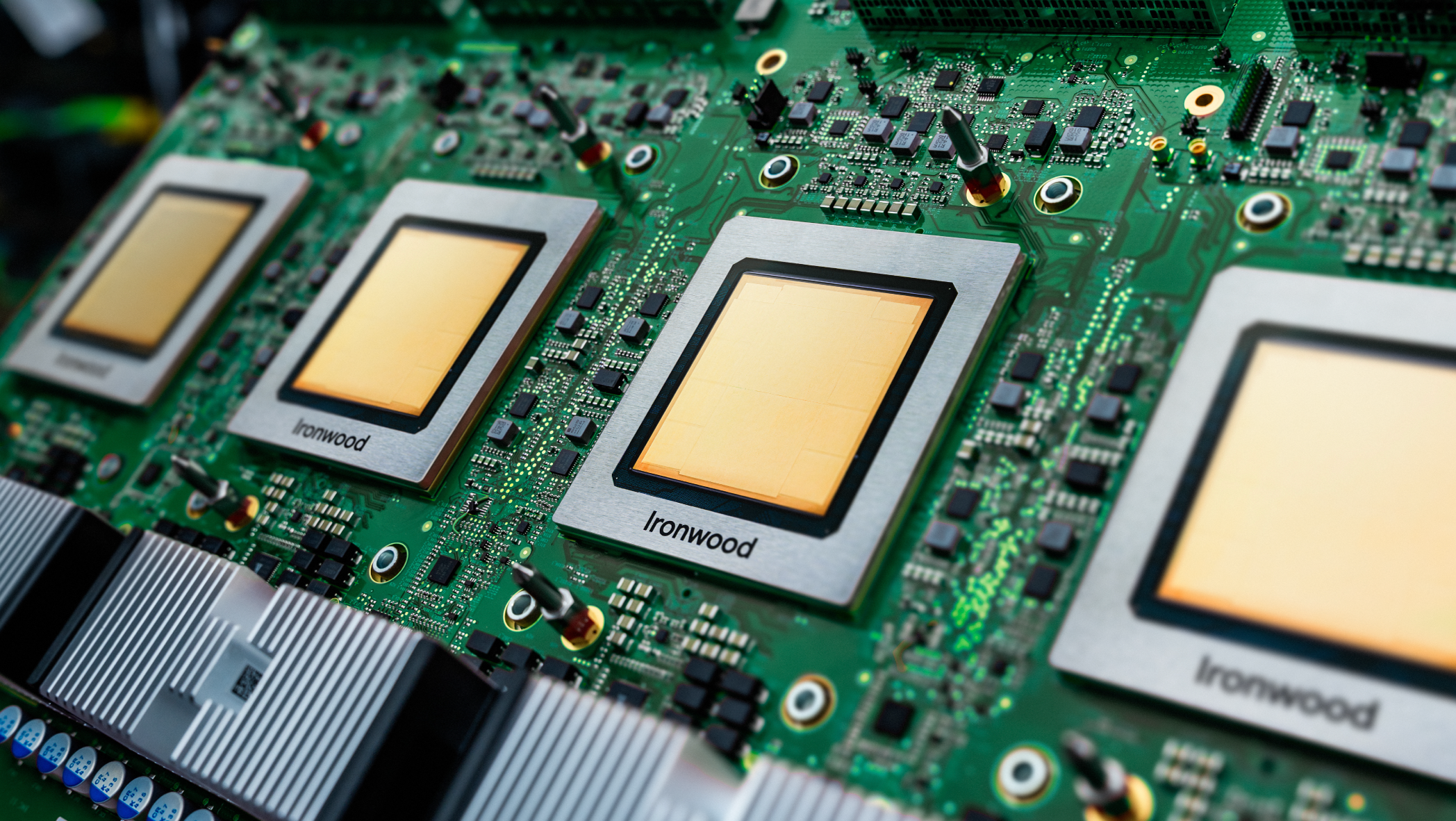

Projected Surge in Custom Silicon Shipments
Alphabet Inc. is preparing for a substantial increase in the production of its proprietary hardware, with new industry forecasts suggesting that shipments of its Tensor Processing Units (TPUs) will more than triple over the next three years. According to a recent build from GF Securities Brokerage, TPU shipment volumes are projected to reach approximately 8.8 million units by 2027. This figure represents a significant expansion from an estimated 2.76 million units shipped in 2024.
The forecast highlights a strategic pivot in which the technology giant is increasingly relying on custom silicon chips for its cloud computing infrastructure. The company has moved from quietly designing these AI-specific processors to openly staking its broader cloud roadmap on their deployment. This scale-up is attributed primarily to the ongoing development and subsequent deployment of new generations of Google's custom AI chips.
Market observers note that this trajectory would reshape how investors view the artificial intelligence compute stack. The projected growth indicates a heavy internal investment in proprietary hardware rather than reliance on third-party semiconductor manufacturers for core cloud services. The timeline for this ramp-up extends through 2027, marking a multi-year commitment to expanding TPU capacity.
Cloud Backlog and AI Model Validation
The push toward increased TPU production is underpinned by metrics from Google Cloud, which has reported a backlog of $514 billion. This figure serves as an indicator of the demand for cloud computing resources that require high-performance processing capabilities. The company's Gemini artificial intelligence model further validates this investment in custom silicon, with data showing that the model now processes 22 billion API tokens per minute.
These operational metrics suggest a validation of the company's long-term bet on custom hardware. The volume of API tokens processed by Gemini demonstrates the computational intensity required for current AI workloads, providing a factual basis for the projected increase in TPU units. The $514 billion backlog reflects customer demand that necessitates this specific type of processing power.
Market Context and Investor Perspectives
The forecast comes amidst broader market discussions regarding AI infrastructure investments. While Google advances its custom chip strategy, other market participants face different challenges. Recent reports indicate volatility in the semiconductor sector, with stocks such as D-Wave sinking 8% following the retirement of its chief financial officer, and Rigetti sliding 5%. IonQ also experienced a 3% decline during the same period.
Analyst perspectives on Google's hardware strategy vary. Rich Duprey, writing for 24/7 Wall St., noted that the company is "quietly betting its entire cloud future" on chips that many investors may not be familiar with. The publication highlighted the contrast between Google's internal TPU development and external market trends.
Meanwhile, other financial analysts have focused on different aspects of the AI market. One analyst who previously identified NVIDIA as a top stock in 2010 recently named his top 10 AI stocks, with reports indicating that Google did not make that specific list. This divergence highlights differing views on which companies are best positioned to capitalize on the current AI compute demand.
Strategic Implications for Cloud Infrastructure
The projected tripling of TPU shipments aligns with Alphabet's broader goal of controlling its hardware supply chain for cloud services. By developing new generations of custom chips, the company aims to optimize performance and efficiency for its Gemini models and other AI workloads. The 8.8 million unit target by 2027 requires significant manufacturing coordination and capital expenditure.
The $514 billion cloud backlog provides a quantifiable measure of the demand driving this hardware expansion. As customers migrate to Google Cloud for AI processing, the need for specialized silicon becomes critical. The processing of 22 billion API tokens per minute by Gemini illustrates the scale of operations that the TPU fleet must support.
Forecasts from GF Securities Brokerage suggest that the current shipment levels of 2.76 million units in 2024 are merely the baseline for a much larger rollout. The company's strategy involves scaling up production to meet the requirements of its growing cloud customer base and internal AI development needs. This approach distinguishes Google's infrastructure model from competitors who may rely more heavily on standard off-the-shelf processors.