

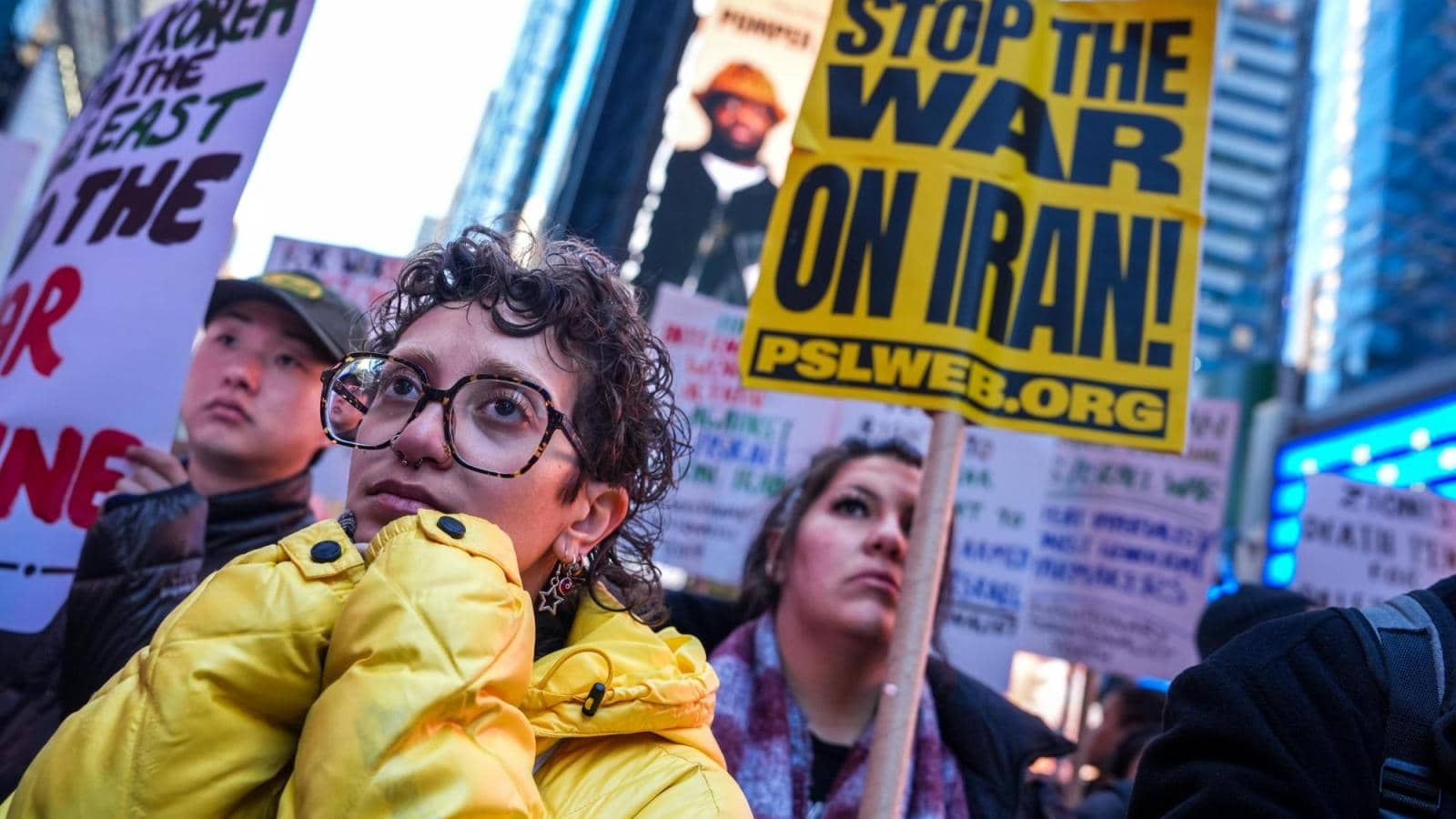

Public Sentiment Shifts as Conflict Drags On
Republicans are confronting a significant electoral challenge in the upcoming midterm elections as the ongoing military conflict with Iran extends well beyond the timeline initially promised by President Donald Trump. The prolonged nature of the engagement has coincided with a marked decline in public support for the war, according to recent polling data released this week.
A poll conducted in August 2026 found that approximately two-thirds of U.S. adults believe the war with Iran has not been worth fighting. This statistic highlights a growing disconnect between the administration's military objectives and the views of the American electorate, a dynamic that political analysts suggest could heavily influence voter behavior in November.
The data indicates that the conflict has dragged on for months longer than the timeframe outlined by President Trump when hostilities began. While specific dates for the original promise were not detailed in the polling summary, the duration of the war has become a central point of contention in political discourse. The discrepancy between the promised timeline and the current reality has fueled skepticism among voters regarding the administration's strategic planning.
Economic Ripple Effects Influence Electoral Outlook
The unpopularity of the war is compounded by its economic consequences, which are beginning to ripple through various sectors of the U.S. economy. These financial impacts are expected to play a critical role in determining the outcomes of midterm elections, particularly in races that are closely contested.
Political observers note that the economic strain associated with prolonged military engagement often translates into voter dissatisfaction with the party in power. In this case, Republicans face the prospect of losing ground in Congress as voters react to both the duration of the war and its financial toll on households and businesses.
The potential for these economic factors to tilt the scales in tightly contested races suggests that the midterm election could serve as a direct referendum on the handling of the Iran conflict. Incumbent Republican lawmakers in swing districts may find themselves vulnerable to opponents who capitalize on public fatigue regarding the war's cost and duration.
Supporters Remain Undeterred Amidst Criticism
Despite the negative polling numbers and economic concerns, supporters of President Trump remain undeterred by the criticism. The president's base continues to defend the administration's actions in Iran, arguing that the military engagement is necessary for national security interests.
This steadfast support from the president's core constituency contrasts sharply with the broader public sentiment captured in the poll. While a majority of Americans question the value of the war, Trump's supporters maintain their confidence in the leadership's approach to foreign policy.
Political Implications for the Midterm Cycle
The combination of extended conflict duration and widespread public disapproval creates a complex environment for Republican candidates. The midterm elections are traditionally viewed as a barometer for presidential approval, and the Iran war has emerged as a defining issue of this cycle.
As the war continues to extend beyond Trump's original timeline, the political capital for Republicans appears to be eroding among independent and undecided voters. The polling data serves as an early warning sign for party strategists, who must now address voter concerns about the war's efficacy and cost.
The outcome of the midterms will likely hinge on how effectively Republican candidates can navigate these challenges. Those who attempt to distance themselves from the administration's handling of the conflict may find some success, while those who align closely with Trump's narrative risk alienating voters who are increasingly skeptical of the war's worth.
With the election approaching, the focus remains on whether the Republican Party can mitigate the damage caused by the prolonged Iran conflict. The poll results suggest that the path to victory will require addressing the specific concerns of Americans who feel the war has not been worth fighting, a sentiment that currently holds sway over two-thirds of the adult population.