


Convening in Dallas Amid Transition Talks
Republican leaders gathered in Dallas for a convention that has become a focal point for discussions regarding the party's future leadership. The event took place against the backdrop of an impending political transition, with attendees actively debating who might succeed President Donald Trump. As the current administration approaches its scheduled conclusion, the gathering served as a venue for strategizing and identifying potential figures to guide the Republican Party in the post-Trump era.
The convention highlighted the growing urgency within the party to establish a clear path forward. While the primary focus of the event included immediate electoral strategies, the underlying theme revolved around the selection of a new standard-bearer. Attendees used the platform to evaluate various prominent figures who have been mentioned as potential successors in internal conversations.
Names Emerging as Potential Successors
During the convention, several high-profile Republican names were cited as possibilities for leading the party after Trump's departure from office. According to reports from the event, the discussion included speculation surrounding J.D. Vance, Marco Rubio, Ron DeSantis, and Ted Cruz. These individuals have been identified by attendees as key figures in the ongoing debate over the party's next chapter.
Vance Takes Center Stage
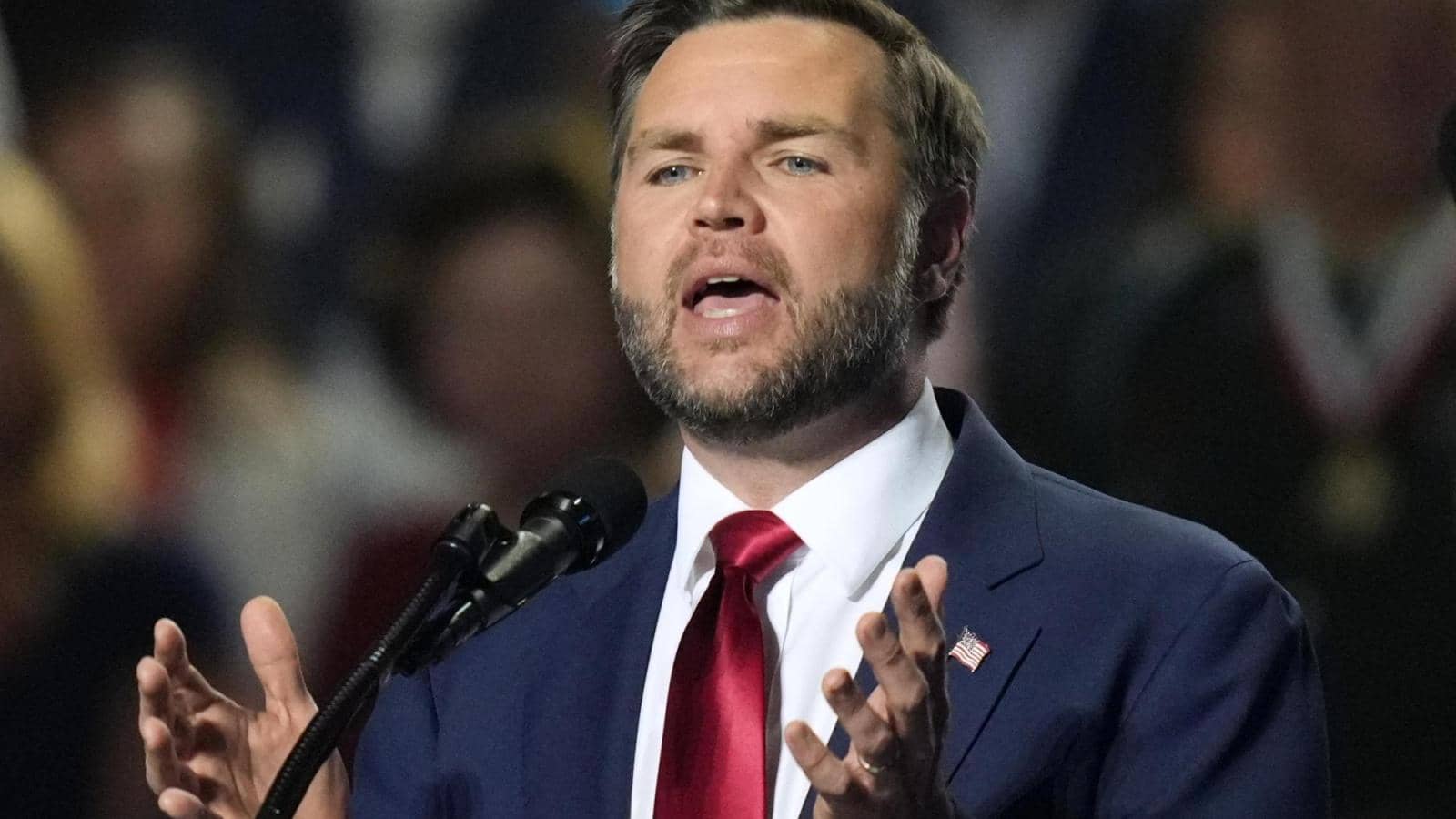
J.D. Vance was notably prominent during the proceedings. On Thursday night, Vance appeared alongside President Trump at a rally designed to encourage Republican turnout for the upcoming fall elections. This joint appearance was framed by organizers as a critical moment to signal support for the current administration's final push while simultaneously acknowledging the looming end of Trump's time in the White House.
Vance's presence at this specific event drew attention from convention attendees who are tracking his trajectory as a potential successor. His visibility alongside the president has fueled speculation about his role in the party's future, with some observers noting that such high-profile alignments often precede significant political shifts. However, the direct implications of this appearance for the succession debate remain a subject of discussion among those present.
Other Figures in the Conversation
Beyond Vance, the convention floor saw active discourse regarding other potential candidates. Marco Rubio was mentioned as one of the names under consideration by party members looking toward the 2028 election cycle. Similarly, former Florida Governor Ron DeSantis and Senator Ted Cruz were cited in conversations about who might step into the leadership void.
The inclusion of these specific names reflects the diverse landscape of Republican leadership ambitions. Each figure brings a different profile to the table, and their potential viability is being weighed by attendees based on various political metrics. The convention provided a space for these comparisons to be made in real-time, with delegates exchanging views on which candidate might best unify or energize the base.
Endorsement as a Deciding Factor
A significant portion of the succession debate hinges on the stance of the outgoing president. Several attendees indicated that their decision regarding who should lead the party post-Trump is directly dependent on Trump's endorsement. This reliance on presidential approval underscores the current influence Trump holds within the Republican coalition, even as his tenure nears its end.
For many Republicans at the Dallas gathering, the path to leadership is not solely determined by primary votes or internal polling but by the explicit support of the former president. This dynamic creates a unique set of conditions for potential successors, who must navigate the delicate balance of establishing their own political identity while securing the blessing of Trump.
The uncertainty surrounding this endorsement has led to cautious optimism and strategic positioning among those interested in the role. Some delegates have begun to signal their readiness to support whichever candidate Trump ultimately backs, viewing his approval as a prerequisite for electoral success in future cycles. This sentiment was echoed in various informal discussions throughout the convention, highlighting the central role Trump continues to play in shaping Republican politics.
Implications for Upcoming Elections
The discussions at the Dallas convention are not limited to long-term succession planning; they also have immediate implications for the upcoming fall elections. The rally featuring Vance and Trump was explicitly aimed at boosting turnout, with organizers emphasizing the importance of voter participation in determining the party's near-future direction.
As Republicans prepare for these critical races, the interplay between current electoral goals and long-term leadership questions remains a defining feature of the party's strategy. The convention served as a microcosm of this broader tension, with attendees balancing the need to support the current administration's final efforts while simultaneously preparing for a new era of Republican leadership.
The outcome of these internal debates will likely influence how the party presents itself in the coming years. Whether Vance, Rubio, DeSantis, Cruz, or another figure emerges as the preferred successor will depend on a combination of political maneuvering, voter sentiment, and the decisive factor of Trump's endorsement. For now, the Dallas gathering stands as a testament to the ongoing transition within the Republican Party, with leaders actively engaging in the process of defining its next phase.