

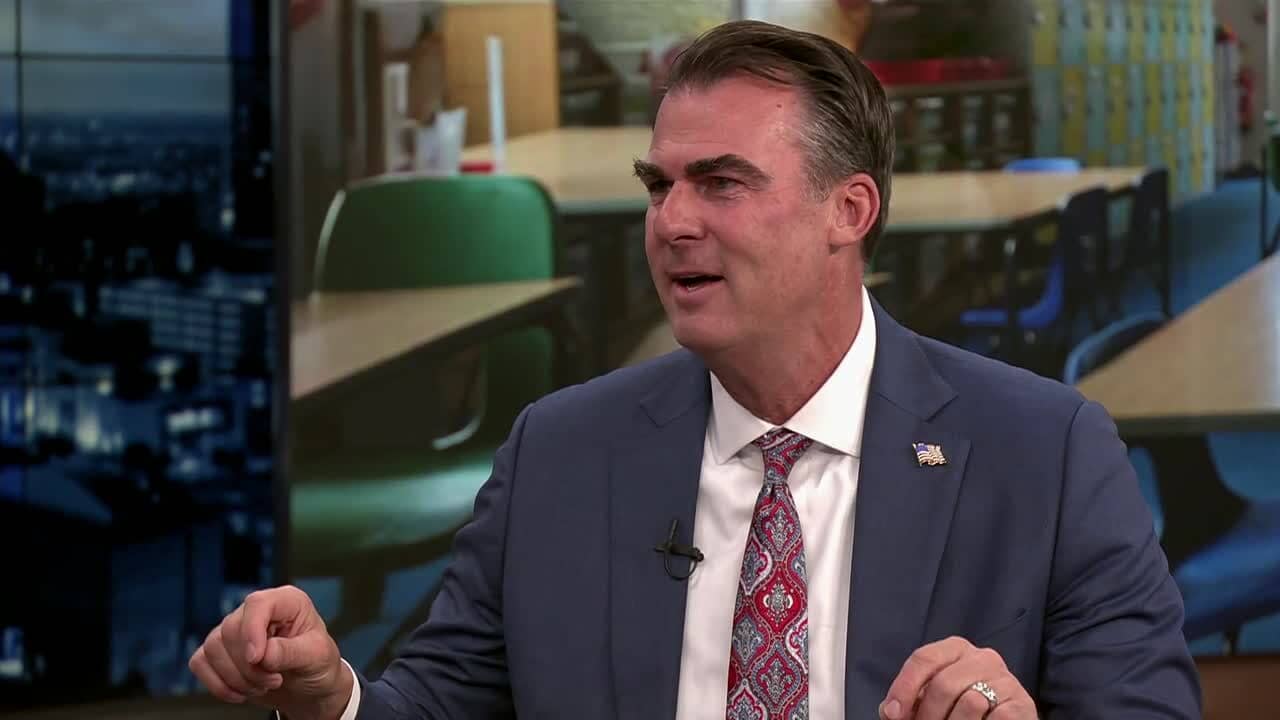

Stitt Addresses Educator Compensation and Classroom Technology
Oklahoma Governor Kevin Stitt recently outlined his administration’s position on three distinct education policy areas: teacher compensation, school choice mechanisms, and the regulation of mobile devices within school buildings. The governor’s comments covered the financial impacts of increased salaries for educators, the implementation of tax credits designed to broaden educational options for families, and the enforcement of restrictions on cellphone use by students.
The discussion regarding educator pay focused on the broader economic effects of salary increases for teachers and other school staff. Governor Stitt stated that these financial adjustments are intended to support the state’s public education workforce. The governor noted that increased salaries represent a significant component of his administration’s strategy to maintain and attract qualified personnel within the Oklahoma public school system.
In addressing the Parental Choice Tax Credit, Governor Stitt explained the framework through which families can access alternative educational pathways outside of traditional public schools. The tax credit program allows donors to contribute to scholarship-granting organizations, which then provide scholarships to students for tuition at private or religious schools. Stitt described the initiative as a mechanism to expand educational opportunities for Oklahoma families, emphasizing the flexibility it provides in selecting institutions that may better suit individual student needs.
The governor also addressed the issue of cellphone restrictions in Oklahoma classrooms. He discussed the ongoing efforts to limit student access to mobile devices during school hours. According to the governor, these restrictions are designed to minimize distractions and maintain focus on academic instruction. The administration has been working with local school districts to implement consistent policies regarding when and where students may possess and use cellphones on campus.
Impact of Teacher Pay Increases
The conversation surrounding teacher pay highlighted the state’s commitment to raising base salaries for educators. Governor Stitt indicated that recent legislative actions have resulted in tangible increases in compensation for public school teachers across Oklahoma. These raises are part of a multi-year plan aimed at aligning Oklahoma educator salaries more closely with those in neighboring states.
Stitt argued that competitive compensation is essential for retaining experienced teachers and recruiting new graduates into the profession. He stated that without adequate pay, schools face challenges in maintaining stable staffing levels and ensuring high-quality instruction. The governor’s remarks did not specify exact dollar amounts for future raises but affirmed that increasing educator pay remains a priority for his office.
Supporters of the salary increases argue that higher wages lead to better retention rates and improved student outcomes. However, critics in some districts have expressed concern about the long-term fiscal sustainability of these raises given fluctuating state revenues. The governor maintained that the investment in teacher pay is necessary for the overall health of the public education system.
Expansion of School Choice Through Tax Credits
The Parental Choice Tax Credit has become a central component of Oklahoma’s education policy under Governor Stitt. The program allows individuals and businesses to donate to scholarship-granting organizations in exchange for a tax credit against their state tax liability. These organizations then award scholarships to students, covering tuition and fees at participating private schools.
Stitt described the tax credit as a way to empower parents to make decisions about their children’s education without relying solely on government-funded institutions. He noted that the program has seen participation from thousands of families since its expansion in previous legislative sessions. The governor emphasized that the choice provided by the tax credit does not diminish public schools but rather offers an alternative for those seeking different educational environments.
Opponents of the Parental Choice Tax Credit have raised concerns about the potential diversion of resources from public school systems. Some education advocates argue that funding should remain focused on strengthening traditional public schools rather than subsidizing private institutions. Governor Stitt responded to these concerns by stating that public schools continue to receive the majority of state education funding and that the tax credit program operates as a voluntary option for families.
Regulating Cellphone Use in Schools
The issue of cellphone restrictions has gained prominence in Oklahoma schools as digital devices have become ubiquitous among students. Governor Stitt discussed the challenges educators face in managing student attention and behavior when mobile phones are present in classrooms. He supported policies that require students to store their devices in lockers, backpacks, or designated pouches during instructional time.
The governor noted that several school districts have already adopted strict cellphone bans with positive results in terms of classroom engagement and reduced disciplinary incidents. He encouraged other districts to consider similar measures, citing research from other states that suggests limiting phone access can improve academic performance and social interactions among students.
Some parents and student advocacy groups have pushed back against blanket cellphone bans, arguing that devices are necessary for communication with families and for educational purposes. They contend that restrictions may infringe on parental rights or fail to account for the technological needs of modern learning. Governor Stitt acknowledged these perspectives but maintained that the primary goal is to create a distraction-free environment conducive to learning.
As Oklahoma schools prepare for the upcoming academic year, the governor’s statements underscore his focus on balancing financial support for educators, expanding educational choice, and addressing behavioral challenges in the classroom. These three areas represent key pillars of his administration’s education agenda as it seeks to define the future of schooling in the state.