


High Court Halts Federal Mail Voting Overhaul
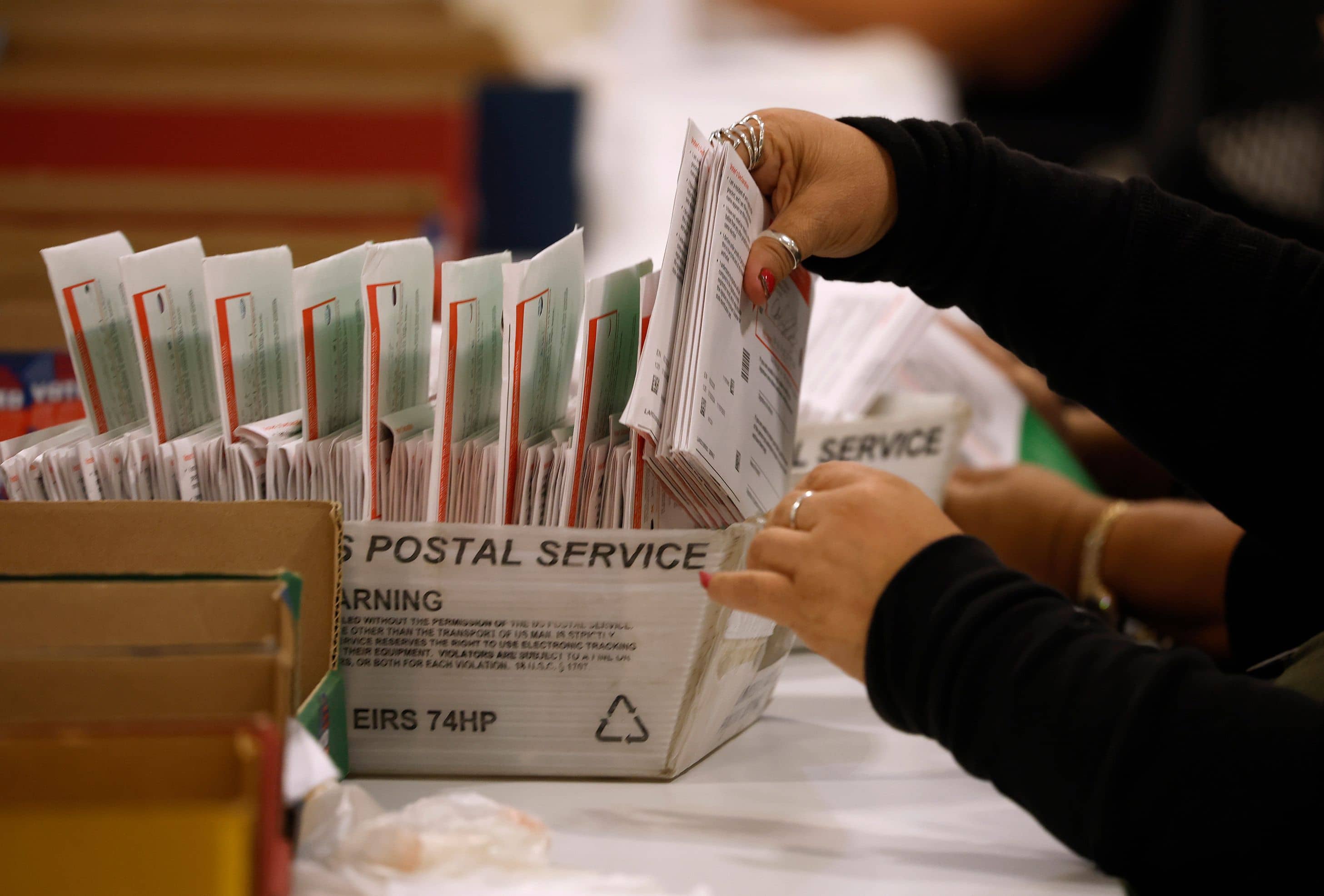
The United States Supreme Court has issued a definitive ruling that prevents the Trump administration from implementing new, sweeping restrictions on mail-in voting ahead of the upcoming midterm elections. This decision effectively bars the United States Postal Service (USPS) from enforcing a set of proposed rules that would have fundamentally altered how ballots are distributed and verified for millions of voters across the nation.
On September 14, 2026, the high court rejected the administration’s urgent bid to impose severe limitations on mail voting, a mere matter of weeks before the critical November elections. The ruling maintains a lower court’s injunction that had previously blocked the USPS from carrying out its proposed regulations. This judicial intervention ensures that the established processes for mail-in ballots will remain in place, averting a last-minute overhaul that election officials had warned could lead to widespread confusion and disruption.
Proposed Rules Challenged
The new rules, which were halted by the court, would have introduced an unprecedented layer of federal oversight into state-managed election procedures. Specifically, they would have required states to submit comprehensive lists of eligible voters to the Postal Service. Under this proposed framework, the USPS would have been tasked with confirming that ballots were sent exclusively to individuals appearing on those submitted lists, a role not typically held by the Postal Service in standard election administration. Historically, the USPS’s function in elections has been primarily logistical – delivering mail efficiently and securely – rather than verifying voter eligibility, which is traditionally a state responsibility.
This proposed shift in responsibility would have placed a significant new burden on both state election authorities and the federal postal agency, potentially creating bottlenecks and delays in the critical period leading up to Election Day. Experts and election officials had expressed grave concerns that such a drastic change, introduced so close to an election, could disenfranchise voters and undermine confidence in the electoral process.
Judicial Scrutiny of Executive Authority
The Supreme Court’s decision was reached with a 7-2 majority, highlighting a significant division among the justices regarding the scope of federal authority over election logistics, yet also demonstrating a broad consensus against the administration’s immediate attempt. The majority’s stance underscored a reluctance to permit last-minute changes to election procedures without clear statutory authority, especially when such changes could impact the fundamental right to vote. Conservative Justices Samuel Alito and Clarence Thomas dissented from the majority ruling, indicating their view that the administration’s proposed rules might have been permissible or that the injunction should have been lifted.
Kavanaugh's Concurrence Signals Future Debates
Justice Brett Kavanaugh authored a concurring opinion in which he joined Justice Ketanji Brown Jackson to uphold the lower court’s injunction. In his concurrence, Kavanaugh stated that the government was unlikely to succeed on the merits of its challenge to the District Court’s preliminary injunction. This assessment suggests that the administration had not presented a sufficiently compelling legal argument to justify overturning the lower court’s block on the new USPS rules at this stage.
However, Kavanaugh also noted that there is at least a fair prospect that the final rule falls within the Postal Service's statutory authority. This observation is crucial, as it suggests that while the immediate injunction stands and the rules cannot be implemented for the upcoming midterms, the legal debate over the USPS's power to regulate aspects of ballot distribution may continue in future proceedings. It leaves open the possibility that a more carefully crafted or legally robust set of regulations from the Postal Service could withstand judicial scrutiny down the line, provided they are introduced with sufficient time and statutory backing.
Preventing Election Disruption for Midterms
Election officials and experts across the country had indicated that the proposed restrictions could have significantly impacted voting in November’s elections. The introduction of a new layer of verification involving a federal postal agency, particularly one tasked with confirming voter eligibility, would have fundamentally disrupted established state-level election protocols and timelines. States have well-defined systems for voter registration and ballot distribution, and inserting a new federal requirement so close to an election could have led to widespread confusion among voters and administrative chaos for election administrators.
The timing of the Supreme Court’s intervention is therefore critical, occurring shortly before voters are scheduled to cast their ballots for the midterms. By upholding the injunction, the court has allowed current mail-in voting processes to proceed without the additional, federally mandated oversight that the Trump administration had sought to implement. This decision provides much-needed clarity and stability to election officials who have been preparing for the midterms under existing state laws and procedures.
The outcome ensures that states will not be required to provide eligible voter lists to the USPS for ballot confirmation in the immediate future. This preserves the existing method of mail ballot distribution, avoiding the immense administrative changes that would have been necessary under the blocked rules. It allows states to continue their established practices, minimizing the potential for voter disenfranchisement or administrative bottlenecks that could have arisen from a sudden, federal imposition of new electoral verification requirements.